In a major diplomatic development, Pakistan and Saudi Arabia have reached an agreement that could significantly change the lives of hundreds of thousands of Rohingya people. Set to take effect in early 2026, the deal aims to regularize the legal status of the Rohingya community, ending decades of uncertainty for families who originally moved from Karachi to Saudi Arabia as early as the 1960s.
The deal addresses a critical bottleneck created in 2012 when Pakistan ceased the renewal of passports for these individuals, effectively rendering them stateless in a foreign land. Under the new framework, the legal identity and residency status of these community members will be formalized, unlocking long-blocked access to essential services including healthcare, formal education, and legal employment in Saudi Arabia.
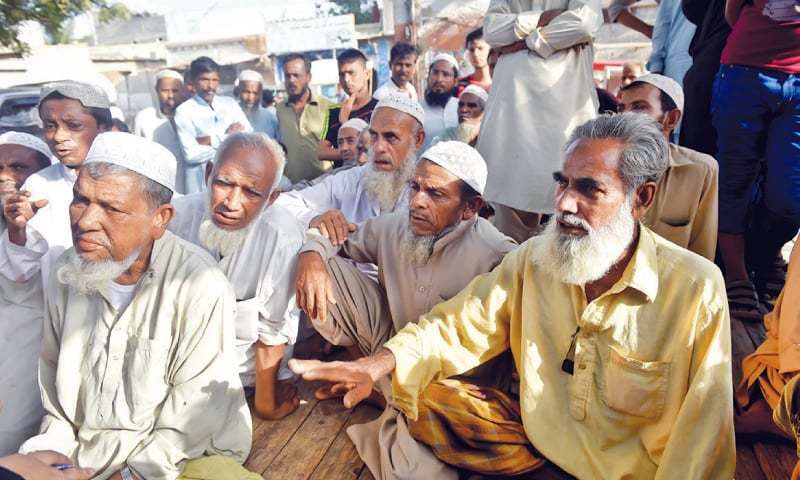
Back in Karachi, where the population of Rohingya is estimated to exceed 400,000, the atmosphere is one of cautious optimism. Settlements like Burma Colony and Arkanabad have functioned as unofficial ethnic enclaves for over half a century. While the international agreement with Riyadh is a major breakthrough, the domestic struggle for documentation continues. Many second and third-generation residents born on Pakistani soil still face hurdles in obtaining Computerized National Identity Cards (CNICs), a prerequisite for participating in the formal economy.
The timing of this progress is pivotal. As global resettlement quotas face scrutiny, the United Nations Refugee Agency (UNHCR) has identified the Rohingya as a priority group for 2026. Pakistan's role has shifted from a mere host to a key diplomatic negotiator, leveraging its historic ties with the Gulf to find durable solutions for one of the world’s most resilient displaced populations.
For the families in Karachi, the hope is that this international cooperation serves as a blueprint for domestic legal reforms that will finally bridge the gap between their lived reality and their legal recognition.
BOB Post