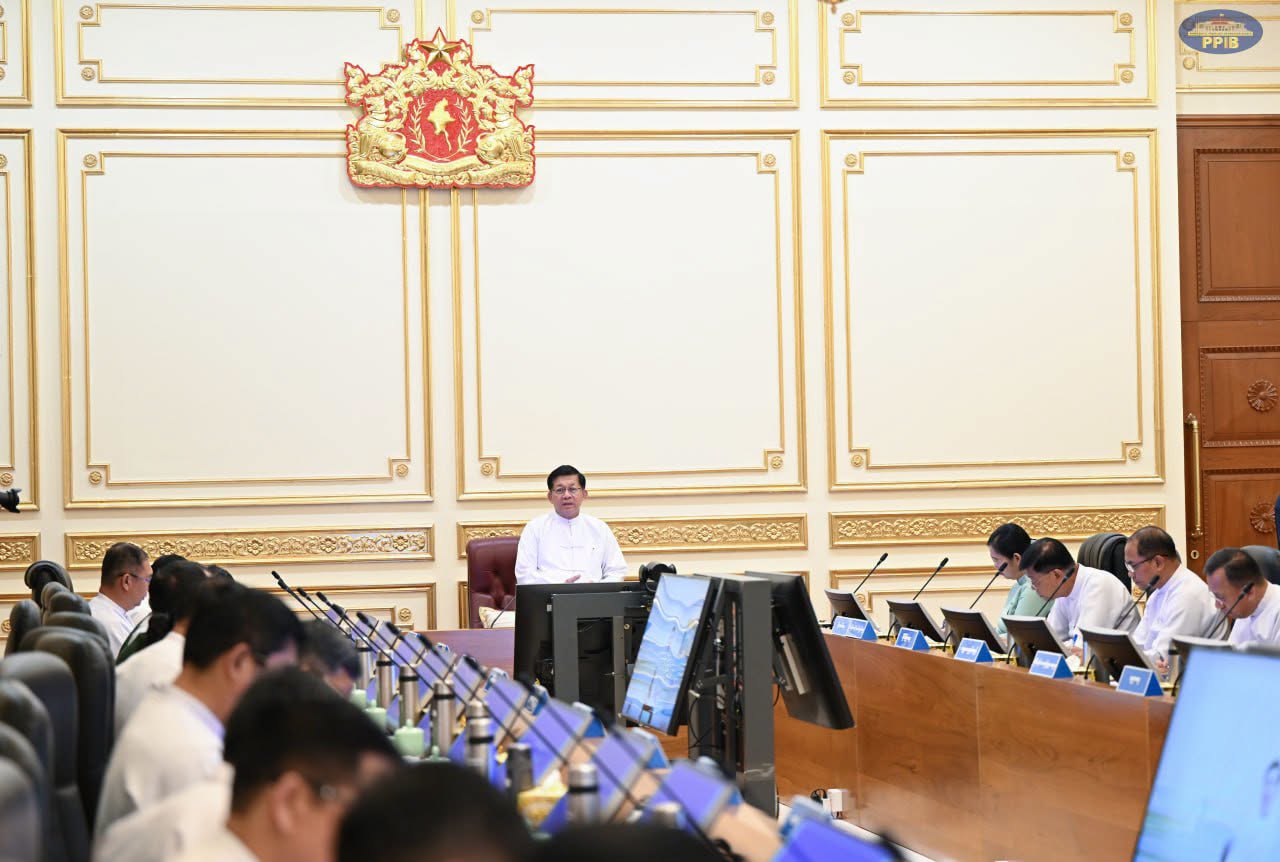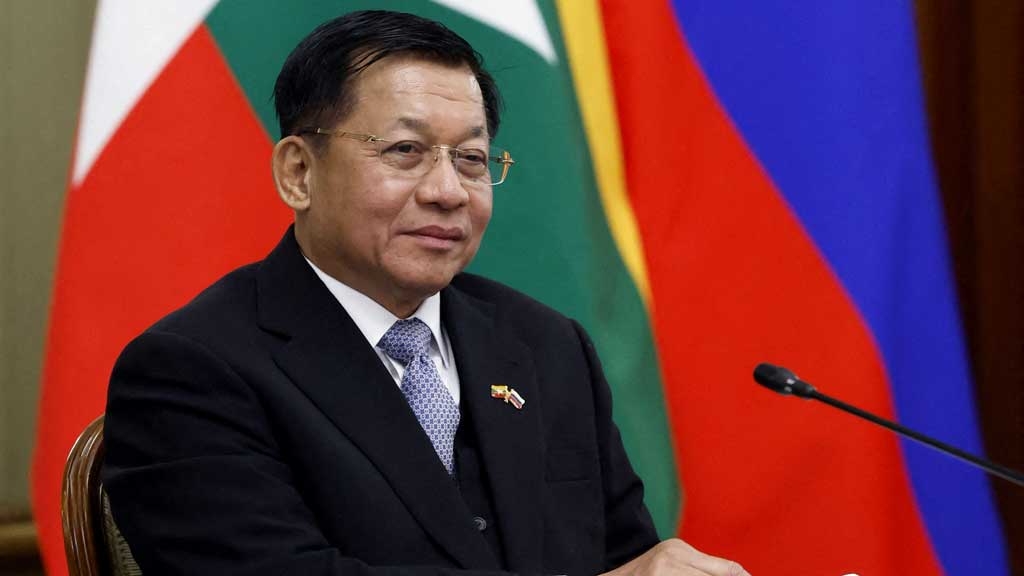
International and domestic observers are raising serious concerns that Myanmar’s military junta is using elections as a strategy to legitimize its grip on power, as fears grow over widespread vote rigging in conflict-hit areas, including Rakhine State. The general election scheduled for December 28 is already facing a severe crisis of credibility, with public trust described as “almost nonexistent.”
Skepticism has deepened particularly because the country’s mentioned main opposition force, the National League for Democracy (NLD) led by detained former leader Aung San Suu Kyi, has been barred from participating. Critics argue that without the NLD, the election lacks any meaningful competition and cannot reflect the will of the people.
Myanmar has been engulfed in civil war since the military ousted the elected government in February 2021. Over the past five years, the country has spiraled into political paralysis and widespread violence. Although the junta claims the election is intended to restore stability and end the crisis, most citizens and analysts remain unconvinced. As election day approaches, uncertainty and anxiety are mounting across the country.
Armed resistance groups, including the Arakan Army (AA), have outright rejected the planned vote, calling it a political maneuver designed solely to prolong military rule. In line with this stance, the junta has intensified military operations aimed at retaking territories under rebel control in Rakhine State. The renewed fighting has resulted in civilian casualties and forced thousands of families to flee their homes.
Residents in rebel-controlled parts of Rakhine warn that if elections are held there, the risk of manipulated or fraudulent voting will be extremely high. These concerns were also highlighted in a recent report by the BBC, quoting locals who fear the poll will neither improve security nor pave the way for a return to normal life.
Observers further argue that a free and fair election is impossible under current conditions. With the exclusion of the NLD widely regarded as Myanmar’s largest political party there is no genuine competitive environment. As a result, many have labeled the vote as “stage-managed” and one-sided.
Analysts note that the 2021 coup dismantled nearly a decade of democratic governance. Since the outbreak of civil war, the military has increasingly relied on airstrikes and heavy force in the name of suppressing armed resistance. In Rakhine State, the Arakan Army now reportedly exercises effective control over 14 of the state’s 17 administrative townships, raising serious questions about both the junta’s capacity to conduct elections and the legitimacy of any outcome it claims.
Against this backdrop, critics warn that the planned election is unlikely to resolve Myanmar’s deep political crisis and may instead further entrench conflict and instability.
BOB Post