As the geopolitical rivalry between the United States and China spirals into new dimensions, the struggle for dominance is now spilling into rare earth minerals, regional supply chains, and cutting-edge technologies. Countries with fragile political systems but high geo-economic value are increasingly becoming theaters of this strategic confrontation and Myanmar, India’s gateway to Southeast Asia, has now entered the spotlight.
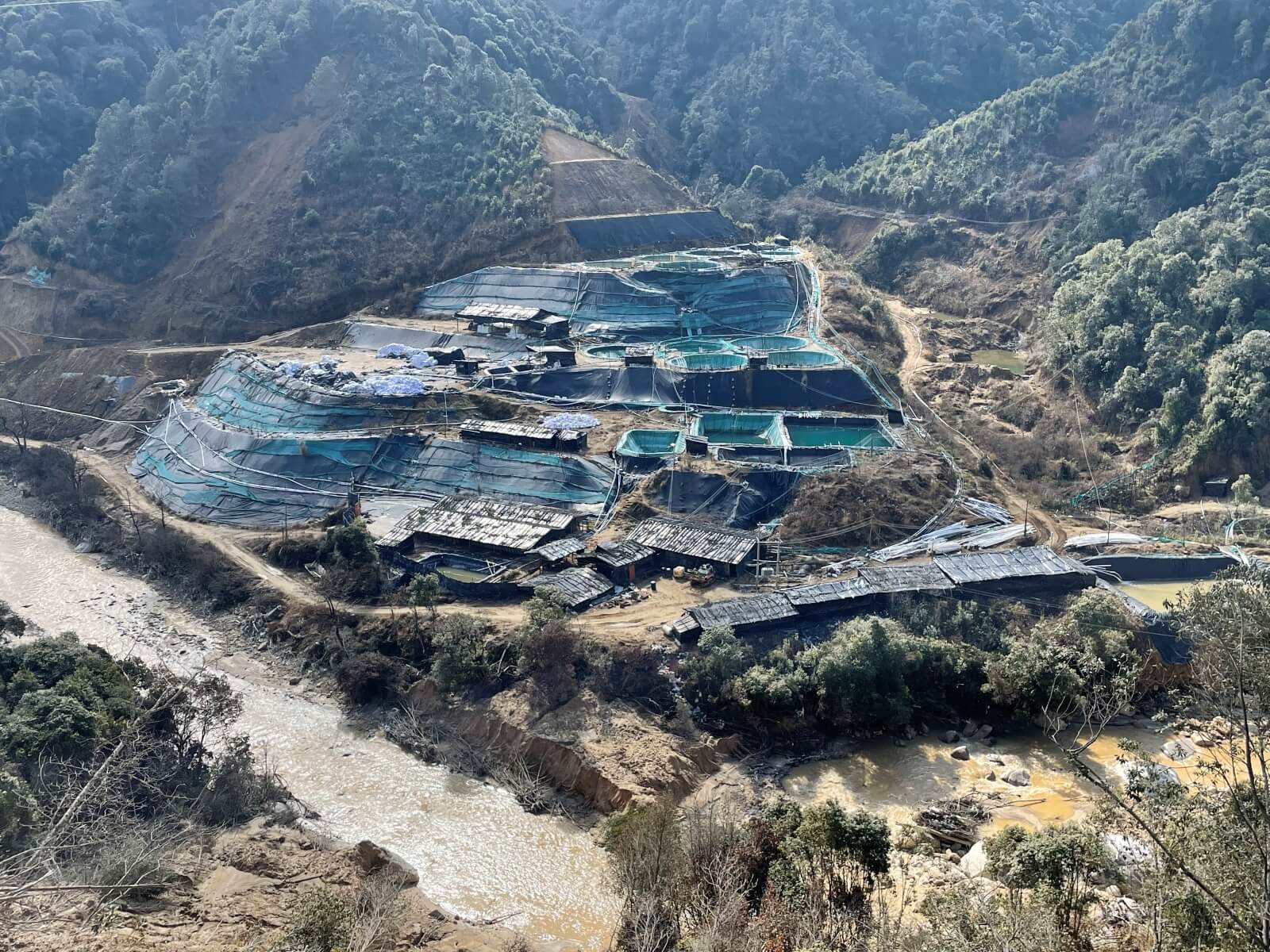
Despite being torn by civil conflict between the military junta and ethnic armed groups, Myanmar possesses some of the world’s richest rare earth deposits especially in its northern regions. These include dysprosium, a mineral crucial for electric vehicles, advanced electronics, and precision-guided weapons. Control over such resources offers not just economic gains but also significant technological and military advantages.

China has long dominated Myanmar’s critical mineral sector, accounting for nearly two-thirds of its imports since 2017. Following the 2021 coup, Beijing further expanded its influence as Western nations-imposed sanctions and reduced engagement. By 2024, China was importing more rare earths from Myanmar than it produced at home, revealing the country’s growing strategic importance to Beijing’s industrial supply chains.
However, recent advances by ethnic rebel forces, particularly the Kachin Independence Army (KIA), have disrupted Chinese operations in the north. The KIA’s suspension of projects involving Chinese firms created new uncertainty, weakening Beijing’s control and opening a limited window for other global actors.
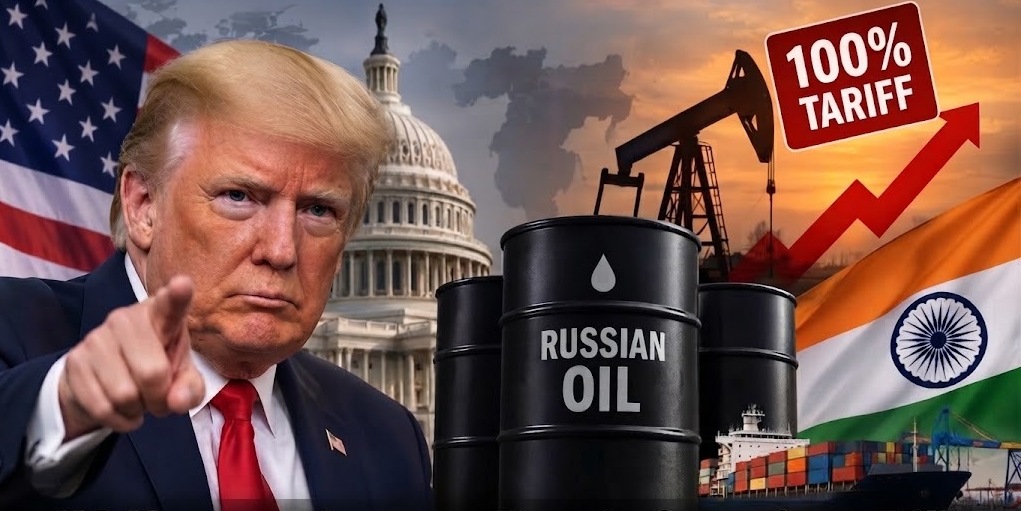
The United States has taken notice. Under the Trump administration, Washington is reworking its Myanmar strategy maintaining tariffs for leverage, easing certain sanctions to test diplomatic openings, and expanding intelligence operations through a new consulate in Chiang Mai, Thailand. Yet, experts caution that the junta’s reliance on China and the remote location of Myanmar’s mineral deposits make U.S. involvement risky and uncertain.
These constraints have provided India and its Quad partners-Japan, Australia, and the U.S. with a chance to play a larger role. India’s National Critical Mineral Mission 2025 aims to secure foreign mineral assets and boost domestic processing capabilities. Through its public enterprise Khanij Bidesh India Ltd. (KABIL), New Delhi is exploring collaborations in countries like Argentina, Australia, and potentially Myanmar.
India’s Geological Survey and Ministry of Mines have also held talks with Myanmar’s authorities about cooperation in critical mineral exploration. Meanwhile, Indian Rare Earths Limited is seeking joint ventures with Japan and South Korea to develop rare-earth magnet production.
These initiatives align with India’s effort to build processing hubs, such as the Morigaon semiconductor plant in Assam, which could link extraction to high-tech manufacturing. For Quad partners, northeast India presents a stable alternative to Myanmar for critical mineral processing, offering a path toward a more resilient Indo-Pacific supply chain.
Rather than racing for direct control over Myanmar’s resources, Quad nations are emphasizing sustainability, transparency, and community-driven development. If coordinated effectively, this approach could help India and its partners build a secure, environmentally responsible rare earth network reshaping Asia’s resource map in the years to come.
BOB Post