Myanmar’s military regime has eased key requirements for political parties contesting its planned December-January election, in a move widely seen as an attempt to shore up participation and credibility. The Irrawaddy reported that the changes came just weeks after four parties were dissolved for failing to meet registration criteria under the Political Parties Registration Law.
On Sunday(September 22), the regime amended the rules, reducing the number of constituencies national parties must contest from half (417) of the total 833 constituencies to just one-quarter (209). The change came a day before Monday’s deadline for submitting candidate lists, providing a lifeline to parties struggling to field candidates amid security and logistical hurdles.
A total of 61 parties initially registered for the polls, with nine planning nationwide campaigns and 52 contesting only in regional or state constituencies. However, on September 9, the junta dissolved four parties—the National Democratic Force (NDF), the Democratic Party of National Politics (DNP), the Women Party (Mon), and the Union Farmer-Labor Force Party—for failing to meet minimum membership and office requirements. The NDF and DNP were considered close to the regime.
Under the law, national parties must recruit at least 50,000 members and open offices in one-third of Myanmar’s 330 townships, while regional parties must secure 1,000 members and maintain offices in five townships within their state or region.
Observers say the last-minute rule change was intended to prevent further disqualifications among the six remaining national parties, which could have further eroded the election’s legitimacy. The military-backed Union Solidarity and Development Party (USDP), however, said it already meets the requirements.
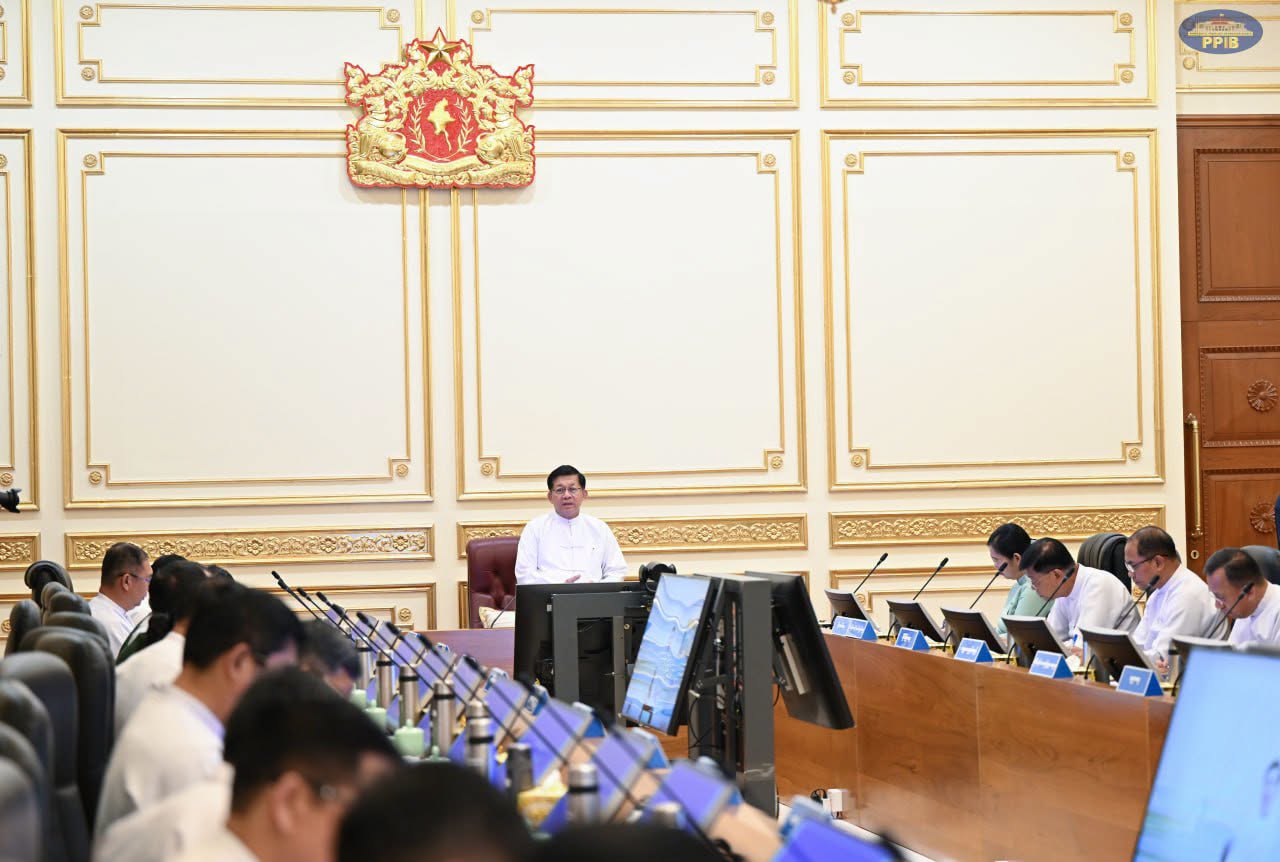
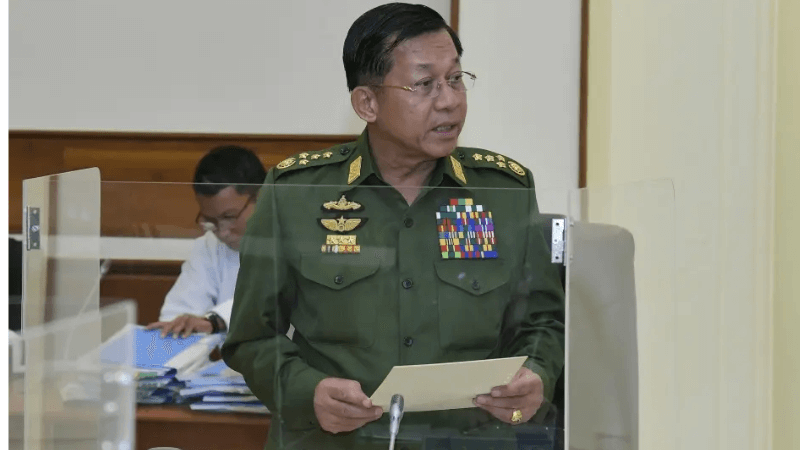
Junta chief Min Aung Hlaing has repeatedly pledged to hold a “dignified and successful” election, repeating the vow last week during a visit to Tanintharyi Region. He also granted a full pardon to Dr. Aye Maung, chairman of the Arakan Front Party, who was previously barred from contesting due to a 2019 high treason conviction.
The regime plans to hold the first phase of voting on December 28 in 102 townships and says it will invite election observers from China, India, and Cambodia. Both Beijing and New Delhi have reportedly pledged support for the process.
However, ethnic armed groups and resistance forces have urged the public to boycott the polls, dismissing them as a sham aimed at entrenching military rule. Much of the international community has voiced similar skepticism.
BOB Post