Mobile phone users across Myanmar have received text messages promoting the delegation of the country’s military council as it appears before the International Court of Justice (ICJ) in a high-profile genocide case linked to the Rohingya crisis.
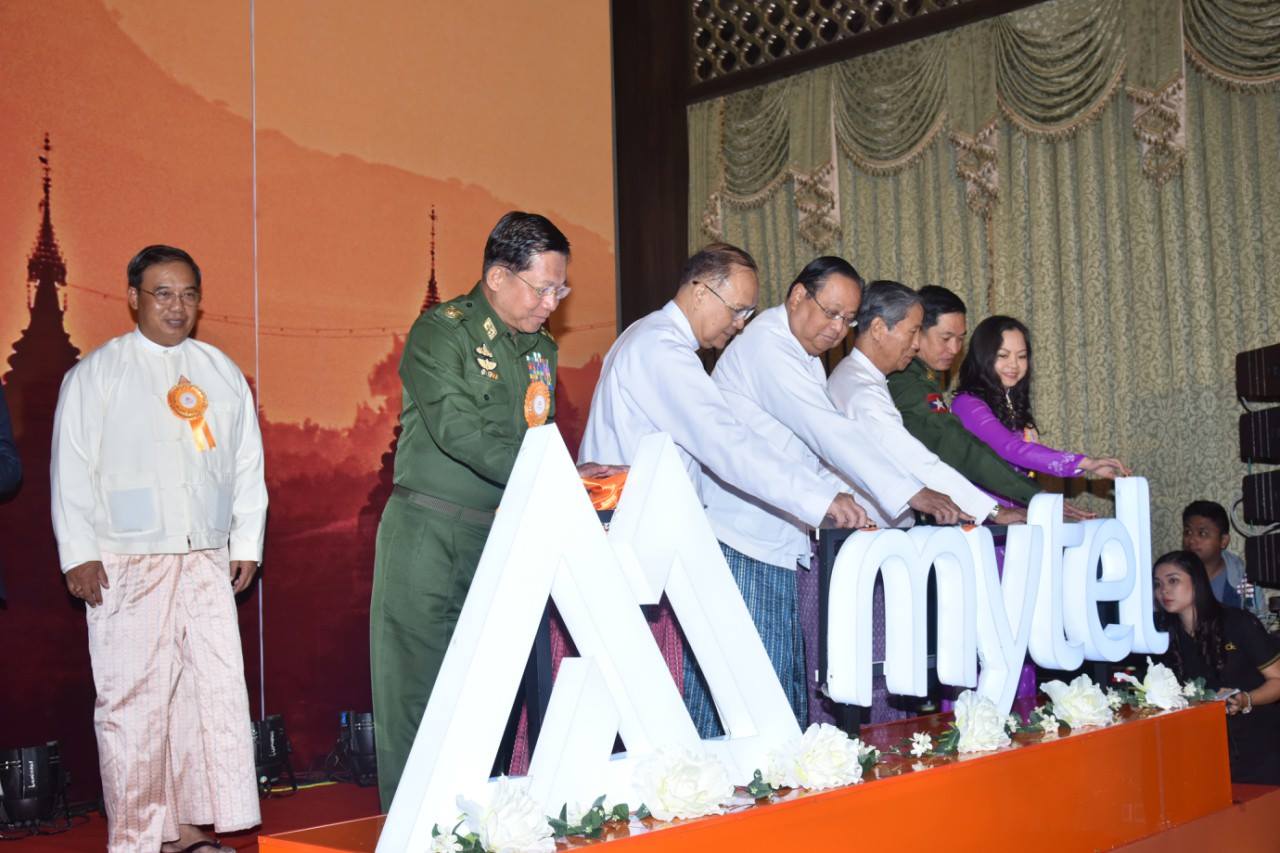
The messages, circulated via telecom operators connected to the military authorities including Mytel and the state-run Myanmar Posts and Telecommunications (MPT) portray the delegation as enjoying broad public backing and as standing up for Myanmar’s “sovereignty and national dignity” during proceedings in The Hague, according to Arakan News Agency.
The delegation is led by Union Minister U Ko Ko Hlaing from the Office of the Prime Minister, who is representing Myanmar at the ICJ hearings currently underway in the Netherlands.
Alongside the mass messaging campaign, pro-military networks have ramped up coordinated online activity, sharing posts and operating pages that praise the military council’s defense strategy at the court. These efforts appear aimed at projecting domestic unity and legitimacy amid intense international scrutiny.
However, pro-military lobby groups have claimed that Meta has removed several Facebook accounts and pages involved in promoting the military council’s narrative, citing violations of the platform’s policies.
Separately, groups aligned with the military have announced plans to stage protests in Mandalay, criticizing arguments presented by Gambia’s legal team during the hearings.
The ICJ is reviewing a landmark case brought by Gambia, which accuses Myanmar’s leadership of breaching the Genocide Convention through its 2017 military operations against the Rohingya Muslim minority in Rakhine State. Gambia filed the case in November 2019, asserting that the actions amounted to genocide.
A United Nations Human Rights Council–mandated fact-finding mission reported in 2018 that there were reasonable grounds to believe Myanmar’s security forces committed genocide, war crimes, and crimes against humanity during the crackdown.
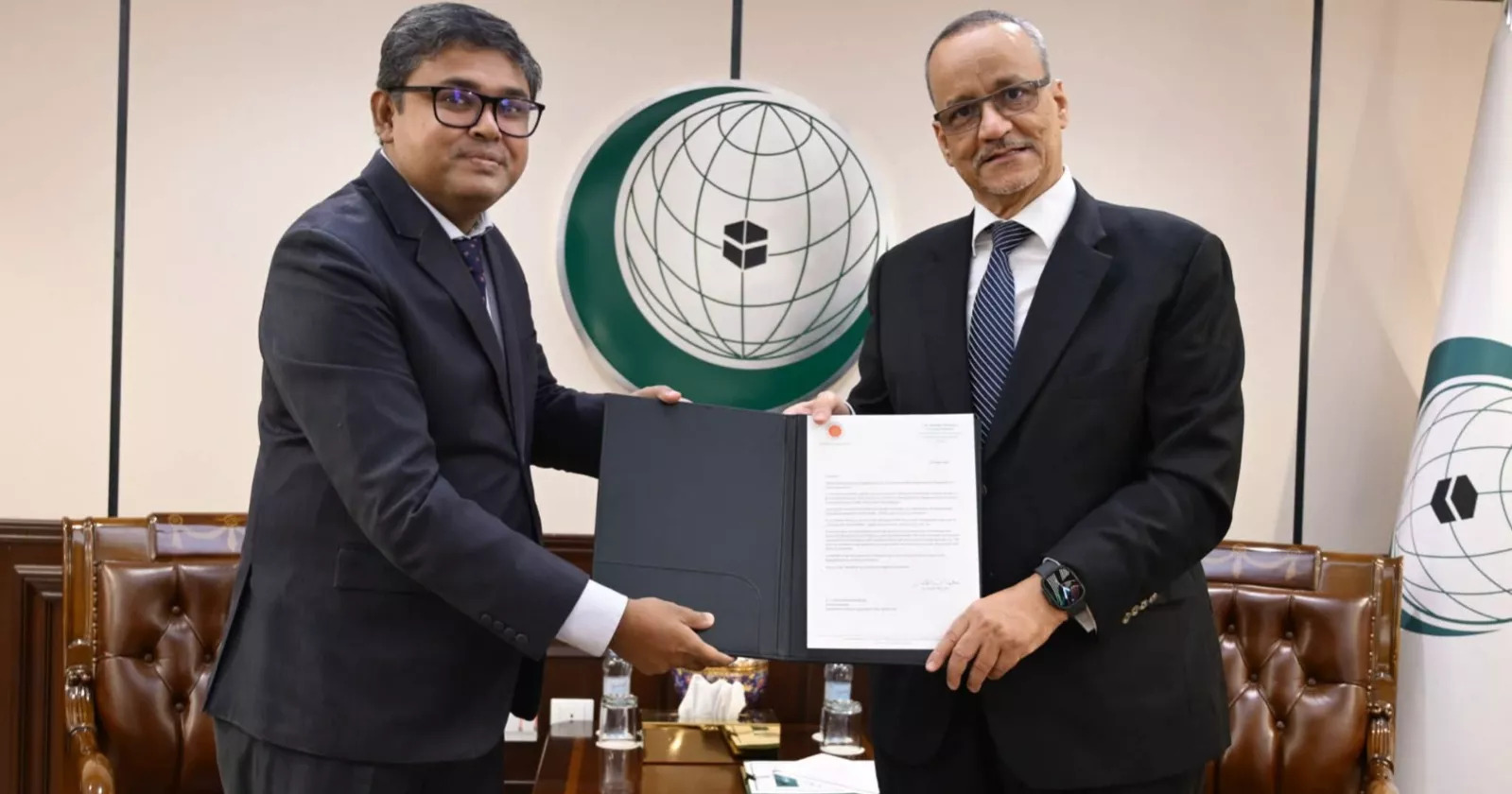
Gambia’s case is backed by 57 member states of the Organization of Islamic Cooperation, along with support from several non-OIC countries, including the United Kingdom, France, Germany, and Canada, underscoring the broad international concern over accountability for crimes committed against the Rohingya.
BOB Post