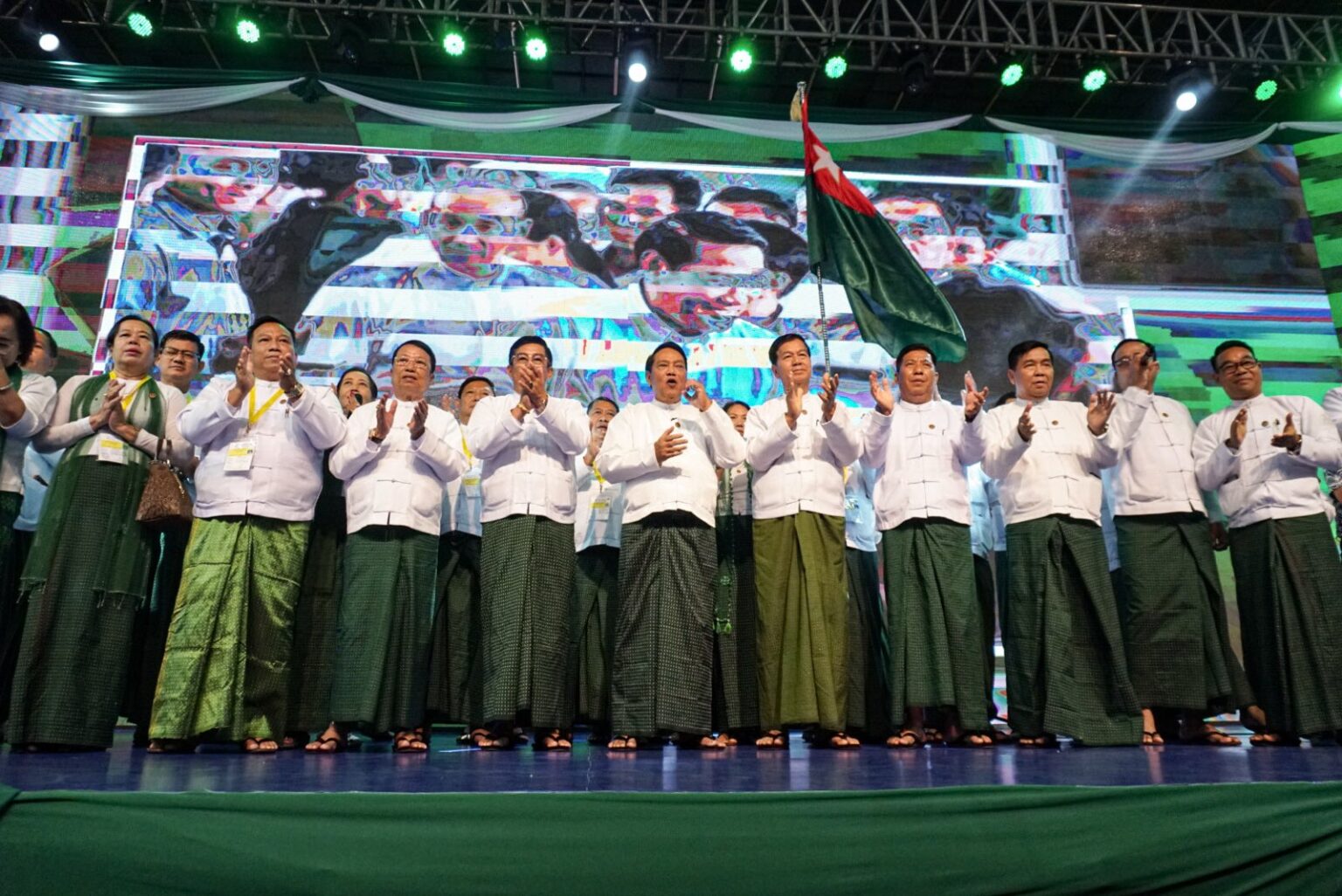
Myanmar’s military-backed Union Solidarity and Development Party (USDP) has declared a sweeping victory in the country’s contested national elections, claiming control of a substantial majority of seats amid widespread rejection of the poll’s legitimacy both at home and abroad.
According to UNI, official results released by the Union Election Commission showed the USDP capturing more than 72 % of the contested seats, winning 739 of 1,025 seats across participating legislatures in the three-phase election held from December 28, 2025, to January 25, 2026. The vote, organised under the supervision of the ruling junta, took place against the backdrop of a deeply divided nation still grappling with the aftermath of the 2021 military coup that overthrew the elected government of Aung San Suu Kyi and triggered widespread civil conflict.

Minor and ethnic-based parties logged scattered successes, with groups such as the National Unity Party, Shan Nationalities Democratic Party, and others gaining modest numbers of seats, but none posed a serious challenge to the dominance of the USDP and the military leadership. Ahead of the vote, several high-profile figures from smaller parties failed to secure victories, and allegations of administrative interference cast further doubt on the fairness of the contest.
International reaction has been swift and critical. The United Nations, rights organisations, and global democracy observers have denounced the election as neither free nor fair, citing the absence of major civilian opposition, the imprisonment of key political leaders, and uneven participation due to ongoing conflict. ASEAN member states and other regional actors have also withheld endorsement of the electoral outcome. Observers argue that the poll appears designed to cement military control rather than reflect the genuine will of the Burmese people.
Despite the international backlash, the junta has defended the process, with officials insisting the elections were conducted under legal frameworks and reflected popular support. The results are expected to shape Myanmar’s political trajectory for years to come, even as large swathes of the population and external governments continue to question the credibility of the process.
BOB Post