Global internet freedom has declined for the 14th year in a row, with Myanmar and China tied for the world’s worst record, according to a new study by Freedom House, a pro-democracy research group based in the United States.
The report, released on Wednesday, highlighted Kyrgyzstan’s significant drop in 2024 as President Sadyr Japarov intensified efforts to clamp down on online organizing and silence digital media. Kyrgyz authorities shut down the investigative media website Kloop, which had reported on allegations of torture in custody by an opposition leader.
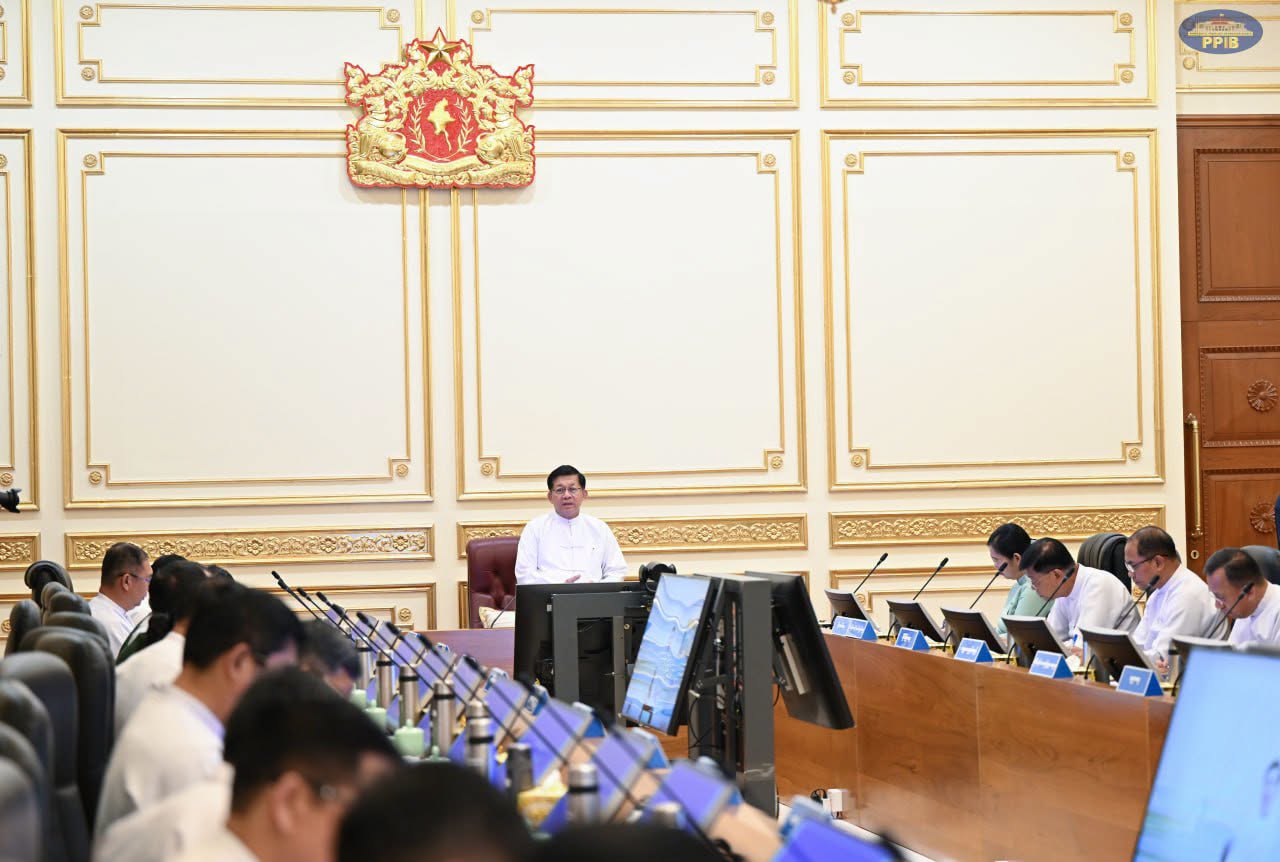
Protections for human rights online have diminished in 27 of the 72 countries covered by the Freedom on the Net (FOTN) report. Myanmar became the first country in a decade to match China’s low internet freedom score. The military government in Myanmar has imposed systematic censorship and surveillance of online speech, further restricting freedoms.
In May, Myanmar’s government introduced new measures to block access to virtual private networks (VPNs) used to bypass internet controls. China’s low score, meanwhile, stems from its "great firewall," which seeks to isolate the country from the rest of the world and block content that threatens the ruling Communist Party.
Asked about the report, China said its people "enjoy various rights and freedoms in accordance with the law." Ministry of Foreign Affairs spokeswoman Mao Ning stated: "As for the so-called report, I think it is entirely baseless and made with ulterior motives."
The report also downgraded other nations, including Azerbaijan, where people have been imprisoned over social media posts, and Iraq, where a prominent activist was killed following protests triggered by a Facebook post.
"In three-quarters of the countries covered by FOTN, internet users faced arrest for nonviolent expression, at times leading to draconian prison sentences exceeding 10 years," Freedom House said.
Meanwhile, Iceland maintained its position as the "freest online environment" globally, followed by Estonia, Canada, Chile, and Costa Rica. Zambia recorded the largest improvement, with the country showing a growing space for online activism.
For the first time in 2024, FOTN assessed conditions in Chile and the Netherlands, both of which demonstrated strong safeguards for human rights online.
BOB Post