In a nation where the cost of chicken feed has more than doubled and farmers are struggling to survive, an innovative approach that blends traditional farming with modern satellite technology is offering a new lifeline. A groundbreaking study led by Belton et al (Ben Belton is a fixed-term Associate Professor, International Development, in the Food Security Group at AFRE). demonstrates how integrating poultry and fish farming, guided by advanced geospatial analysis, can create a resilient and profitable model for Myanmar’s embattled agricultural sector.
The research comes at a critical moment. Myanmar's poultry industry, a cornerstone of the nation's food supply, is under severe pressure. According to recent reports from the region, farmers face a perfect storm of skyrocketing feed costs, persistent disease outbreaks, and crippling economic instability. For the country's millions of smallholder farmers, who form the backbone of the rural economy, these challenges are making it nearly impossible to turn a profit, threatening both their livelihoods and the nation's food security.

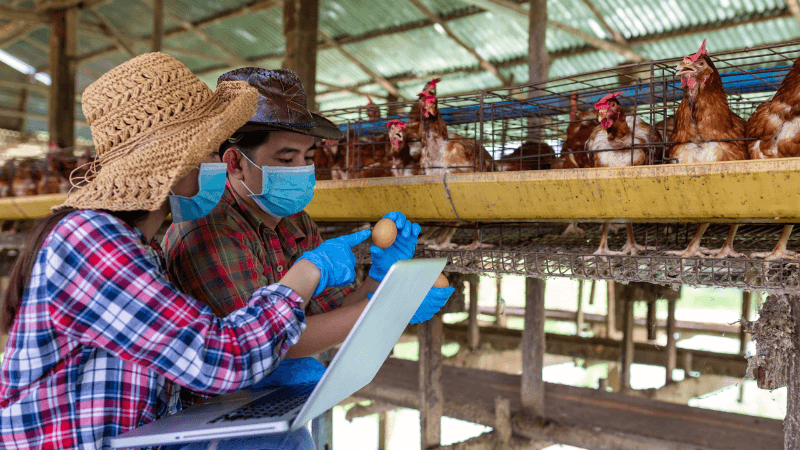
This is where the work of Belton and his team becomes transformative. Their study focuses on a practice with deep roots in Asian agriculture: raising chickens and fish in a symbiotic relationship. In this system, poultry waste becomes a natural, high-nutrient fertilizer for fish ponds. This simple synergy dramatically cuts costs for farmers—by as much as 60% on feed and fertilizers, according to the Food and Agriculture Organization (FAO).
What's novel is the application of sophisticated satellite imagery and Geographic Information Systems (GIS). This technology provides a "bird's-eye view," allowing for the precise mapping and monitoring of these integrated farms. Farmers can use this data to visualize their land and resources in unprecedented detail, helping them make critical decisions about where to place chicken coops, how to manage water flow, and how to optimize their farm's layout to maximize productivity and minimize environmental impact.
"This isn't just about farming; it's about giving farmers the tools to be resilient," a researcher connected to the project stated. By producing both poultry and fish, farmers are no longer dependent on a single source of income. This diversification provides a crucial buffer against volatile market prices and the devastating impacts of climate-related events like floods and droughts, which have increasingly plagued Myanmar.

The environmental benefits are just as compelling. By recycling waste into a valuable resource, integrated farming significantly reduces the nitrogen and phosphorus runoff that pollutes local waterways. This leads to cleaner water for communities and healthier surrounding ecosystems, a vital step towards sustainable agriculture in a country facing significant environmental degradation.
The study by Belton et al. essentially provides a high-tech blueprint for a low-cost, sustainable solution. It demonstrates a clear path forward for a country where nearly 70% of the population resides in rural areas and is dependent on agriculture. The findings are a powerful call to action for policymakers to invest in the training, technology, and financial support needed to help farmers adopt these practices on a larger scale.
As Myanmar confronts its complex challenges, this fusion of age-old farming techniques with cutting-edge geospatial analysis may be key to not only reviving its poultry sector but also building a more food-secure and sustainable future for millions. The lessons learned here could soon become a model for other vulnerable agricultural regions across the globe.
BOB Post