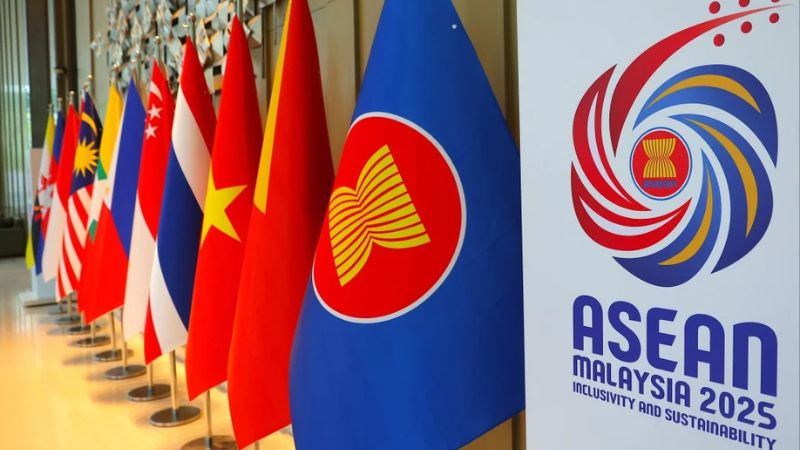
Southeast Asian foreign ministers gathered behind closed doors on Sunday for a retreat in Malaysia, marking the country's first meeting as chair of the Association of Southeast Asian Nations (ASEAN). The regional bloc faces pressing challenges, including escalating violence in Myanmar and disputes in the South China Sea.
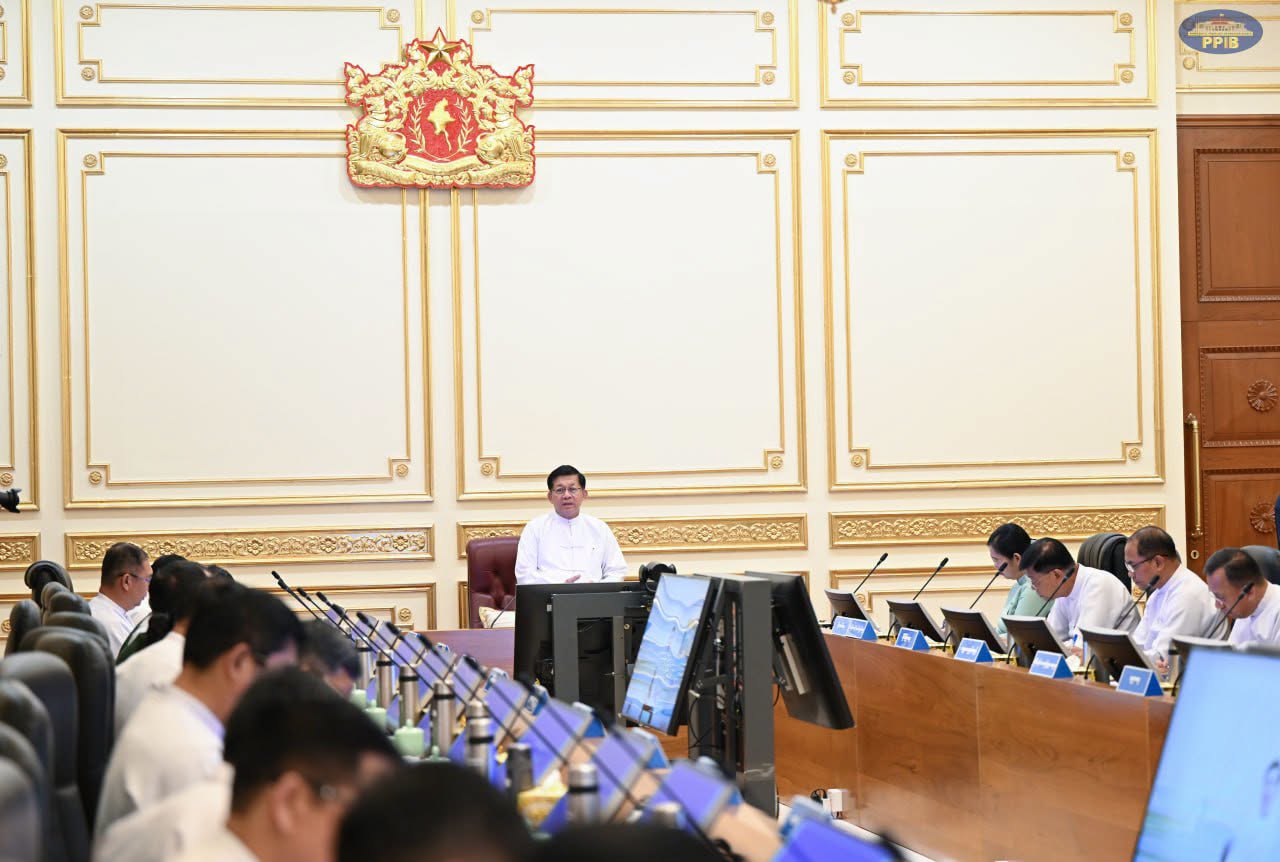
As Malaysia assumes its role as ASEAN chair, it confronts Beijing’s assertive actions in the South China Sea and the bloc’s stalled efforts for peace in Myanmar. The Myanmar military government plans to hold elections this year despite ongoing turmoil, drawing widespread criticism.
Malaysia’s foreign ministry secretary-general, Amran Mohamed Zin, tempered expectations for immediate resolutions on Myanmar and progress in talks for an ASEAN-China code of conduct in the South China Sea. "To say that we will have a solution immediately is going to be very ambitious," Amran said at a briefing on Langkawi Island ahead of the meeting.
Myanmar’s Unfolding Crisis
Myanmar has been mired in unrest since the military toppled a civilian government in 2021, sparking nationwide pro-democracy protests that have evolved into a full-scale armed rebellion. Despite economic collapse and multiple military defeats, the junta remains intent on holding elections this year. Critics view the vote as a ploy to cement military power.
ASEAN’s efforts to implement its "Five-Point Consensus" peace plan—calling for dialogue and an end to hostilities—have faltered. The bloc has yet to take a unified stance on Myanmar's planned election.
"Engagements to support Myanmar will continue under Malaysia's chairmanship," Amran said, emphasizing the collective desire to aid the country.
South China Sea Disputes
Amran also highlighted the importance of maintaining the South China Sea as a "sea of peace and trade." Progress on a code of conduct with China has been slow but ongoing, he noted.
The South China Sea is a vital trade route, facilitating $3 trillion in annual commerce. It has been the scene of recent tensions, with confrontations between China and the Philippines, as well as protests by Vietnam and Malaysia over Chinese activity in their exclusive economic zones. China claims sovereignty over most of the waterway.
Philippine Foreign Secretary Enrique Manalo called for negotiations on key "milestone issues," including the code’s scope and its potential legal enforceability.
Adib Zalkapli, managing director of Viewfinder Global Affairs, acknowledged Malaysia’s political commitment to resolving Myanmar’s crisis but was skeptical about significant breakthroughs on the South China Sea during its chairmanship. "Claimant states must manage and contain the issue to avoid unnecessary escalation," he said.
Malaysia’s tenure as ASEAN chair will be closely watched for its handling of these critical regional challenges.
BOB Post