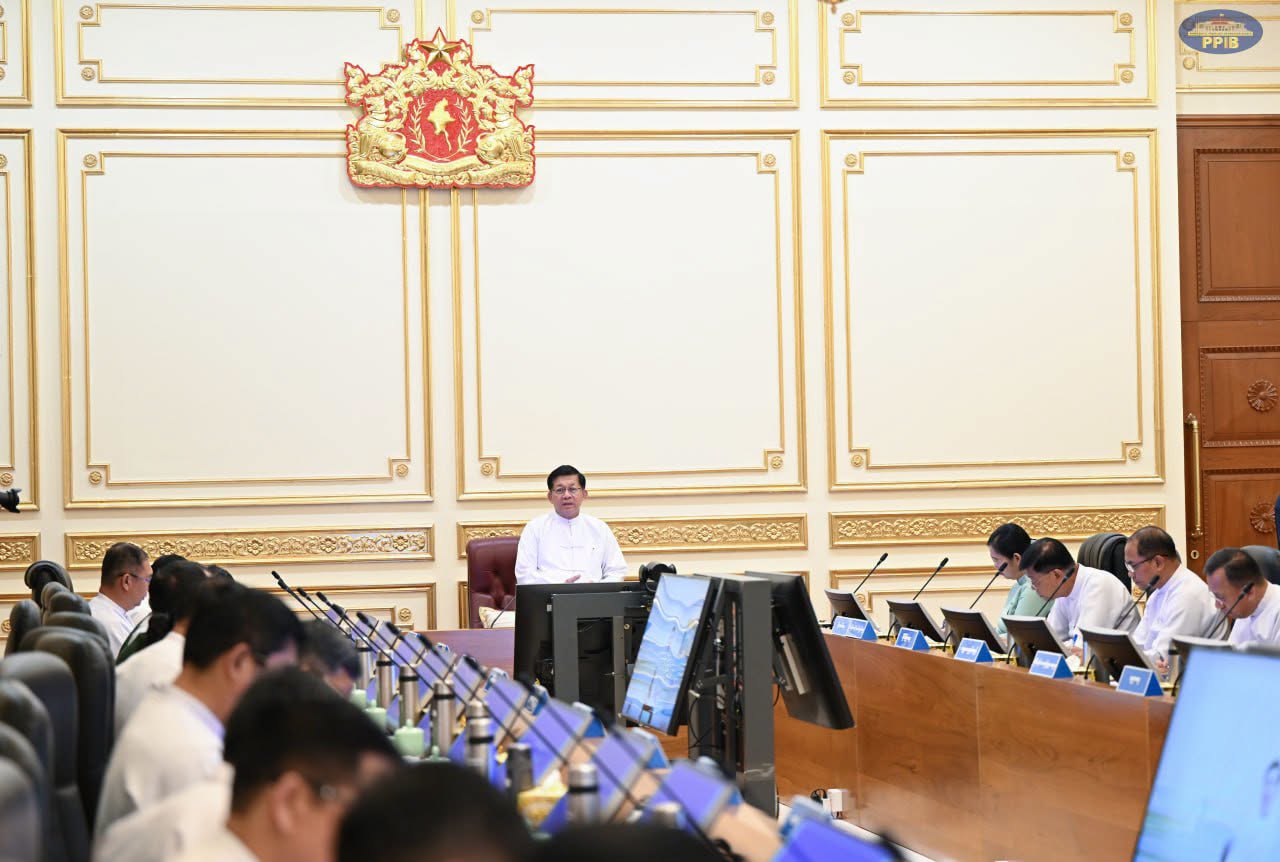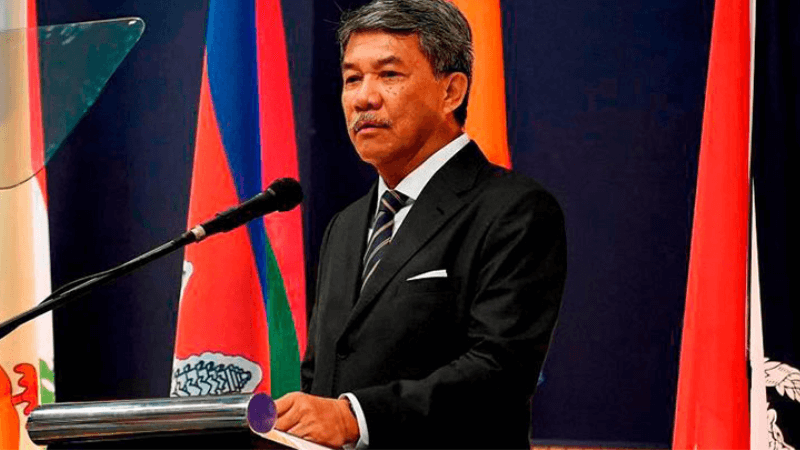
Malaysia’s Foreign Minister Mohamad Hasan on Wednesday called on all parties in Myanmar’s ongoing civil conflict to foster an environment conducive to holding an election, underscoring the need for inclusive political dialogue as violence and instability escalate across the country, especially in Rakhine State.
Speaking at the ASEAN Foreign Ministers’ Meeting in Kuala Lumpur, Mohamad Hasan said, “We urge all concerned stakeholders in Myanmar to work toward a situation where an election can be held meaningfully. Peace, trust, and inclusivity must be the foundation.”
While his comments appeared to advocate for democratic processes, it remains unclear whether Malaysia — which holds the rotating chair of the Association of Southeast Asian Nations (ASEAN) this year — is softening its earlier stance. ASEAN had previously argued that elections in Myanmar should not be prioritized before substantive peace is restored and dialogue is established with the country’s key political actors, including ethnic armed organizations and the National Unity Government (NUG).

The timing of Mohamad’s call comes as the humanitarian and security situation in Myanmar continues to deteriorate, particularly in western Rakhine State, where the Arakan Army (AA) has seized significant territory in its ongoing war against the junta. The military regime has lost control of key administrative zones and infrastructure, while tens of thousands of civilians — including Rohingya communities — remain trapped or displaced, facing growing risks of ethnic and religious violence.
Observers warn that without a comprehensive political agreement involving the junta, the NUG, ethnic resistance forces, and minority communities such as the Rohingya, any election would lack legitimacy and deepen the fragmentation of Myanmar’s state structure.
“An inclusive election cannot take place under military rule alone. The current conditions in Myanmar — particularly the Rakhine battlefield and systemic disenfranchisement — make the idea of credible voting practically impossible,” said a Southeast Asian diplomat attending the talks, requesting anonymity.

ASEAN remains divided on how to handle Myanmar, with some member states favoring deeper engagement with the junta, while others, including Malaysia, Indonesia, and the Philippines, have leaned toward isolating the regime and supporting the Five-Point Consensus agreed in 2021 — which calls for an immediate cessation of violence, inclusive dialogue, and humanitarian access.
Mohamad’s remarks may reflect a shift in tone rather than a shift in policy, aimed at nudging Myanmar's factions toward a negotiated political solution. However, analysts stress that without clarity on whether Malaysia supports or rejects the military’s proposed 2025 election timetable, the message may signal confusion more than consensus.
Rights groups continue to emphasize that any credible path forward must guarantee the political participation of Myanmar’s disenfranchised populations — including the Rohingya — and must be rooted in international standards of democracy and human rights.
BOB Post