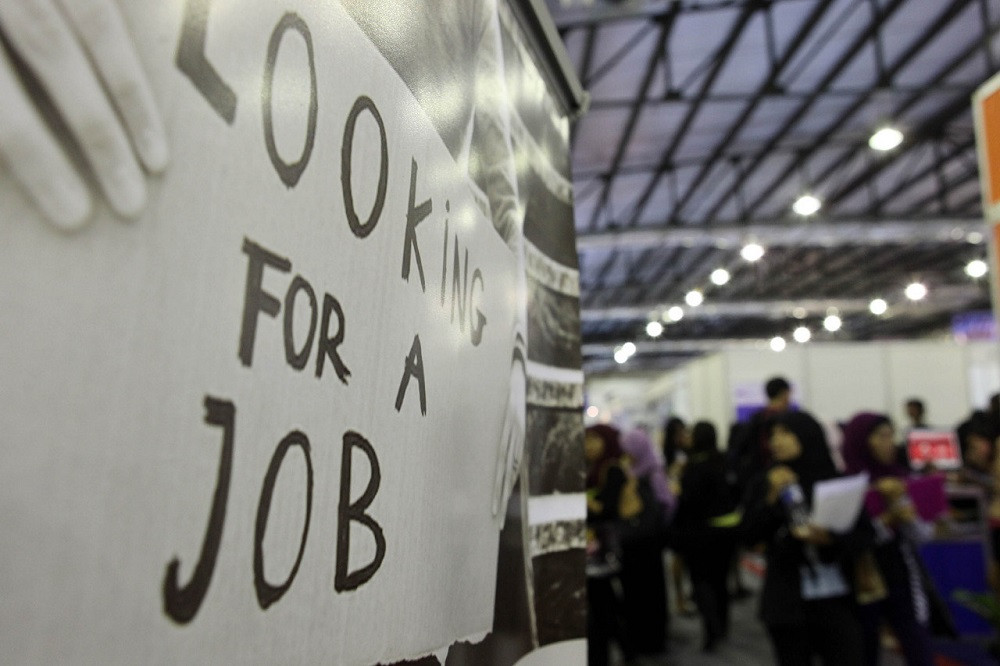
In a small town on the outskirts of Medan, North Sumatra, Andreas Hutapea’s days unfold behind the counter of his parents’ modest grocery shop. Two years after graduating with a law degree, he is still searching for meaningful employment. His story, increasingly common across Indonesia, reveals a deeper economic fault line—one that could reshape the nation’s future.
Despite his academic achievements and efforts to secure government or private employment, Hutapea has faced repeated rejection. His fallback option, unpaid work at his family shop, provides neither income nor professional growth. “I wanted to build a future, not circle back to where I started,” he said.
Indonesia, home to over 280 million people, is sitting on a demographic paradox. With one of Southeast Asia’s largest youth populations, the country should be experiencing a surge in productivity and innovation. Instead, youth unemployment remains stubbornly high at around 16 percent, highlighting a growing disconnect between education and opportunity.

A Crisis Beyond the Numbers
The current wave of educated but jobless youth reflects more than just economic mismanagement. It points to deep-rooted mismatches between academic output and job market demand. Each year, thousands of university graduates enter a labor market already strained by informality, low wages, and outdated hiring systems.
While Indonesia's overall unemployment rate hovers near 5 percent, that figure masks the quality of available work. A vast number of jobs fall into the informal category—without contracts, security, or social benefits. For university-educated youth, many of whom bear the financial burden of tuition, settling for such work is not just disheartening—it feels like a betrayal of their investment.
The issue is compounded by geographic inequality. Most high-value job opportunities remain concentrated on the island of Java, particularly around Jakarta. In contrast, other provinces—including resource-rich but underdeveloped regions like Sumatra, Kalimantan, and Papua—suffer from weak infrastructure and limited private investment. For youth in these areas, even reaching a job interview can be a logistical and financial hurdle.

Policy Gaps and Missed Opportunities
Efforts to reduce unemployment have been piecemeal. While the government has launched skill development initiatives and formed employment task forces, these remain fragmented and often out of sync with local realities. Vocational education and university-industry linkages, key tools in easing the school-to-work transition, are still underdeveloped in most provinces.
There’s also growing concern about the psychological toll of prolonged unemployment on the youth. In urban and semi-urban areas, feelings of frustration, hopelessness, and economic alienation are becoming more visible. Earlier this year, student-led protests erupted in several cities, with participants decrying reduced public service budgets and a lack of employment plans for young citizens.
Indonesia’s leadership faces a critical juncture. The country’s demographic window—the period during which its working-age population is larger than its dependents—is narrowing. If the structural barriers to youth employment are not addressed, the opportunity for economic transformation may slip away, replaced by long-term instability and wasted potential.
Hutapea, like many others, has not given up entirely. He continues to apply for jobs, attend interviews, and occasionally earns from small gigs at weddings. But for a young man once confident in his future, his reality today is shaped more by waiting than by building.
“I rushed to finish my degree early so I could support my family,” he said. “But now I feel like I’m just surviving, not living.”
If Indonesia cannot harness the energy, talent, and ambition of its youth, the costs will not be limited to statistics—they will echo across generations.
BOB Post