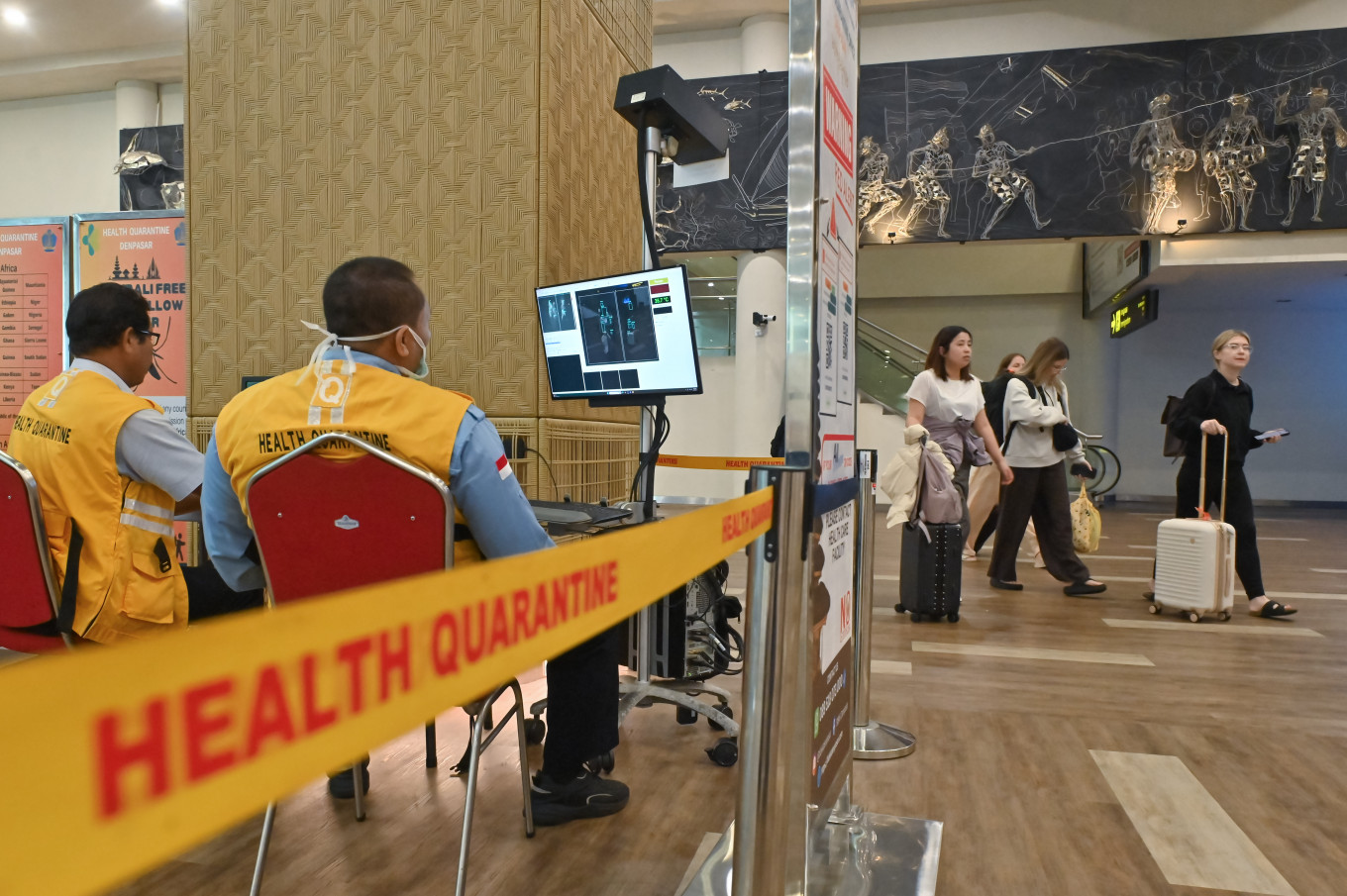
Indonesia has intensified health screenings at several international gateways in response to newly reported cases of the lethal Nipah virus in neighboring India. The government’s move comes amid regional concern over the virus’s high fatality rate, even as health authorities stress that the risk of broader spread remains low.
According to the Jakarta Post, officials at I Gusti Ngurah Rai International Airport in Bali have installed additional thermal scanning equipment in both international and domestic arrival halls to monitor incoming travellers. Airport authorities said this enhanced surveillance effort is being carried out in close coordination with the Health Quarantine Agency, aiming to identify passengers exhibiting potential symptoms before they mingle with the general public.
At Soekarno-Hatta International Airport, Indonesia’s busiest air hub in Banten province, multilayered screening measures similar to those used during the COVID-19 pandemic have also been introduced for all arrivals, especially from areas considered high risk. Health officials emphasized that while there are currently no confirmed Nipah cases in Indonesia, the protocols reflect a precautionary stance taken in light of developments in India.
The World Health Organization has assessed the current outbreak in India as low risk for international transmission and has not recommended travel or trade restrictions, but other Asian countries including Malaysia, Thailand, and Vietnam, have likewise strengthened airport checks to pre-empt potential importation of the virus.
Nipah virus, which can be transmitted from infected animals such as fruit bats to humans and between people in close contact, carries a mortality rate of up to 75 % and has no licensed vaccine. Health authorities continue to urge vigilance and preparedness even as extensive contact tracing in India has found no further spread beyond the two reported cases.
BOB Post