Indian authorities have expelled hundreds of ethnic Bengali Muslims to Bangladesh in recent weeks without following due legal procedures, Human Rights Watch (HRW) said in a report released on Tuesday. The expulsions, carried out under the pretext of targeting "illegal immigrants," reportedly include Indian citizens, including Bengali-speaking Muslims from states bordering Bangladesh.
The New York-based human rights watchdog accused the ruling Hindu nationalist Bharatiya Janata Party (BJP) government of intensifying its crackdown since May 2025. The report claims the campaign is not only arbitrary but also discriminatory in nature, targeting poor Muslim communities under the guise of immigration control.
"India's ruling BJP is fueling discrimination by arbitrarily expelling Bengali Muslims from the country, including Indian citizens," said Elaine Pearson, HRW’s Asia director. "The authorities' claims that they are managing irregular immigration are unconvincing given their disregard for due process rights, domestic guarantees, and international human rights standards."
Forced Expulsions Without Due Process
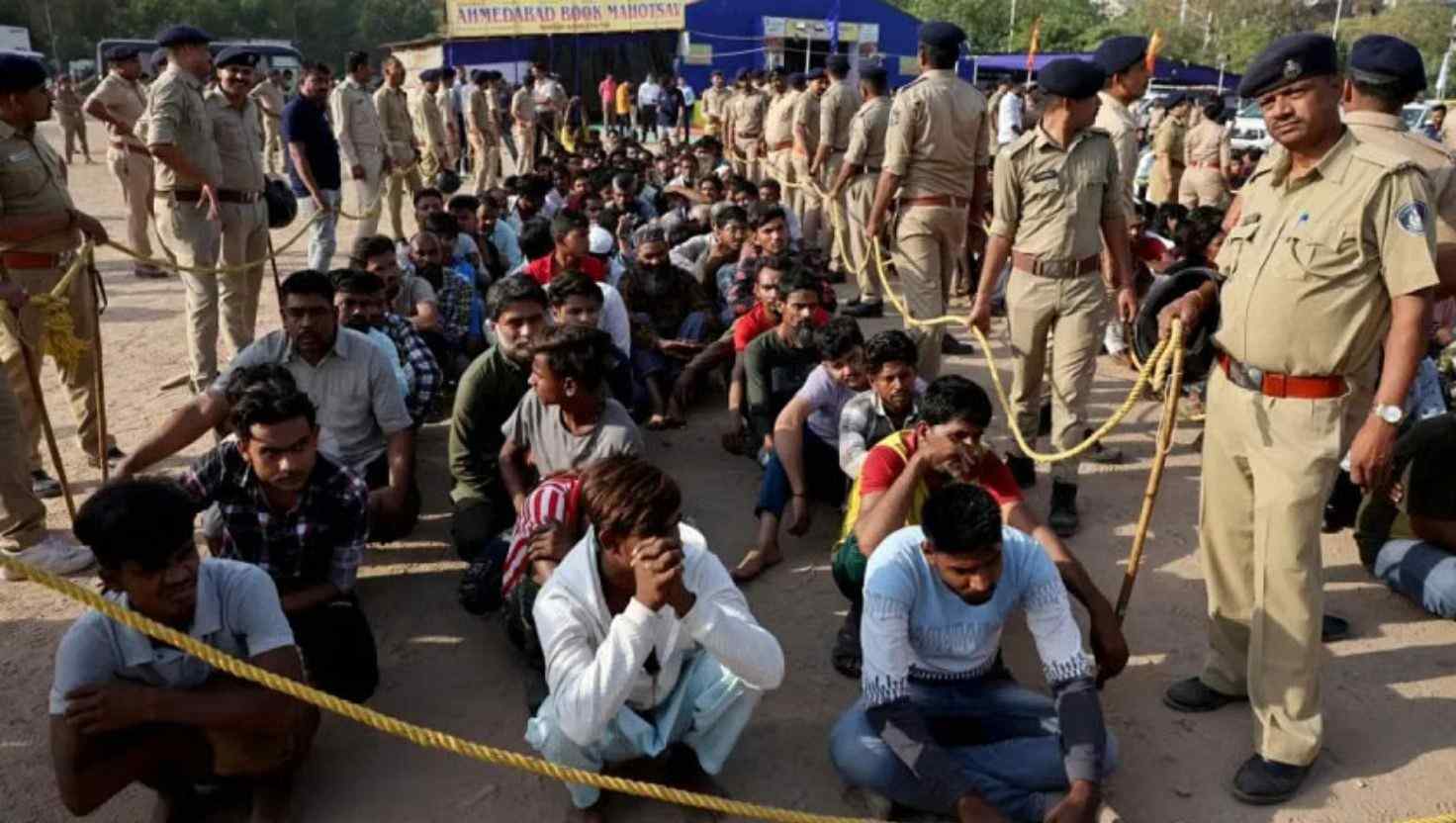
HRW said that many of those expelled had their phones and documents confiscated and were not given a chance to prove their citizenship. Border Guard Bangladesh (BGB) confirmed that between May 7 and June 15, India expelled more than 1,500 Muslim men, women, and children to Bangladesh, including around 100 Rohingya refugees. The expulsions have reportedly continued beyond that period.
States governed by the BJP—Assam, Uttar Pradesh, Maharashtra, Gujarat, Odisha, and Rajasthan—are leading the effort. HRW alleges that police and border officials beat detainees and, in some cases, forced them across the border at gunpoint. Several individuals later returned to India and shared harrowing accounts of physical abuse and threats by Indian security forces.
Khairul Islam, a 51-year-old former schoolteacher from Assam, told HRW that he was tied up and gagged by Indian border guards and expelled to Bangladesh on May 26 along with 14 others. "The BSF officer beat me when I refused to cross and fired rubber bullets in the air," he said.
Rohingya Refugees Also Targeted
HRW further accused Indian authorities of expelling Rohingya refugees in violation of international legal protections. In one alarming incident, about 40 Rohingya refugees were allegedly forced into the sea near Myanmar with only life jackets. Their fate remains unknown. The UN’s Special Rapporteur on Myanmar, Tom Andrews, called the act “an affront to human decency” and a clear breach of the principle of nonrefoulement.

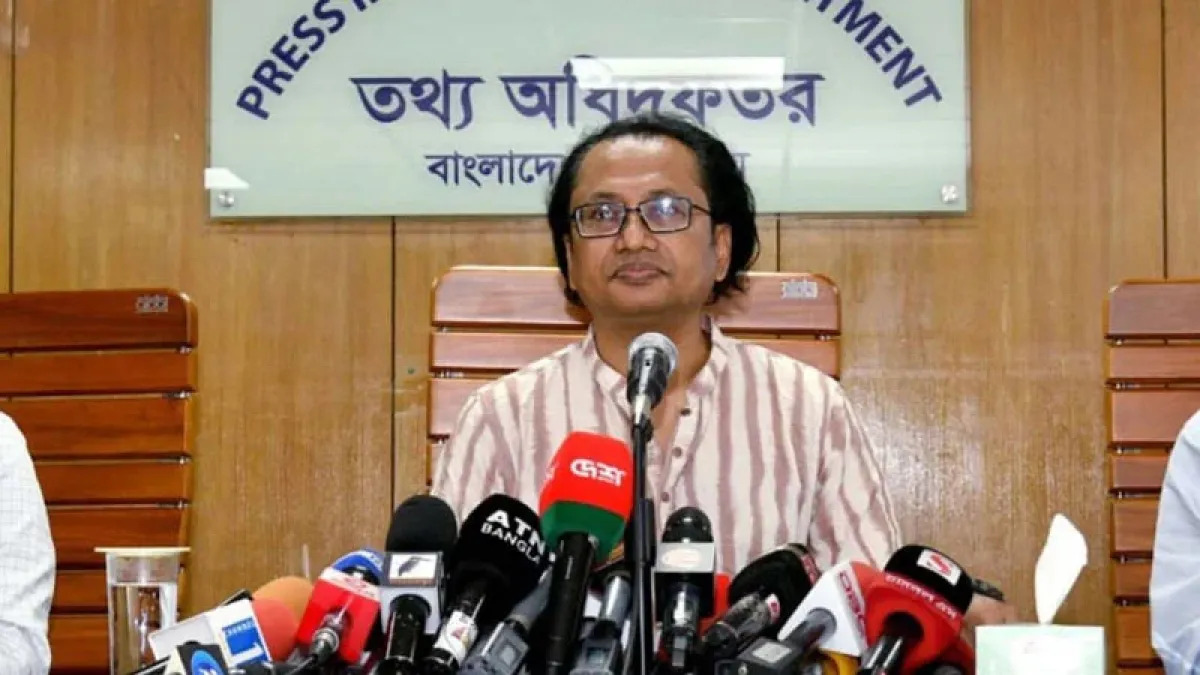
Despite calls from the United Nations and Bangladesh to follow legal repatriation procedures, Indian authorities continue what HRW describes as “unlawful and discriminatory expulsions.” Bangladesh’s Foreign Ministry described India’s actions as "unacceptable" and said it would only receive confirmed Bangladeshi citizens repatriated through formal channels.
Citizenship Verification in Assam Under Scrutiny
The report also highlighted longstanding issues in Assam’s controversial citizenship verification process. HRW criticized the state’s Foreigners Tribunals for operating without transparency and discriminating against Bengali Muslims. Since 1964, nearly 166,000 people have been declared “irregular immigrants” by these tribunals, often based on minor inconsistencies in paperwork.

The 2019 National Register of Citizens (NRC) in Assam excluded 1.9 million people, many of whom have lived in India for decades. HRW found that even individuals with pending legal appeals have been expelled, contradicting assurances by Assam’s Chief Minister Himanta Biswa Sarma that only confirmed foreigners would be deported.
Arbitrary Detentions and Human Rights Concerns
Legal experts and human rights defenders have raised alarm over recent detentions. Aman Wadud, a lawyer in Assam, said people were being picked up without clear information on their whereabouts. "There is a proper legal process for deportation that involves verification of nationality, but none of that is being followed," he said. He filed a complaint with India’s National Human Rights Commission on May 27, which remains unanswered.
In an open letter on June 5, over 100 academics, lawyers, and activists urged the Indian government to halt the expulsions, warning that pushbacks could endanger lives and violate constitutional rights.
Migrant Workers From West Bengal Also Affected
HRW documented cases of Bengali Muslim migrant workers from West Bengal being expelled from states like Maharashtra and Gujarat. In Mumbai, police detained and deported several such workers, including Nazimuddin Sheikh, 34, who said his identity documents were destroyed before he was forced across the border. He was only allowed back into India after intervention by the West Bengal government.
HRW Urges India to Uphold Human Rights Obligations
HRW called on the Indian government to cease these expulsions immediately and ensure that all individuals are granted full legal rights, including access to legal counsel, information about charges, and the opportunity to appeal.
"India is putting thousands of vulnerable people at risk in the name of immigration control, but what we are witnessing is a broader policy of discrimination against Muslims," Pearson said. "The government is undercutting India’s long-standing tradition of providing refuge to the persecuted."