As geopolitical tensions brew in South Asia, the Indian government has deported at least 142 Rohingya refugees to Bangladesh and Myanmar, triggering sharp criticism from human rights groups and legal experts who warn that the move violates international law and reflects deep-rooted religious bias in India’s refugee policy.
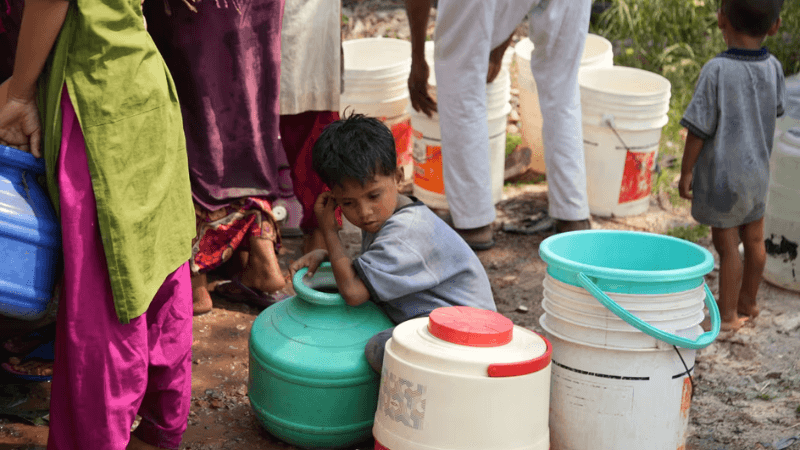
The deportations, which took place over recent weeks, come at a precarious time when violence in Myanmar continues unabated and Bangladesh is already overwhelmed with over a million displaced Rohingya. India’s actions, say rights advocates, have put vulnerable people directly back in harm’s way.

“Sending Rohingya back to countries where they face persecution is not just immoral—it’s illegal under international law,” said Meenakshi Ganguly, Deputy Asia Director at Human Rights Watch. “India may not be a signatory to the UN Refugee Convention, but it is still bound by the principle of non-refoulement. This is a humanitarian failure.”
While the Supreme Court of India recently upheld the government’s right to deport undocumented migrants, asserting that the constitutional right to reside applies only to citizens, critics argue that the judiciary has turned a blind eye to India’s responsibilities under international covenants it has ratified.
“Even if India isn’t part of the Refugee Convention, it has ratified the International Covenant on Civil and Political Rights, which guarantees protection from arbitrary expulsion and persecution,” said constitutional expert Faizan Mustafa. “This is a narrow, nationalistic interpretation of the law with devastating human consequences.”
Observers say the deportation of the predominantly Muslim Rohingya community highlights the selective nature of India’s refugee and citizenship policies. The 2019 Citizenship Amendment Act (CAA), which offers fast-tracked citizenship to non-Muslim minorities from Afghanistan, Bangladesh, and Pakistan, has further fueled allegations of systemic discrimination.
“It’s no coincidence that persecuted Muslim refugees are being expelled while Hindus, Sikhs, and others are welcomed under the CAA,” said Kavita Krishnan, a noted activist. “This isn’t about national security—it’s about a communal political agenda that scapegoats the most vulnerable.”

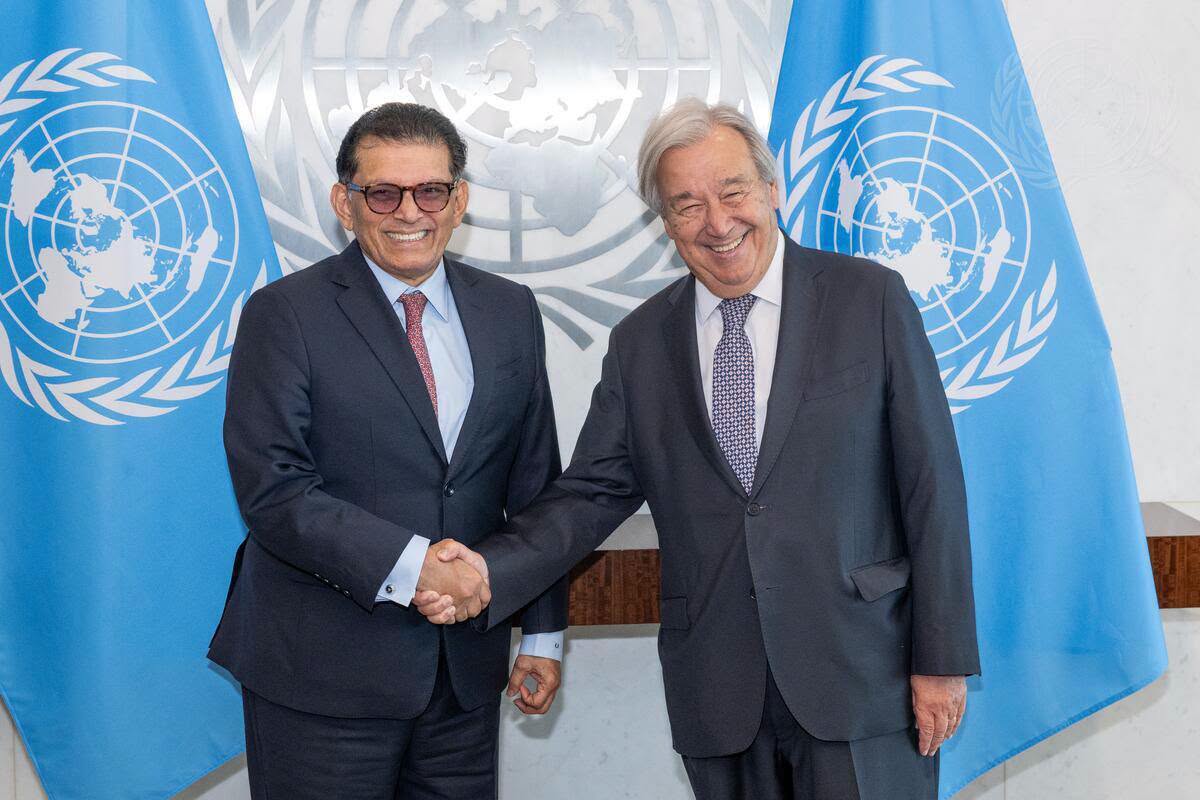
The United Nations has also voiced concern. In a joint statement, UN human rights experts condemned the deportations, warning that such actions “expose individuals to grave risks” and reflect “a failure of India's legal framework to uphold refugee protection norms.”
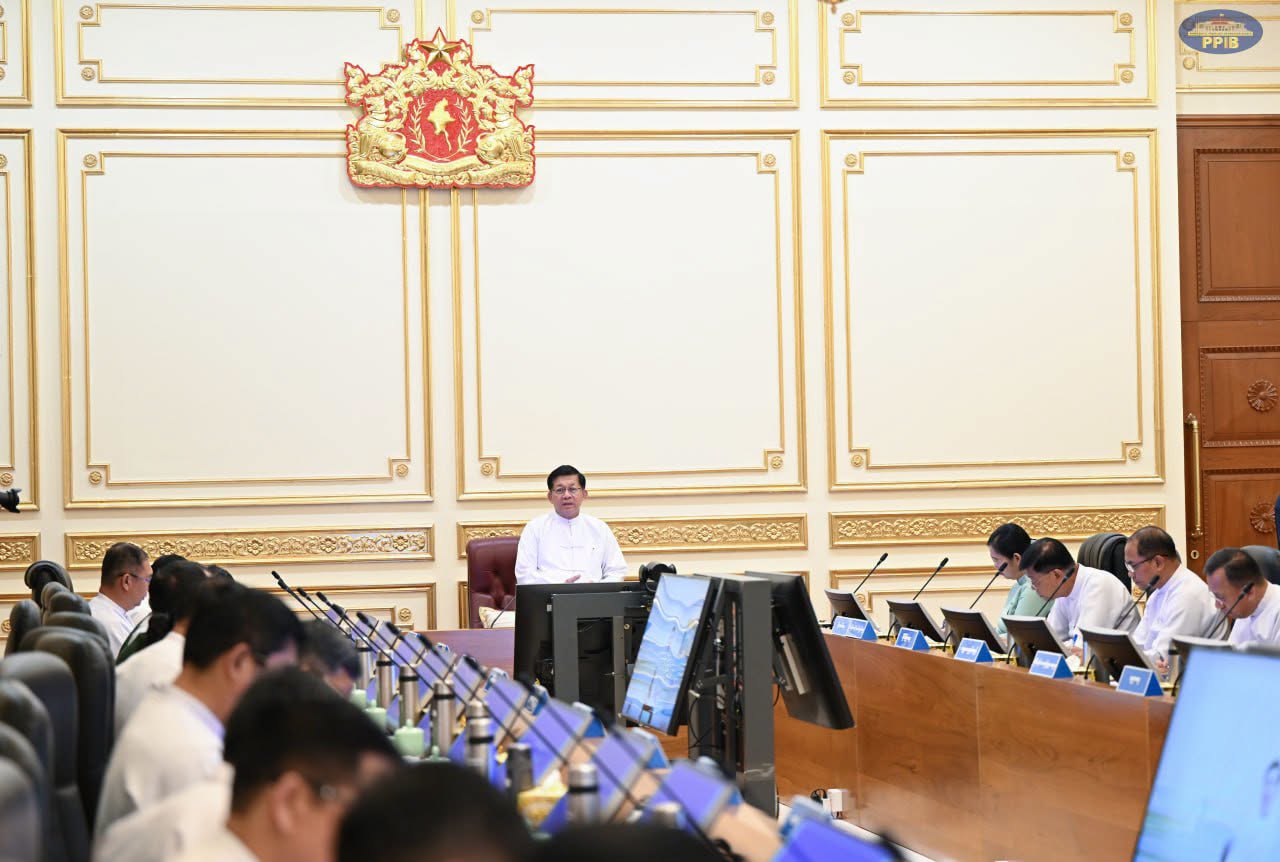
Bangladesh, already hosting nearly 1.2 million Rohingya in congested camps in Cox’s Bazar, has expressed diplomatic frustration over India’s unilateral decisions. Meanwhile, Myanmar remains unsafe for returnees, with the military junta accused of continued atrocities against ethnic minorities, including the Rohingya.
With no clear resettlement plans and increasing hostilities at India’s borders, civil society groups are calling on the Indian government to halt further deportations and establish a transparent asylum process in collaboration with the UNHCR.
“In a region plagued by instability, India should lead with compassion, not cruelty,” said Rohingya lawyer and activist Aung Kyaw Min, currently based in New Delhi. “This is not just a legal crisis—it’s a moral one.”
Bob post