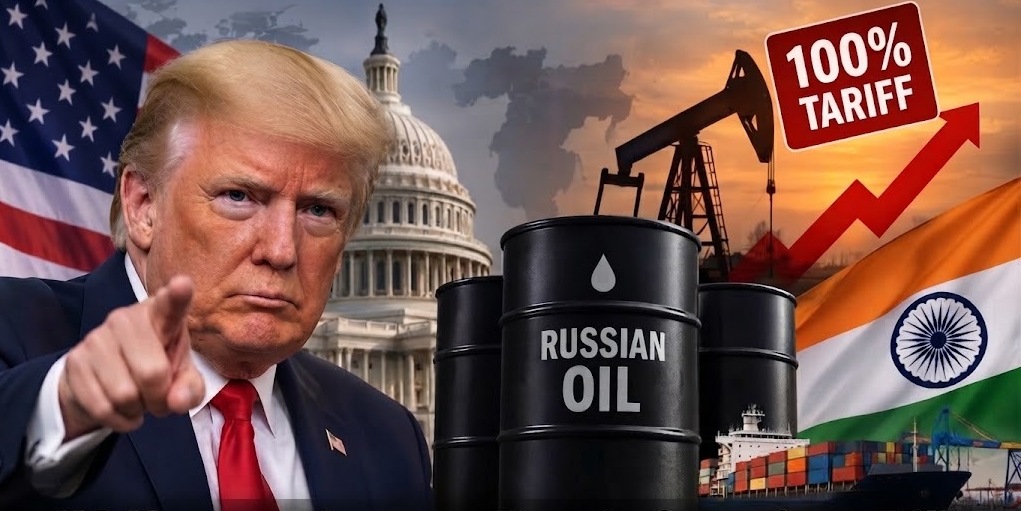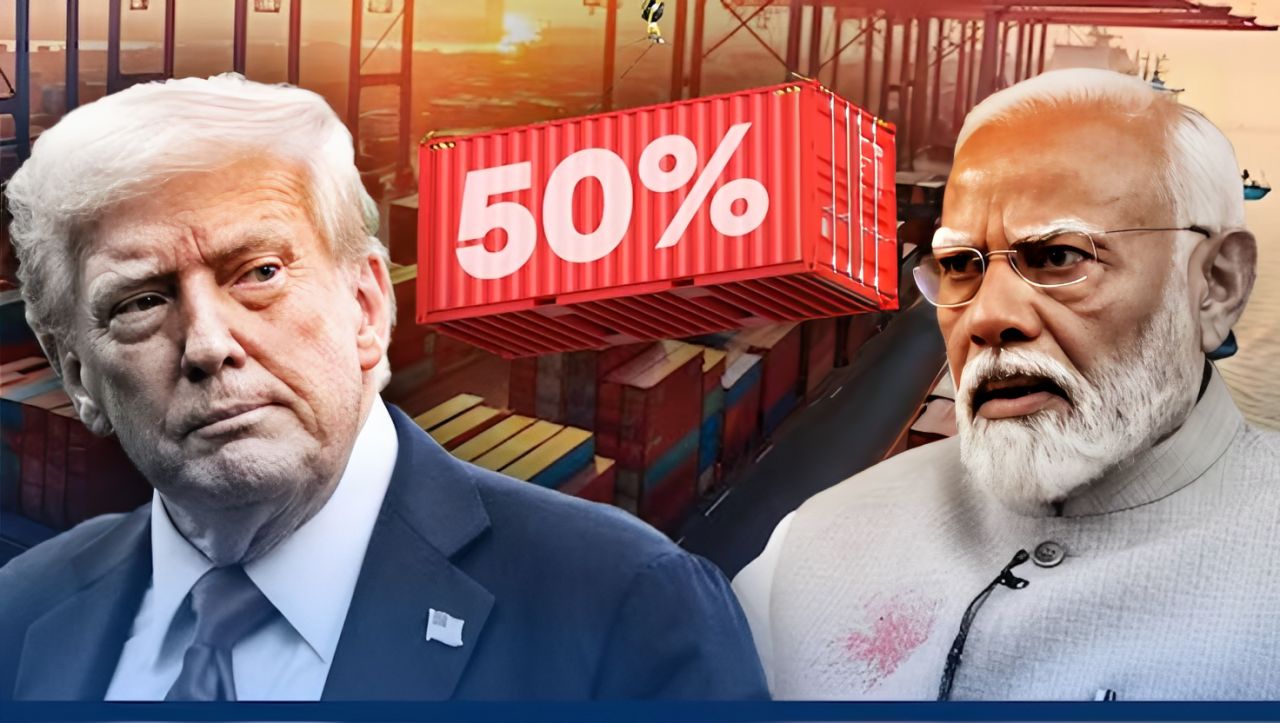
In a bold move with deep geopolitical undertones, U.S. President Donald J. Trump has announced a steep increase in tariffs on Indian goods- raising the rate from 25% to a staggering 50%. This dramatic policy shift is the culmination of months of diplomatic tension and Washington’s growing frustration over New Delhi’s close economic ties with Moscow, particularly in the energy sector. For regional players like Bangladesh, Pakistan, Sri Lanka, and others, this sudden shake-up offers a rare and strategic opening to expand their footprint in the American market.
President Trump had previously issued a stark warning to India; if it continued purchasing Russian oil, the United States would retaliate economically. India, citing economic necessity, pressed ahead with discounted crude deals from Moscow. That defiance has now triggered a punitive response from Washington — one that could reshape trade dynamics across South Asia.

This tariff hike is not merely an economic lever; it’s a geopolitical signal. It punishes India for ignoring U.S. red lines and serves as a warning to other nations trying to navigate relationships with both Washington and Moscow. But while the move deals a blow to India’s export ambitions, it simultaneously opens up space in the highly competitive U.S. market- space that rival exporters are now preparing to fill.
India’s export sector is staring down the barrel. With over $80 billion in annual exports to the U.S., sectors like textiles, pharmaceuticals, automotive parts, machinery, and jewelry will be directly hit. Indian goods, already facing stiff global competition, are now 50% more expensive in the U.S. market- a price hike that most American importers and consumers will be unwilling to bear.
This is where opportunity knocks for India’s neighbors. Competitor nations like Bangladesh, Pakistan, and Sri Lanka all with growing export sectors are now eyeing this moment as their chance to gain market share.
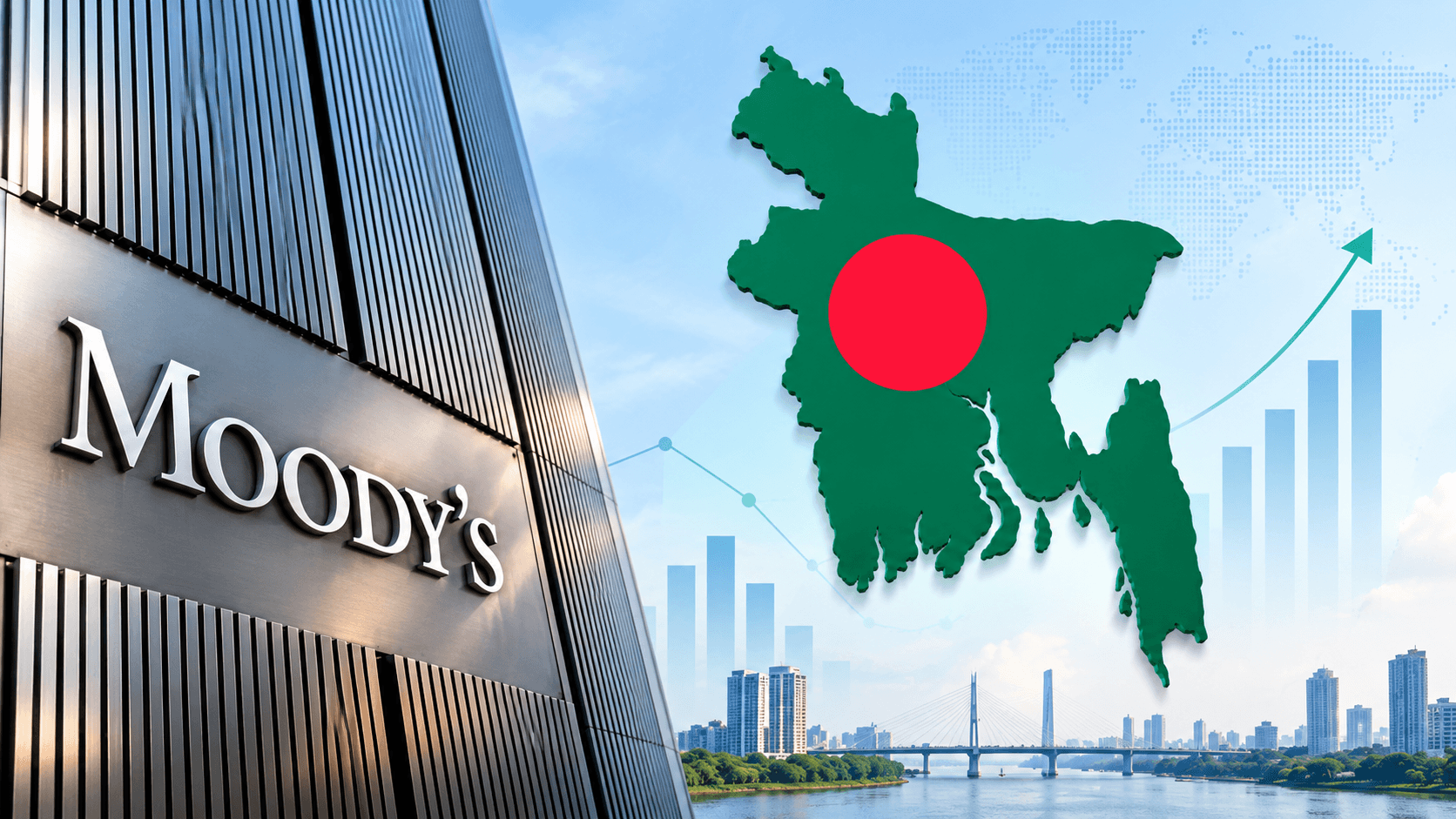
Bangladesh, in particular, is well-positioned to step into the gap, especially in the apparel, textile, and light manufacturing sectors. Already the second-largest apparel exporter in the world, Bangladesh can offer U.S. buyers similar quality at lower prices, with strong compliance standards and an established reputation. If Dhaka acts decisively- improving customs procedures, offering incentives to exporters, and expanding capacity,it could quickly attract redirected orders from American buyers.
But Bangladesh isn’t alone. Pakistan, with its competitive textiles and emerging IT sector, will also seek to benefit. Despite political challenges, it has strong existing trade ties with the West and may aggressively push to capture low-cost export contracts. Sri Lanka, with a reputation for high-end garments and ethical production practices, can appeal to niche American brands looking to avoid cost spikes from India.
The point is this: India’s loss has created a vacuum. And that vacuum will not remain empty for long.
This moment represents a classic case of trade re-routing. When a dominant supplier becomes commercially unviable, buyers look to nearby markets for replacements. South Asia is rich in export talent - from Bangladesh’s booming RMG sector, to Pakistan’s sports goods and IT hubs, to Sri Lanka’s growing specialty industries. These nations must now view this not as an opportunistic windfall, but as a challenge to scale up, streamline logistics, and present themselves as reliable alternatives.

Bangladesh, especially, should avoid complacency. While the situation favors Dhaka on paper, the actual gains will depend on policy agility and international diplomacy. Engaging U.S. lawmakers and trade bodies to restore GSP privileges or negotiate preferential access for targeted sectors could offer long-term dividends. Bangladesh must also market itself aggressively as a stable, efficient, and pro-Western manufacturing base.
Additionally, Dhaka should be careful not to appear overtly celebratory or exploitative of India’s predicament. Strategic communication matters. The focus should be on partnership with the U.S., not rivalry with India.
At the same time, policymakers in South Asia must remember that American trade policies are inherently volatile. What is granted today could be revoked tomorrow, especially under a transactional leader like Trump. Therefore, countries hoping to benefit from this shift must focus on building sustainable trade partnerships, not merely chasing short-term wins.
In the broader context, Trump’s tariff decision marks a convergence of geopolitics and commerce- punishing India for its Russia alignment while creating a rare realignment opportunity in the U.S.-South Asia trade corridor.
For India, this is a costly lesson in diplomatic balancing. For Bangladesh, Pakistan, and Sri Lanka, it’s a strategic opening- a chance to move from the periphery of global trade to the center of American supply chains.
The next moves must be swift, coordinated, and strategic. The doors are open. The question is: Who’s ready to walk through?
BOB Post