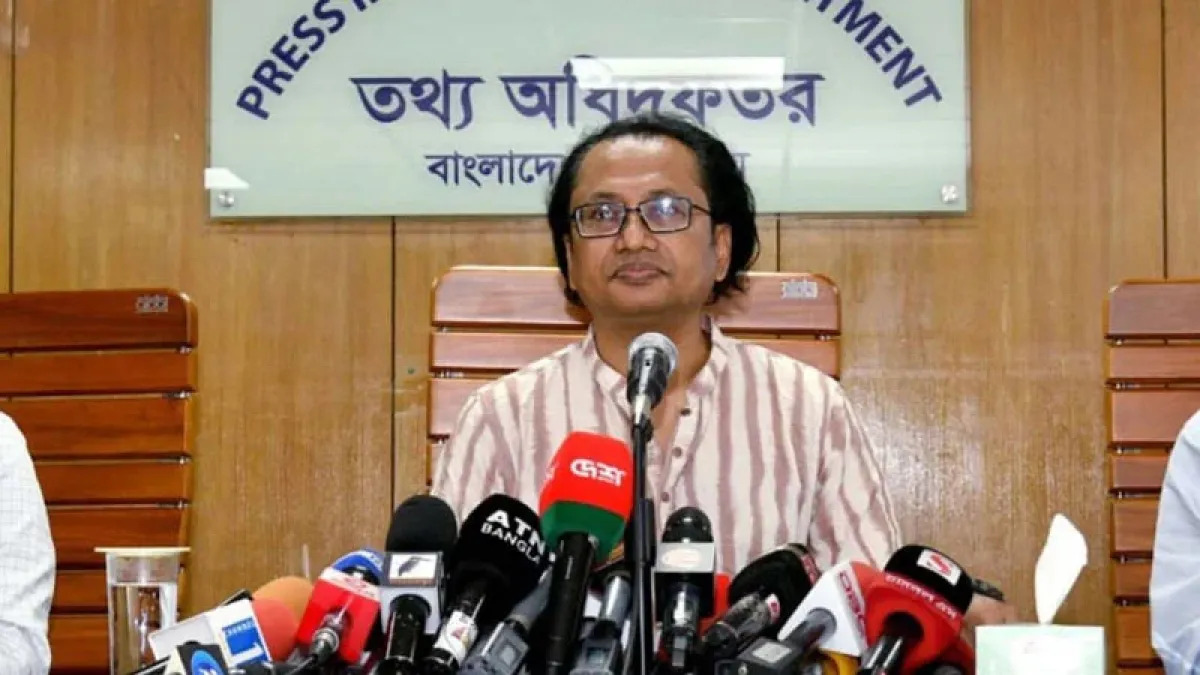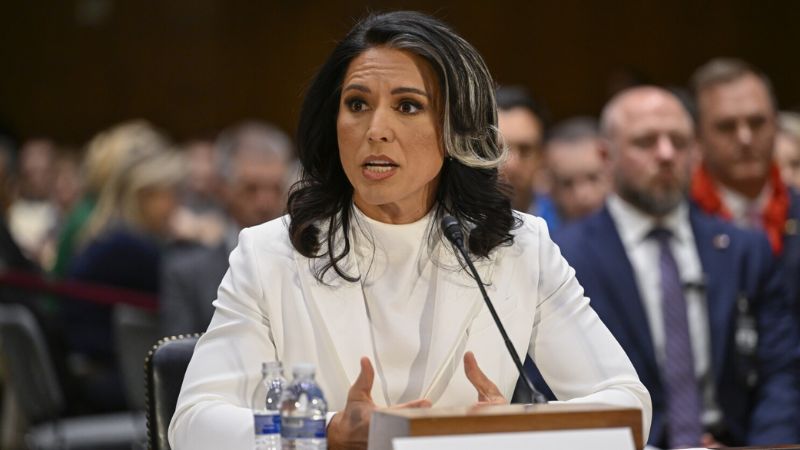
The interim government of Bangladesh has strongly condemned remarks made by U.S. Director of National Intelligence (DNI) Tulsi Gabbard, in which she alleged persecution of religious minorities in Bangladesh and linked the country to an “Islamist caliphate.” In a statement released by the Chief Adviser’s press wing on Monday (March 18), the government asserted that such claims were “misleading and damaging” to Bangladesh’s reputation as a nation committed to peace, stability, and progress.
The government expressed deep concern over Gabbard’s assertions, which suggested that “the threat of Islamic terrorists” in Bangladesh is “rooted” in the ideology and objective of an “Islamist caliphate.” The statement categorically rejected these claims, calling them “groundless” and an unjustified generalization that undermines Bangladesh’s long-standing efforts to combat extremism.
Bangladesh’s Commitment to Counterterrorism
The government emphasized that Bangladesh has actively worked to counter extremism and terrorism in collaboration with the international community, including the United States. Law enforcement measures, social reforms, and counterterrorism efforts have been at the forefront of the country’s strategy to maintain peace and security.
“Bangladesh, like many nations around the world, has faced challenges related to extremism, but our approach has always been rooted in law enforcement and constructive partnerships,” the statement said. It also highlighted the nation’s historically inclusive and peaceful practice of Islam, which contradicts the characterization presented by Gabbard.
Inappropriate and Harmful Remarks
The government condemned the remarks as inappropriate, emphasizing that such unfounded allegations can reinforce harmful stereotypes, escalate fears, and even contribute to sectarian tensions. Political figures and international leaders, the statement stressed, have a responsibility to base their assertions on evidence rather than conjecture.
“Gabbard’s comments are not based on any evidence or specific allegations. They paint an entire nation with a broad and unjustified brush,” the statement noted.
Furthermore, such statements risk damaging Bangladesh’s image on the global stage, particularly when the country has made “remarkable strides” in tackling terrorism and religious extremism. The government urged global leaders to engage in fact-based, respectful discourse rather than making allegations that could undermine shared efforts to ensure regional and international security.
Call for Constructive Dialogue
Reaffirming its commitment to global peace and security, the interim government stated that Bangladesh remains open to constructive dialogue based on facts and mutual respect. It reiterated its dedication to maintaining sovereignty while working with international partners to uphold stability.
“In support of our shared global efforts to combat extremism and terrorism, the Interim Government of Bangladesh remains committed to engaging in constructive dialogue based on facts and on respect for the sovereignty and security of all nations,” the statement concluded.
The government’s response underscores the need for responsible discourse in global politics and warns against inflammatory rhetoric that could undermine international cooperation.
BOB Post