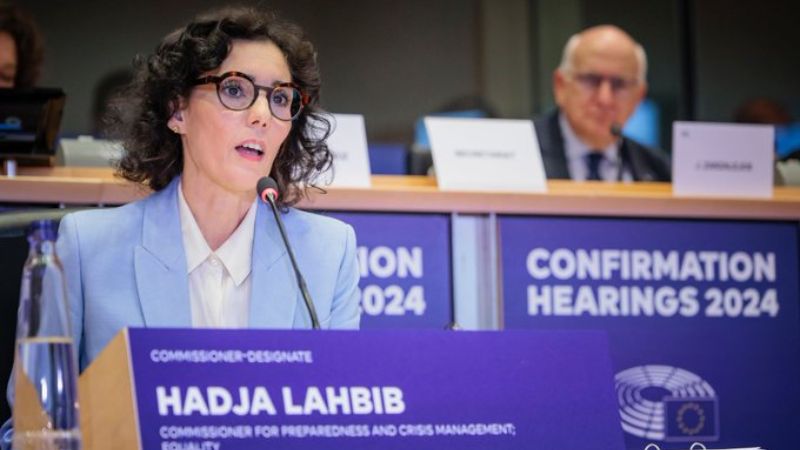
European Union (EU) Commissioner for Equality, Preparedness, and Crisis Management Hadja Lahbib has assured Bangladesh of applying both political and economic pressure on Myanmar to ensure a sustainable resolution to the Rohingya crisis.
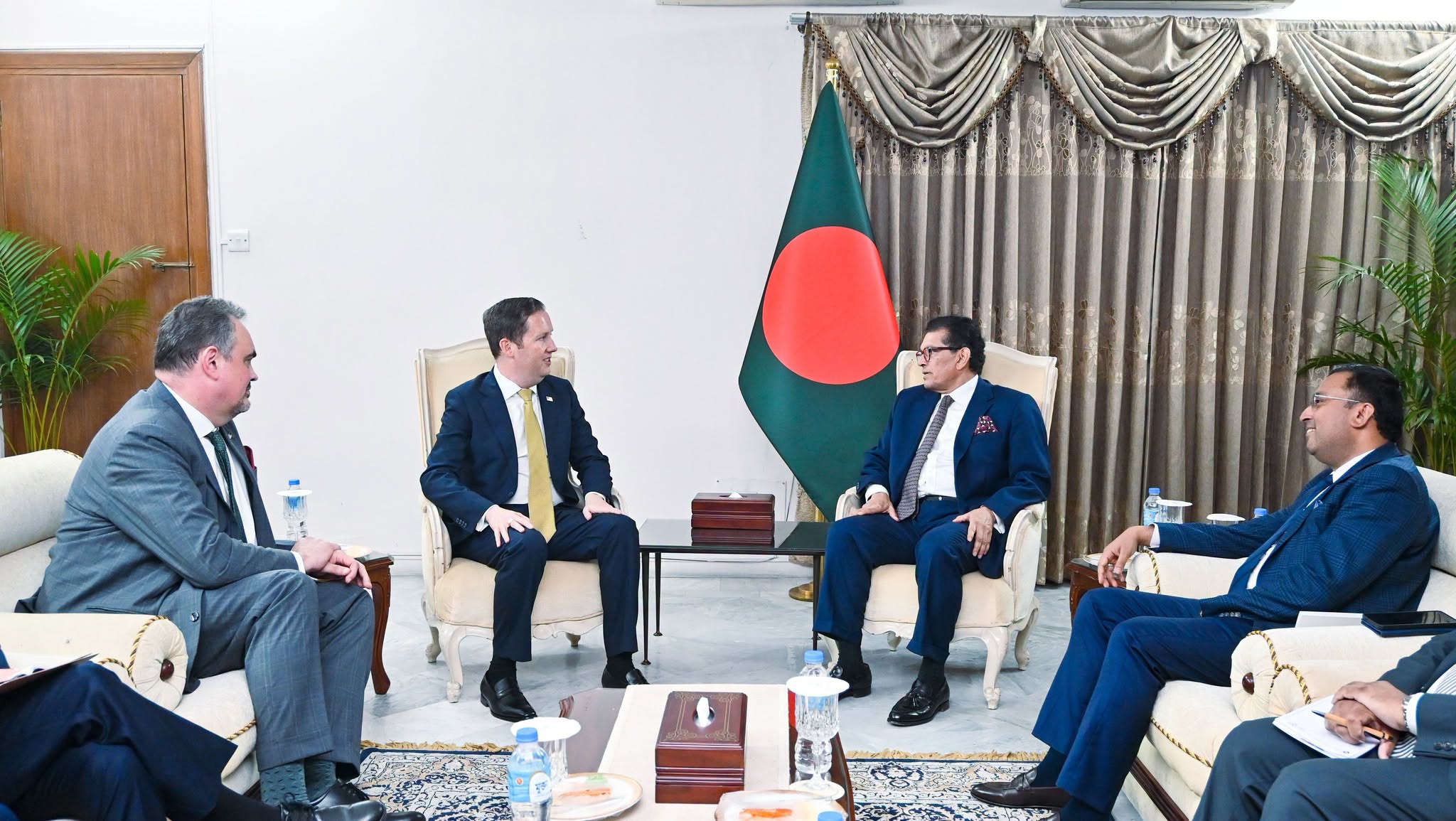
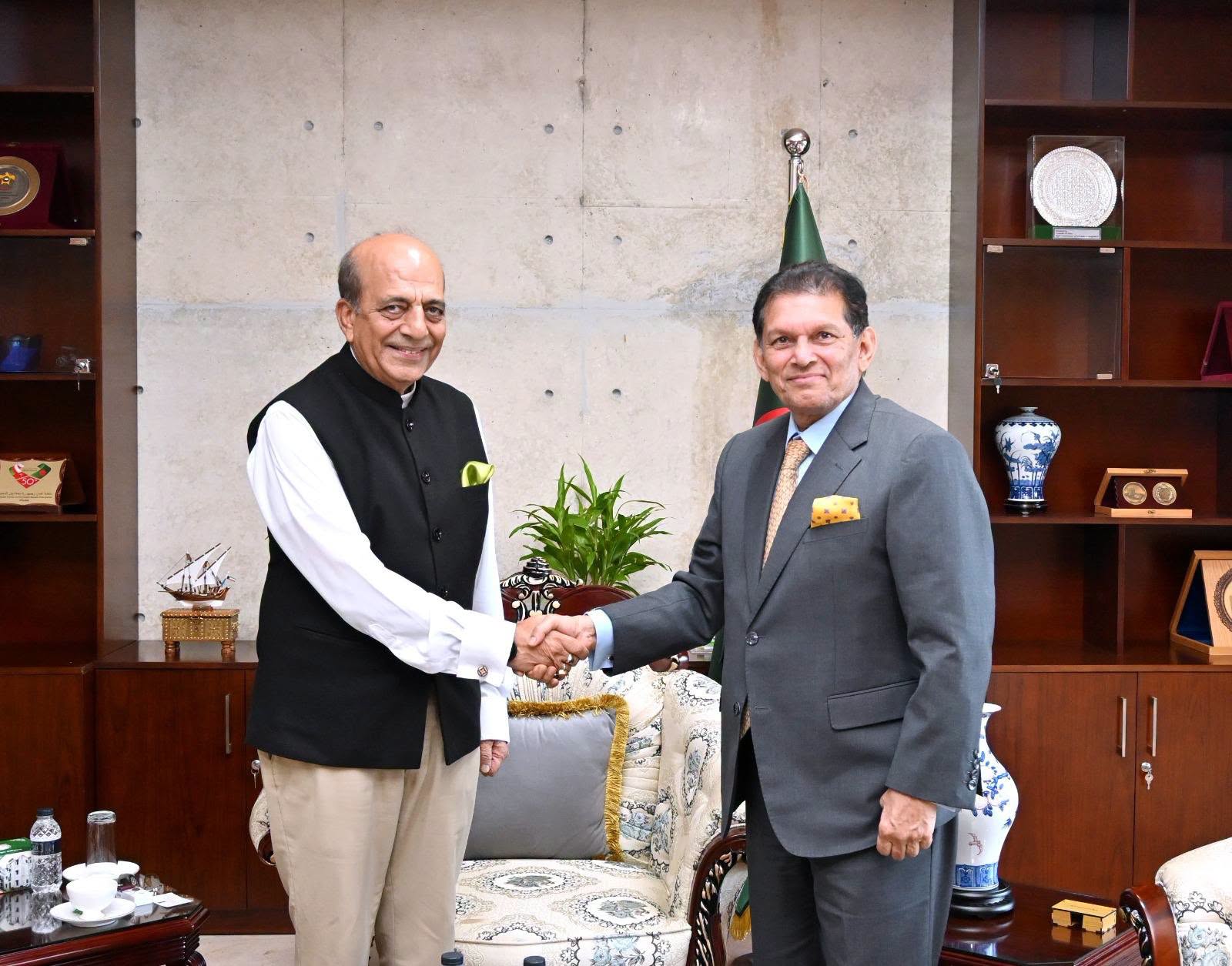
During a meeting with Bangladesh’s Foreign Affairs Adviser Md Touhid Hossain at the Foreign Ministry on Monday, Lahbib reaffirmed the EU’s commitment to supporting both the Rohingya refugees and the Bangladeshi host communities. She announced that the EU would allocate €68 million this year to aid the displaced population in Cox’s Bazar.
The EU Commissioner, who visited the Rohingya camps, praised Bangladesh for its humanitarian efforts in hosting over a million refugees despite economic and logistical challenges. She also expressed strong support for Bangladesh’s initiative to organize the High-Level Conference on Rohingyas, set to be held in New York in October 2025.
Additionally, Lahbib assured Bangladesh of the EU’s backing for the country’s Interim Government and its ongoing reform initiatives. She emphasized the importance of fostering new partnerships to address pressing challenges, including regional stability and humanitarian assistance.
Foreign Affairs Adviser Md Touhid Hossain, in response, welcomed the EU’s commitment but reiterated concerns over Myanmar’s deteriorating political situation, which has exacerbated the Rohingya crisis and threatens regional security. He stressed that the only sustainable solution is the safe, dignified, and voluntary repatriation of the Rohingyas to Myanmar and urged the international community to take decisive action.
Both sides also discussed enhanced cooperation in disaster management and preparedness, considering the increasing frequency of extreme weather events in both Europe and Bangladesh. Adviser Hossain highlighted Bangladesh’s expertise in disaster response and sought further technical and financial assistance from the EU to strengthen resilience.
Before concluding her visit, Commissioner Lahbib met with Bangladesh’s Chief Adviser and is scheduled to depart Dhaka later this evening.
Why the International Community Must Provide Moral Support for Rohingya Repatriation?
While financial aid and diplomatic pressure are crucial, the international community must also extend moral and political support to ensure the Rohingyas' safe return to Myanmar. Decades of statelessness, persecution, and forced displacement have left the Rohingya people without a homeland, making their repatriation a global human rights responsibility rather than just a regional issue.
The moral obligation stems from the 2017 military crackdown in Myanmar, which UN investigators described as genocide. The continued displacement of over a million people is a failure of the global community to uphold justice and international law. Without strong diplomatic backing, Myanmar’s military regime is unlikely to create conditions for a safe, voluntary, and sustainable return.
Additionally, Bangladesh has shouldered an enormous humanitarian burden with limited resources. If the international community does not maintain pressure, Bangladesh’s ability to continue hosting the refugees without social and economic destabilization will be at risk. Furthermore, regional security threats may worsen if the crisis remains unresolved, potentially leading to further displacement and instability in South Asia.
Thus, beyond financial and logistical support, the international community must take a principled stand—demanding accountability from Myanmar, ensuring human rights protections, and supporting diplomatic efforts to create conditions for the Rohingyas’ return. Without moral and political resolve, the cycle of displacement and suffering will persist indefinitely.
BOB Post