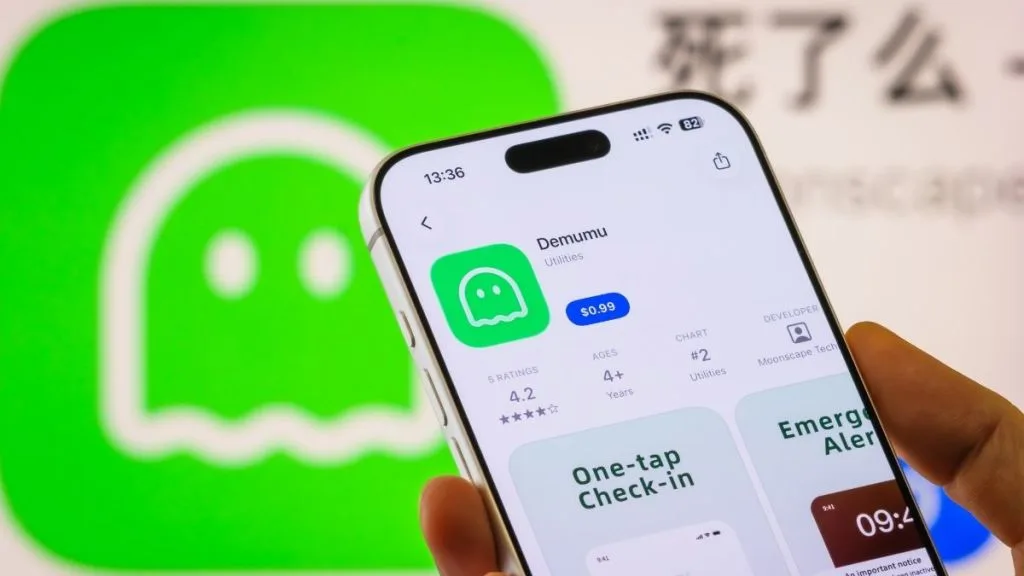
A bluntly named mobile application has surged in popularity across China, igniting widespread discussion about loneliness, safety and the realities of living alone in an increasingly urbanized society.
The app, called “Sileme” in Chinese which translates directly as “Are You Dead?” has climbed rapidly up app store charts after resonating with millions of solo dwellers seeking a simple form of reassurance. Marketed as a lightweight safety tool, the app targets students, young professionals and others who live alone by choice or circumstance.
Users are required to open the app regularly to confirm their wellbeing and designate one emergency contact. If a user fails to check in for several consecutive days, the app automatically notifies the nominated contact that something may be wrong.
The concept has struck a chord in China, where single-person households are becoming increasingly common. The country is estimated to have around 200 million people living alone, with more than 30% of adults now residing in single-person homes a trend driven by urbanization, delayed marriage, rising housing costs and an ageing population. According to Free Malaysia Today, analysts say the app’s rapid adoption reflects broader anxieties over personal safety and social isolation in modern Chinese society.

Developed by Moonscape Technologies, a small startup founded by three entrepreneurs born after 1995, the app has briefly topped Apple’s paid app rankings in China before settling at second place. It has also performed strongly in overseas markets such as Hong Kong, where it ranks among the top paid utility apps.
“Thanks to all netizens for their enthusiastic support,” the developers wrote on social media. “We were originally just an unknown small team, co-founded and independently operated by three people.”
As downloads surged, the company announced it would introduce an eight-yuan fee (about RM13) to help cover rising operating costs. The app is already priced at around HK$8 (RM4.80) on Apple’s App Store in Hong Kong.
The developers have also revealed plans to launch a global version of the app under a new name, “Demumu”, citing the need for a more internationally acceptable brand. The rebranding has proven controversial, with many users urging the company to keep the original name, arguing that its shock value is central to its appeal. Others proposed gentler alternatives such as “Are You Alive?” or “Are You There?”.
Supporters of the app say it provides peace of mind for those who may not have daily contact with family or friends, particularly unmarried individuals and migrant workers living far from relatives.
Beyond its novelty, the app’s success has highlighted deeper social changes. Observers say it underscores growing concerns about loneliness, safety and social disconnection among younger urban residents and elderly people living alone.
Moonscape Technologies has indicated it is exploring a separate product tailored specifically for older users, as more than 20% of China’s population is now over the age of 60.
“We hope more people will pay attention to elderly individuals living at home,” the company said in a recent post. “They deserve to be seen, respected, and protected.”
While questions remain about the app’s long-term sustainability, its viral rise has clearly tapped into a shared unease and sparked a wider conversation about how technology is stepping in to fill the gaps left by changing family structures and lifestyles in contemporary China.
BOB Post