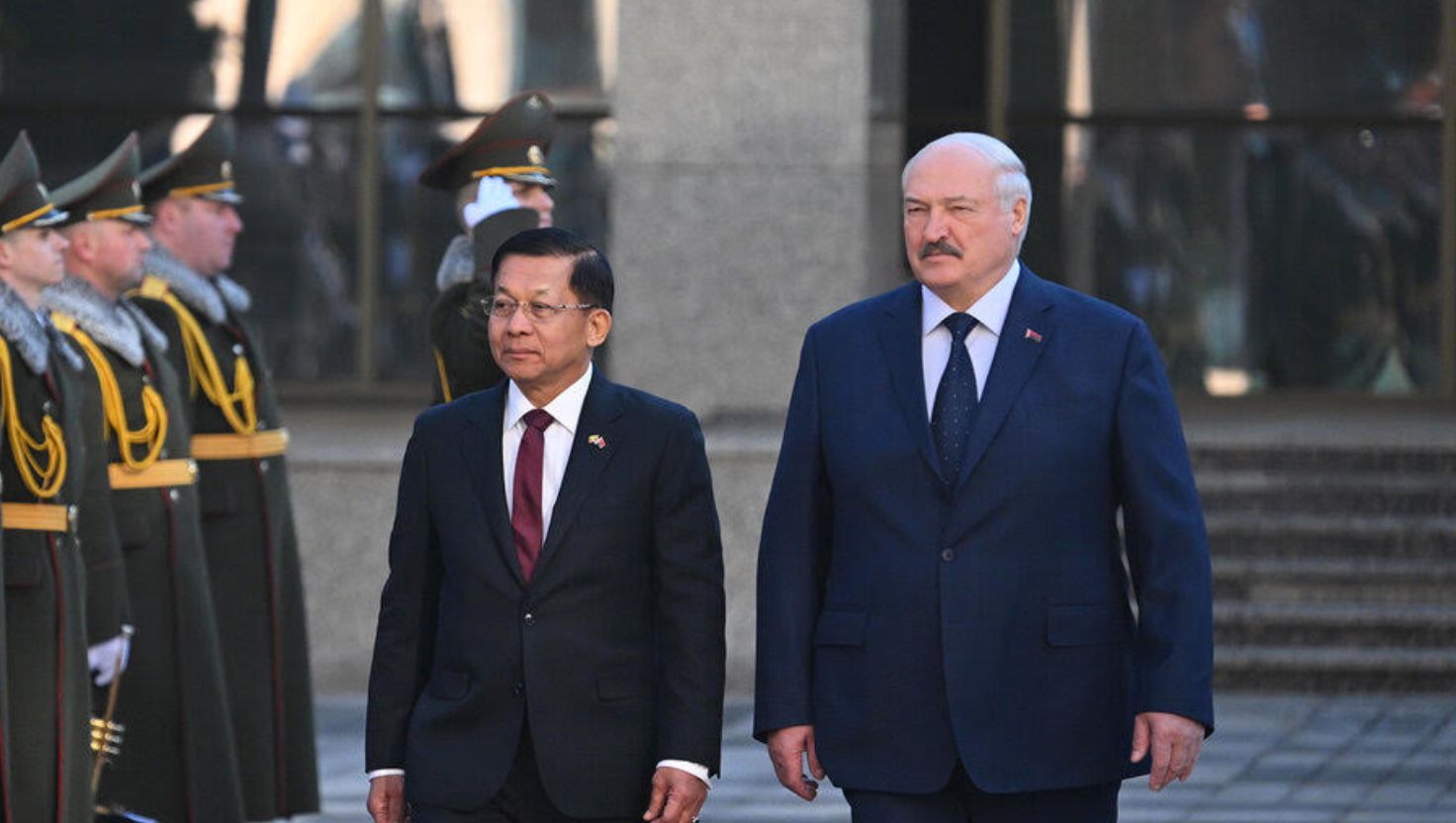
Belarusian President Aleksandr Lukashenko has ratified a bilateral agreement with Myanmar focused on the mutual protection of classified information, according to state-run Belarusian Telegraph Agency (BelTA). The accord, which builds on long-standing ties between the two authoritarian governments, aims to facilitate the secure exchange of sensitive data across military, technical, scientific, and strategic domains.
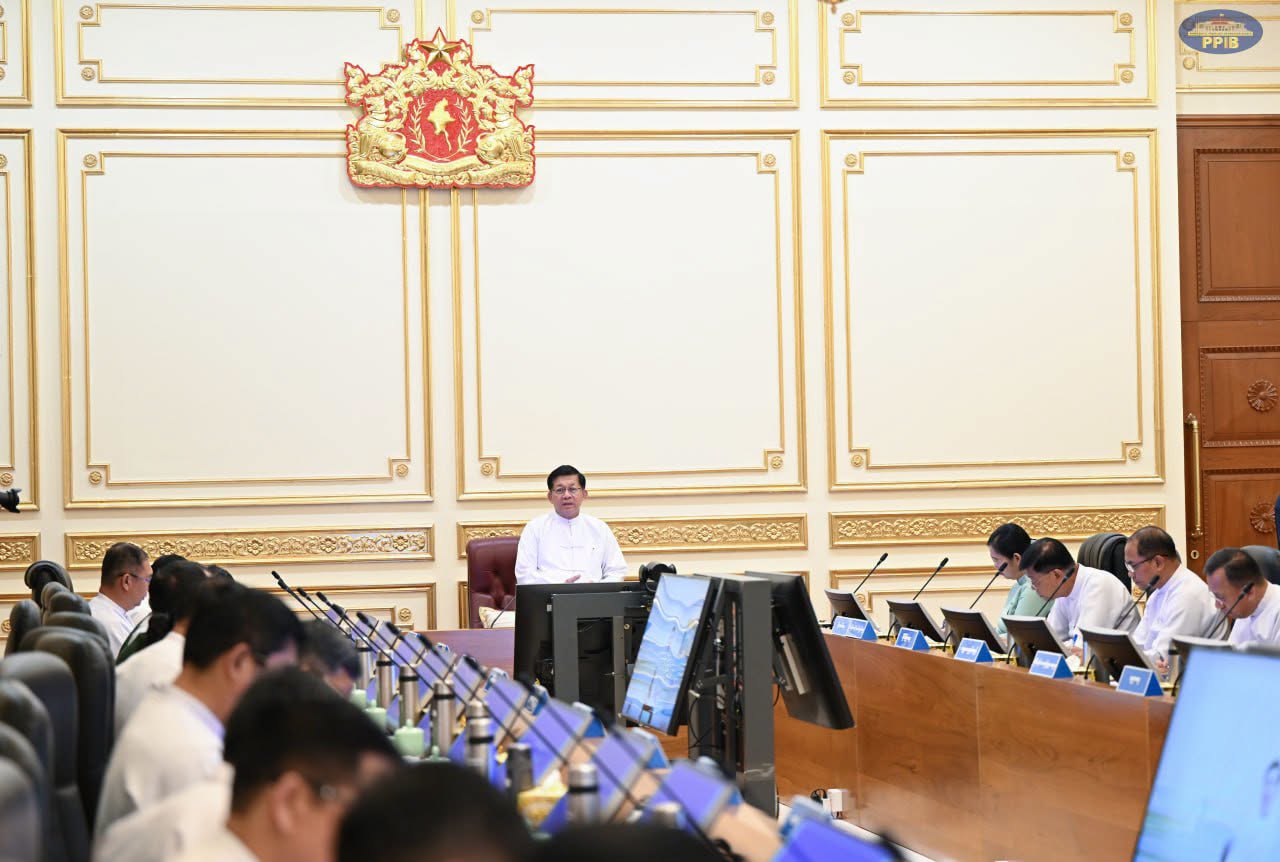
Titled “On ratification of the agreement between the Republic of Belarus and the Republic of the Union of Myanmar on mutual protection of classified information,” the deal follows the official visit of Myanmar junta chief Senior General Min Aung Hlaing to Belarus on 7 March 2025. The move is seen as a legal step toward deepening cooperation between the two regimes amid growing international isolation.
Belarusian and Myanmar officials claim the agreement will boost state-level trust and reinforce strategic cooperation, particularly in military and technological sectors. However, analysts note that such developments further entrench a controversial partnership that has drawn condemnation from human rights groups and democratic governments worldwide.
The Belarus-Myanmar relationship has long been rooted in arms deals and military support. Following Myanmar’s 2021 military coup, Belarus was the only country to vote against a UN General Assembly resolution calling on all member states to prevent the flow of weapons into Myanmar. The resolution demanded an end to the junta’s brutal crackdown on civilians and a return to democratic governance.
Belarus also stood alone in June 2021 when it voted against a UN resolution urging the cessation of violence and the restoration of democratic order in Myanmar. Observers viewed this as a clear signal of Minsk's political and military alignment with the junta.
Critics argue that the new classified information pact further emboldens Myanmar’s military regime, which has been accused of widespread atrocities against civilians, including the Rohingya community. If Belarus believes the deal provides a strategic or security benefit to Myanmar, some suggest Minsk should also accept responsibility for its participation in Myanmar's ongoing crises — including the plight of more than a million displaced Rohingya refugees.
“This agreement isn't just about state secrets — it’s about shared complicity,” said one regional analyst. “Belarus is not just a passive ally. By protecting the flow of sensitive information and shielding arms cooperation, it becomes an active participant in Myanmar’s oppression.”
The deepening ties between Minsk and Naypyidaw highlight the growing alignment of regimes facing international condemnation. For Myanmar’s generals, Belarus offers continued military support and technical assistance. For Lukashenko’s Belarus, the relationship helps break the isolation imposed by Western sanctions — even if it means doubling down on support for a regime accused of crimes against humanity.
BOB Post