Foreign Minister Dr. Khalilur Rahman has reiterated Bangladesh’s unwavering commitment to revitalising the process of the South Asian Association for Regional Cooperation (SAARC), underscoring Dhaka’s readiness to take proactive initiatives to strengthen regional cooperation in South Asia.
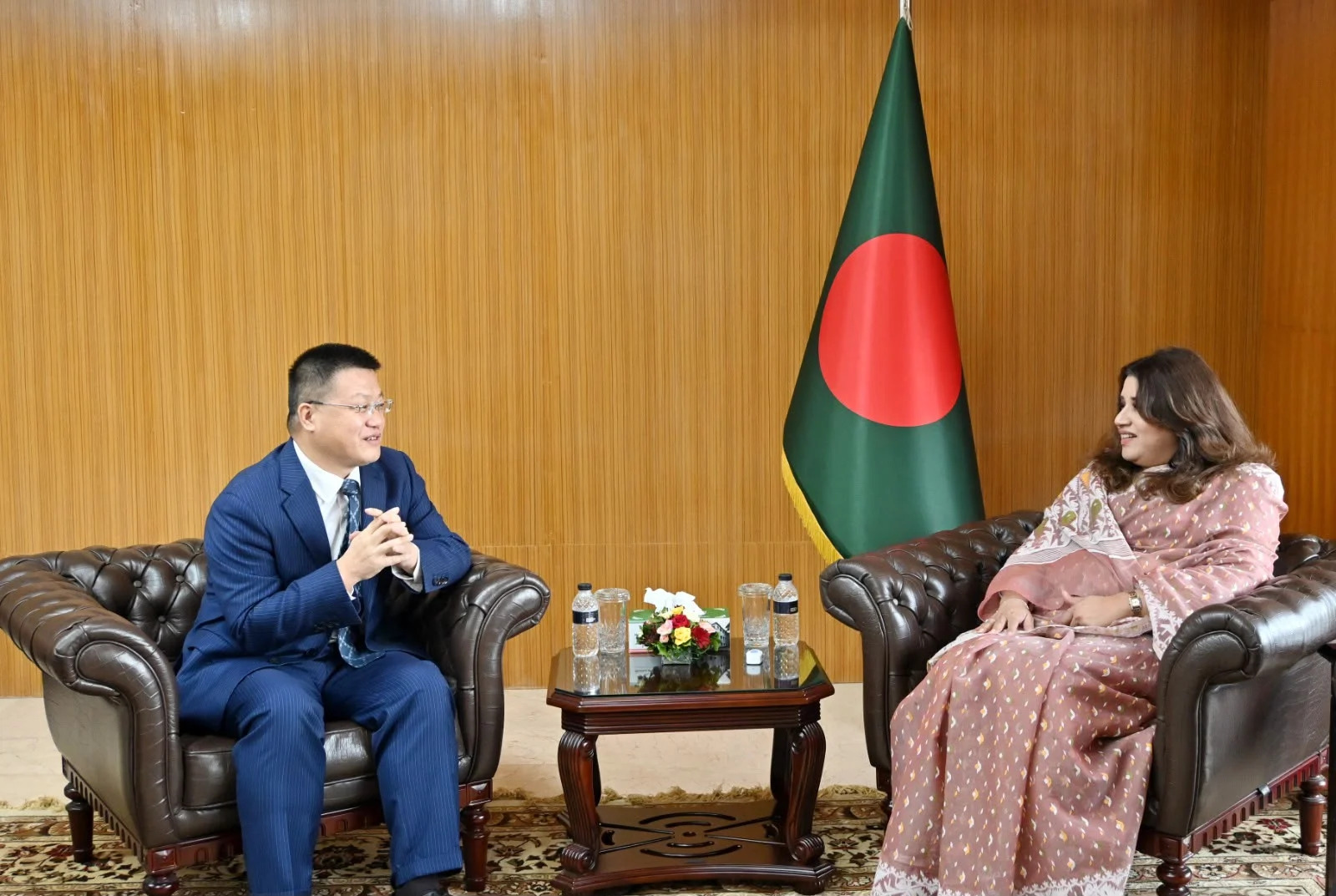
The reaffirmation came during a courtesy call on the Foreign Minister by SAARC Secretary General Md. Golam Sarwar on February 24. During the meeting, Dr. Rahman expressed Bangladesh’s firm resolve to work closely with member states to reinvigorate the regional platform and restore its functional momentum.
According to the Ministry of Foreign Affairs, the Foreign Minister stressed Bangladesh’s abiding commitment to the core principles enshrined in the SAARC Charter including sovereign equality, territorial integrity, political independence, non-interference in internal affairs, and mutual benefit of the peoples of member states. He noted that these guiding principles remain fundamental to ensuring mutual trust and meaningful cooperation among South Asian nations.

Dr. Rahman also recalled that the concept of regional cooperation in South Asia was first proposed by Bangladesh in the early 1980s by the country’s late President Ziaur Rahman. The initiative aimed to promote the welfare of the peoples of the region, improve their quality of life, and strengthen collective self-reliance.
As one of the founding members of SAARC and host of the first SAARC Summit in December 1985 as well as subsequent summits in 1993 and 2005, Bangladesh recognises the significant role of the organisation in fostering shared regional values. The Foreign Minister highlighted SAARC’s contributions to cooperation in key sectors such as trade and investment, connectivity, poverty alleviation, energy and power, climate change, food security, education, public health, culture, and people-to-people contacts.
Bangladesh’s renewed diplomatic emphasis on SAARC comes amid ongoing discussions on enhancing regional collaboration to address shared economic and environmental challenges across South Asia. Officials believe that revitalising the regional bloc could help unlock greater economic integration and strengthen collective resilience in the face of global uncertainties.
BOB Post