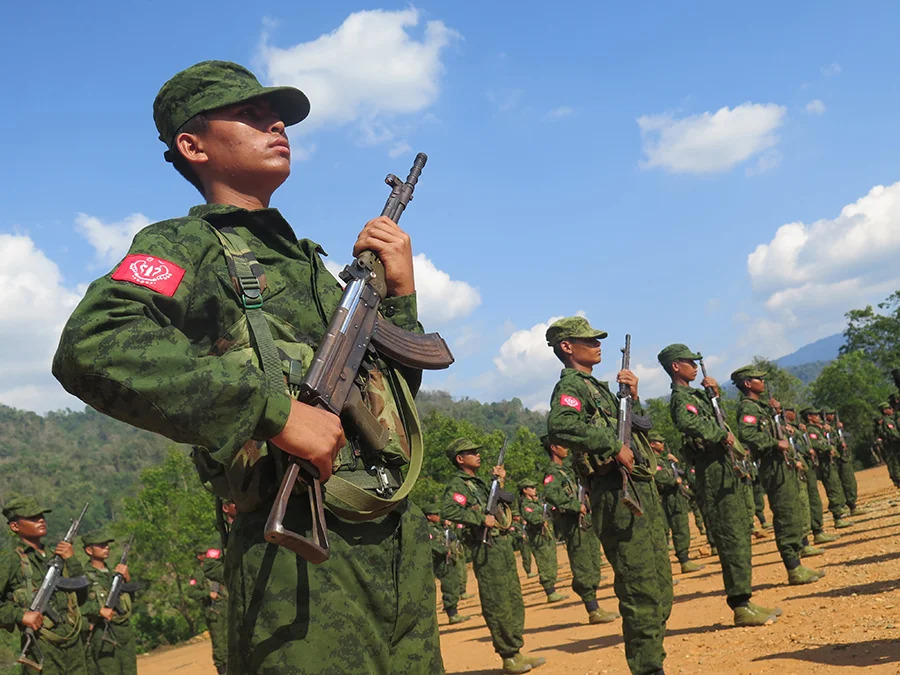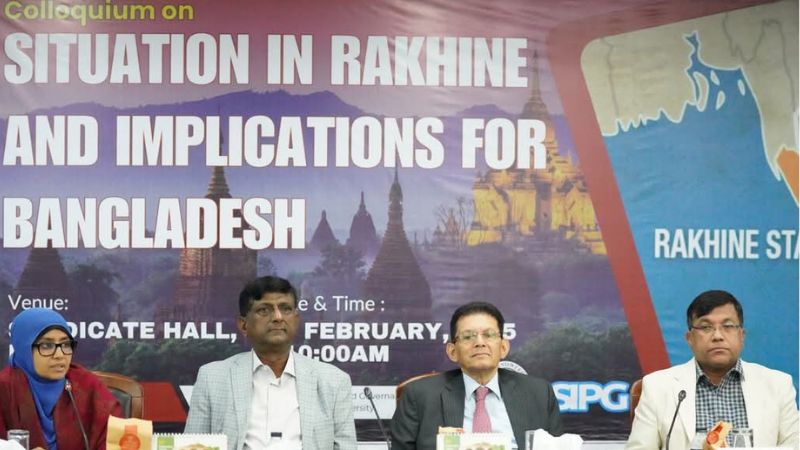
Bangladesh is maintaining contact with the Arakan Army (AA), which now controls approximately 90 percent of Myanmar’s Rakhine State, to safeguard its border and facilitate the long-delayed Rohingya repatriation, a senior official confirmed yesterday(February 27).
Khalilur Rahman, the high representative on the Rohingya issue for the chief adviser, stated that the evolving power dynamics in Rakhine necessitate engagement with the AA.
“The day the AA raised its flag on our border, I instantly realized it’s a new world — you have to deal with them,” he said at a seminar on the Rakhine crisis and its implications for Bangladesh.
The event was organized by the South Asian Institute of Policy and Governance (SIPG) at North South University on Thursday (February 27).
Strategic Engagement with the AA
Since the February 2021 military coup in Myanmar, the country has been engulfed in civil war. The Arakan Army, seeking autonomy in Rakhine, has now taken control of the entire 271-kilometer-long border with Bangladesh. More than a million Rohingya refugees, previously displaced from Rakhine, remain stranded in Bangladesh.
Rahman emphasized Bangladesh’s need to secure its borders and collaborate with whoever holds power on the other side.
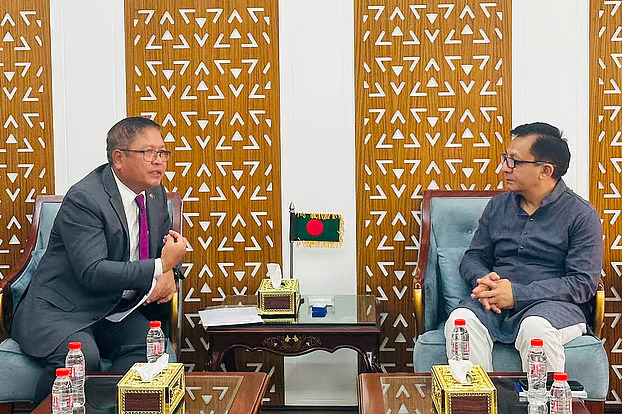
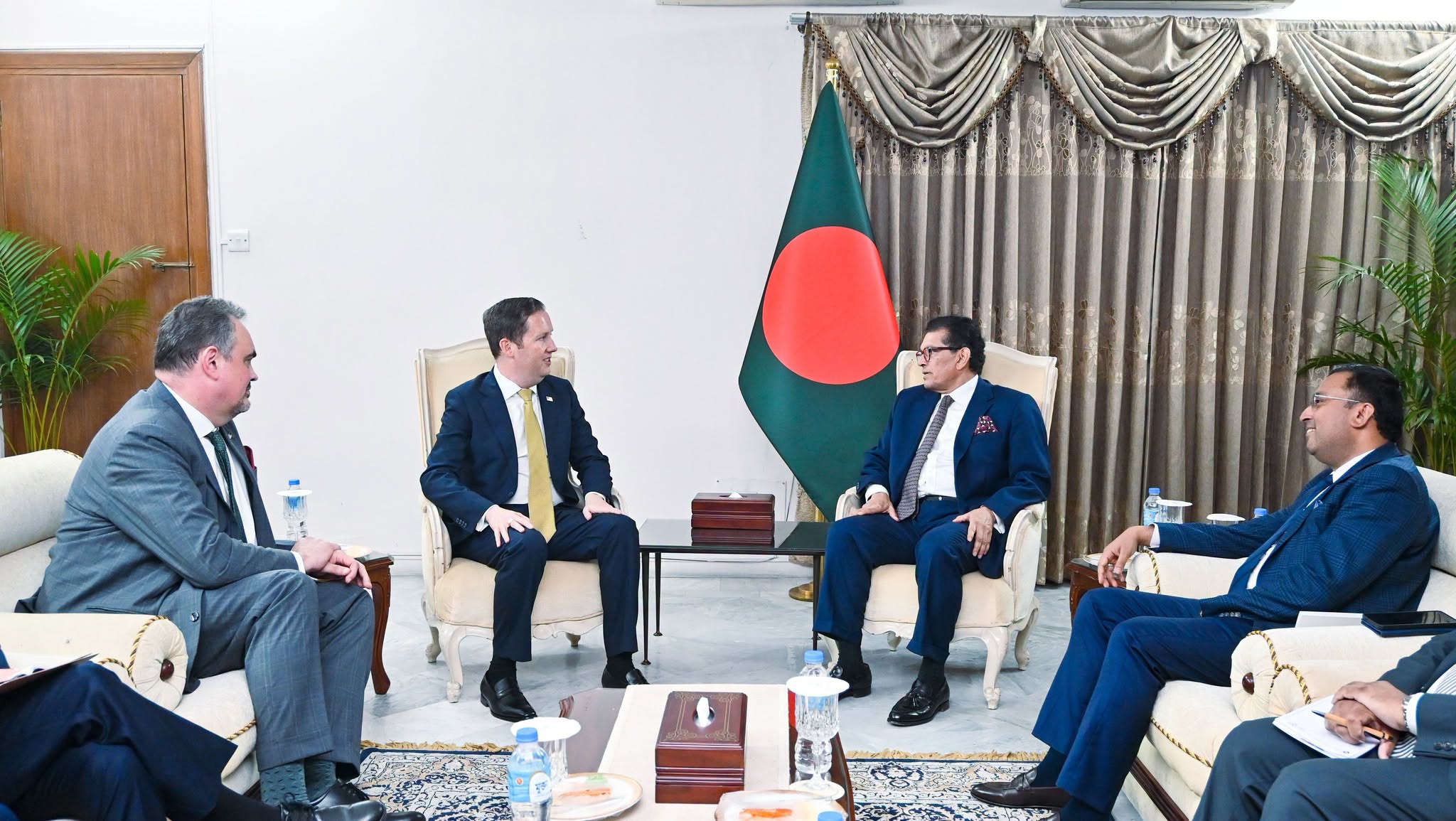
“We reached out to them at a certain level,” he said, revealing that a recent meeting was held with Julie Bishop, the UN Secretary-General’s special envoy on Myanmar, regarding a statement to the AA. The statement urged the AA to adhere to international human rights standards and laws.
“A new neighbor is emerging, and Bangladesh wants to be friendly with them, not dominate them,” Rahman added. He clarified that Bangladesh has no transit or pipeline projects through Rakhine, countering speculation about potential infrastructure initiatives.
Balancing Security, Diplomacy, and Economic Interests
Abdul Hafiz, special assistant to the chief adviser on defense and national solidarity development, stressed the importance of diplomacy backed by strategic deterrence. He reaffirmed that Bangladesh's primary goal is to ensure the safe, dignified, and voluntary repatriation of the Rohingya.
Ambassador Md Sufiur Rahman, a senior research fellow at SIPG, provided an analytical overview of Rakhine’s changing political landscape. He noted that 750,000 people have been displaced, and poverty levels in the region have worsened significantly.
He suggested that Bangladesh could play a stabilizing role by offering humanitarian assistance and fostering economic ties between Chittagong and Rakhine.
“Economic linkages can serve as a pathway to broader cooperation and peacebuilding,” he said.
Sk Tawfique M Haque, director of SIPG, called for a pragmatic policy toward the AA, acknowledging the rapidly evolving situation in Rakhine. He also warned against the slow and silent influx of Rohingya refugees since October 2023.
The Urgency of Rohingya Repatriation
Bangladesh hosts nearly 1.2 million Rohingya refugees, primarily in Cox’s Bazar, placing immense pressure on resources, security, and local communities. The repatriation process, repeatedly stalled due to instability in Myanmar, remains a critical concern.
Failure to ensure a safe return for the Rohingya could lead to prolonged humanitarian and security challenges, including radicalization risks and regional instability. A structured repatriation process, in coordination with both Myanmar authorities and international bodies, is crucial for long-term stability.
A Delicate Diplomatic Balance
Bangladesh's engagement with the AA marks a significant shift in its diplomatic strategy. While Dhaka has historically dealt with Myanmar’s central government, the changing power dynamics in Rakhine require a more flexible approach.
Striking a balance between security, economic cooperation, and diplomatic maneuvering is vital. While Bangladesh must ensure border security and prevent further refugee inflows, fostering economic collaboration with Rakhine could also provide a long-term solution to the crisis.
By maintaining an independent but pragmatic foreign policy, Bangladesh aims to secure its national interests while contributing to regional stability. The unfolding situation in Rakhine will continue to test Dhaka’s diplomatic agility in the coming months.
BOB Post