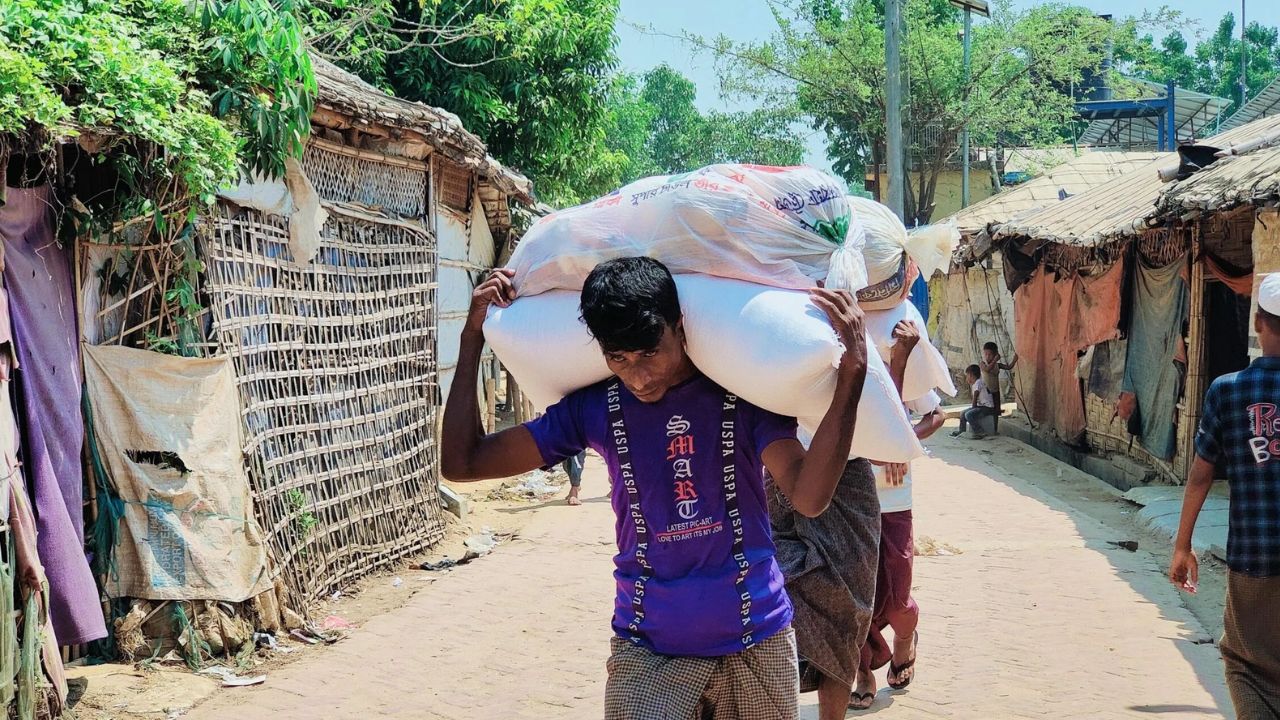
As Bangladeshis mark the main rice-harvesting season in mid-November, the country has decided to share part of its new crop with Rohingya refugees, authorities said on Tuesday.
The move comes amid severe food shortages in the refugee camps caused by dwindling international aid.
The UN’s Joint Response Plan for the Rohingya is currently funded at slightly more than one-third of the total requirement to sustain more than 1.3 million refugees who fled Myanmar during the 2017 military crackdown and took shelter in Bangladesh.
According to a report by Arab News, Bangladesh has announced the donation of 400 metric tons of rice to the Rohingya population in Cox’s Bazar, coinciding with the Nabanna festival,a centuries-old celebration of the first rice harvest of the season.

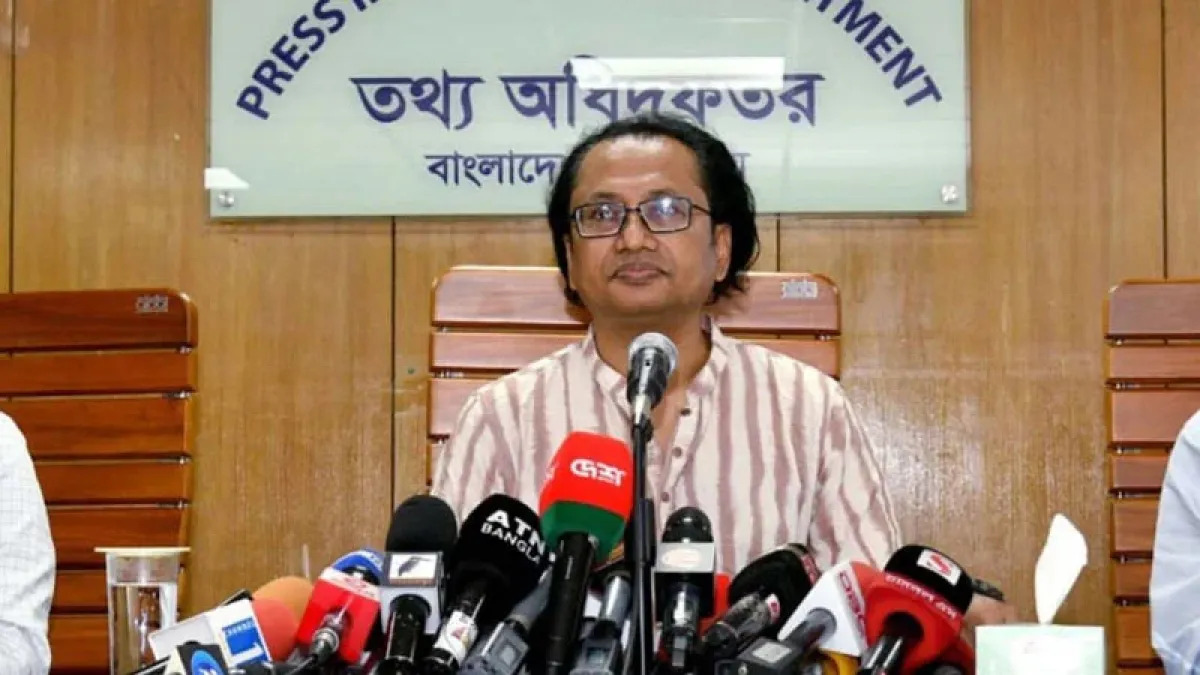
“The Rohingyas have been facing severe crises in recent months due to the fund crunch. In this context, Bangladesh has decided to share 400 metric tons of rice with the Rohingyas on the occasion of Nabanna,” said Mizanur Rahman, Refugee Relief and Repatriation Commissioner in Cox’s Bazar. “Bangladesh will hand over this rice to the World Food Program within a couple of days, and WFP will distribute it through its channels,” he added.
Since 2021, international funding for the refugees has steadily declined, forcing aid agencies to cut back on food, education, and healthcare. The World Food Program, the main provider of food assistance to the Rohingya community, had reduced food rations from $12 to $6 per person earlier this year. Although the original $12 value was restored last month, the sustainability of the assistance remains uncertain, as the 2025-26 Joint Response Plan is only 36 percent funded against its $935 million appeal.
Rahman noted that WFP’s current funding is only assured until March 2026, warning that the situation in the camps is becoming increasingly unstable. “Due to the funding crisis, livelihood opportunities have been further reduced inside the camp areas. To mitigate the shortfall, we are appealing to unconventional donors to contribute to humanitarian operations in the Rohingya camps,” he said. “We are seeking attention from Asian giants and Gulf countries to provide additional support for the Rohingya.”
Hosting the refugees for over eight years, Bangladesh continues to face significant domestic and economic challenges while calling for greater international burden-sharing to sustain humanitarian operations in Cox’s Bazar.
BOB Post