Rice prices in India have jumped by up to 14% within two days after Bangladesh scrapped a 20% import duty on the staple, prompting a surge in cross-border shipments.
Dhaka announced on Wednesday that it would allow duty-free imports of 500,000 tonnes of rice in an effort to stabilise domestic prices, which have already climbed about 16% in the current financial year. Bangladesh imported 1.3 million tonnes last year to meet demand, according to the Times of India.
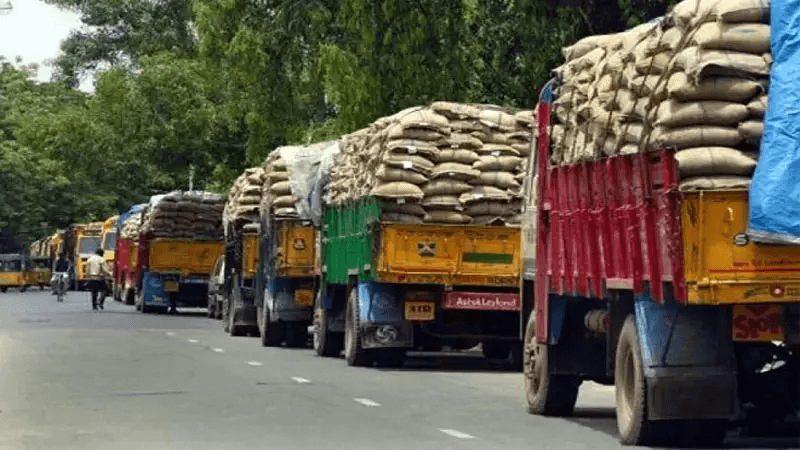
Officials in Dhaka said the measure was aimed at easing pressure on consumers facing persistent food inflation. Importers confirmed that cargoes were quickly booked through the Petrapole-Benapole land port, the busiest trade gateway between the two countries. “Logistically and cost-wise it is more competitive to export rice through this route,” said Suraj Agarwal, CEO of RiceVilla, adding that shipments began moving into Bangladesh the same night the announcement was made.
Indian markets reacted swiftly, with retail prices of several varieties surging. Reports showed Swarna rising from Rs 34 to Rs 39 per kg, Miniket from Rs 49 to Rs 55, Ratna from Rs 36–37 to Rs 41–42, and Sona Masoori from Rs 52 to Rs 56. Traders admitted they had advance indications of Bangladesh’s move and stockpiled rice near the border in anticipation.
Despite the sudden export rush, Indian millers insisted supplies remain sufficient. “My trucks left for Bangladesh on Thursday morning,” said CK Rao, a rice miller from Andhra Pradesh.
Analysts said the Bangladeshi decision could bring relief to its consumers while providing a timely boost to Indian traders. “Global rice prices have softened due to surplus supply, but Bangladeshi orders will help the Indian market recover by creating fresh demand,” said Keshab Kumar Halder of Halder Venture Limited.
For Bangladesh, the priority remains securing adequate stocks during the lean season and keeping rice affordable for households already squeezed by inflation.
BOB Post