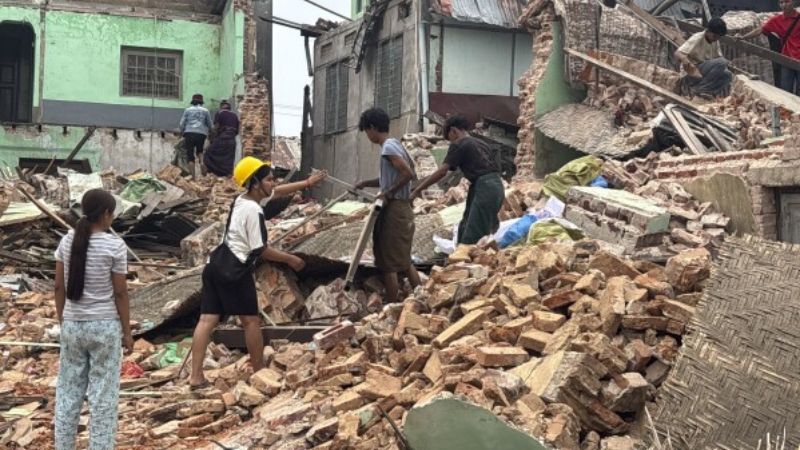
Two powerful earthquakes in early 2025—one in western Tibet and the other in Myanmar—have laid bare a troubling pattern: authoritarian regimes responding to natural disasters with repression, opacity, and propaganda instead of compassion, transparency, and aid.
In January, a 7.1-magnitude earthquake struck western Tibet, causing widespread destruction and the deaths of scores of people. Just two weeks later, Myanmar was rocked by a 7.7-magnitude quake, leaving a similar trail of devastation. Yet rather than rallying behind their citizens in a time of need, both the Chinese Communist Party (CCP) and Myanmar's military junta appeared to prioritize control over care.
Following the quake in Tibet, Beijing swiftly clamped down on information. Reports of a death toll higher than the government’s official figure were met with arrests for “spreading rumors,” and internet blackouts were imposed to stifle digital communication. More than 21 people were detained for sharing details online.
Grassroots Tibetan efforts to provide relief were blocked by new regulations, checkpoints, and an outright ban on community-organized aid. No international media were permitted to access the affected areas, nor were foreign rescue teams allowed in during the critical early days.
Instead, state media highlighted orchestrated relief efforts by Chinese authorities, turning the disaster into a platform for nationalist propaganda. Meanwhile, Beijing used the opportunity to deepen its campaign of “sinification”—a policy aimed at eroding Tibetan identity—by advancing controversial infrastructure projects that threaten to displace more communities and damage the fragile environment of the region known as Asia’s "Water Tower."
In Myanmar, the military regime initially signaled openness to international aid, but on the ground, access has been severely restricted. Local and foreign relief efforts have faced roadblocks, checkpoints, and security crackdowns, even as some of the worst-hit areas remain in desperate need.
Taiwanese rescue teams were reportedly turned away—possibly at Beijing’s behest—while a Chinese Red Cross convoy was inexplicably fired upon by the junta’s military. Despite declaring a temporary ceasefire, the regime continued its brutal campaign against civilians, carrying out over 60 attacks, including airstrikes, in the aftermath of the quake, according to the United Nations.
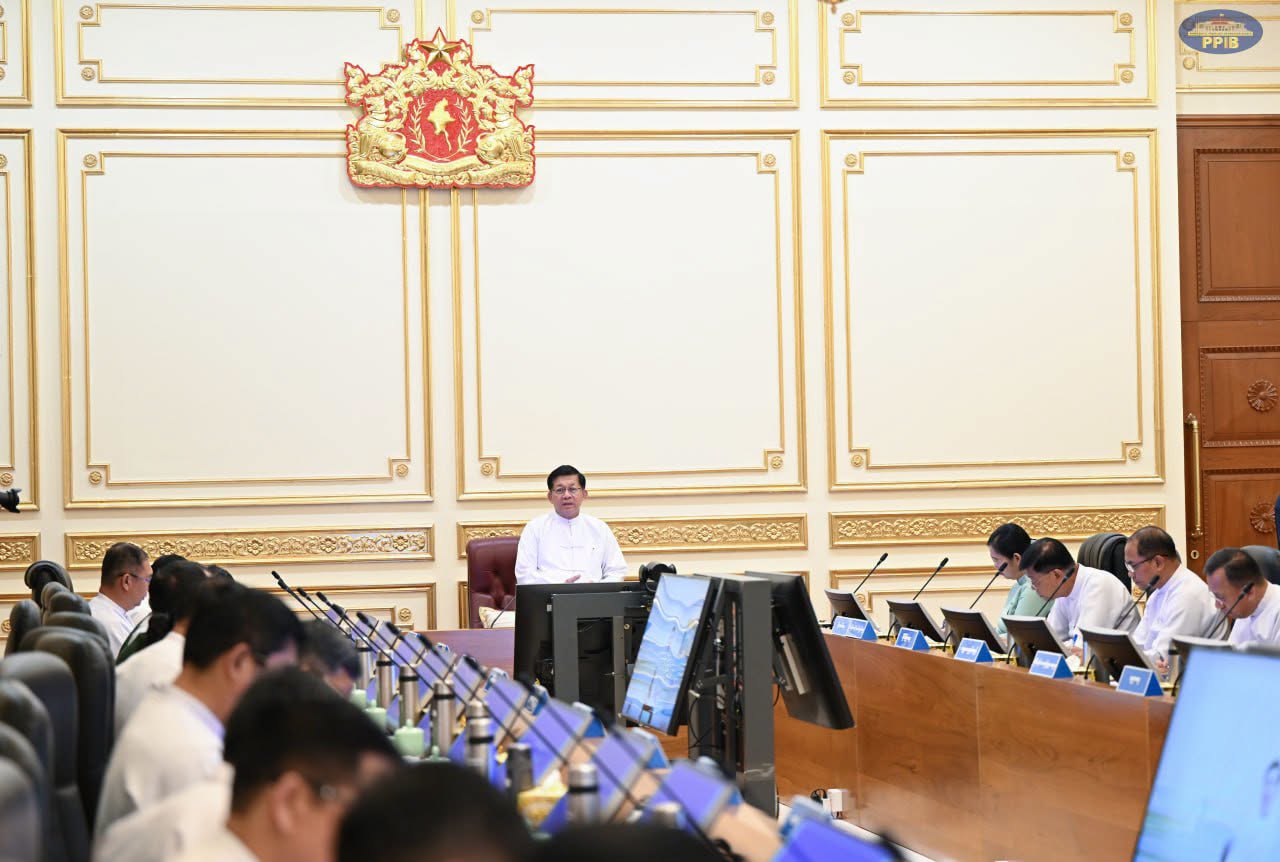
The junta’s leader, General Min Aung Hlaing, made public visits to hospitals and disaster zones while using international summits to portray an image of control. Yet these PR maneuvers stand in stark contrast to the ongoing military violence in affected regions.
A Stark Contrast with Democracies
The differences between authoritarian and democratic disaster responses have rarely been so stark. In democratic societies like Taiwan, which experienced a 7.4-magnitude quake last year, aid flowed swiftly, journalists reported freely, and leaders communicated transparently with the public. Similarly, democratic Thailand opened its doors to the international community to assist Myanmar’s quake victims.
Japan, too—prone to seismic activity—invests heavily in disaster preparedness, a reflection of a government accountable to its people.
Exiled democratic leaders from both Tibet and Myanmar have condemned their governments’ responses and called for unrestricted access for international aid groups and media. The UN Secretary-General and the High Commissioner for Human Rights have echoed these appeals, urging both regimes to put humanitarian needs ahead of political control.
“The international community must not look away,” said a spokesperson for the Tibetan government-in-exile. “When natural disasters are compounded by authoritarian repression, the suffering multiplies.”
In Myanmar, the shadow National Unity Government (NUG)—composed of officials elected in the country’s last democratic election in 2020—has urged global actors to bypass the junta and ensure aid reaches those in need directly.
These twin crises underscore a fundamental truth: disaster response is not just a logistical challenge—it is a test of governance. In democracies, leaders can be held accountable. In authoritarian regimes, people suffer in silence, behind censored screens and locked borders.
As Tibet and Myanmar continue to dig out from the rubble, the world is watching. Whether it responds with silence or action may shape not only recovery, but future lives at stake when the next disaster strikes.