The Association of Southeast Asian Nations (ASEAN) will not deploy election observers to Myanmar’s ongoing three-stage poll and, as a result, will not endorse the vote, Malaysia’s foreign minister said on Tuesday (January 20), underscoring the bloc’s continued unease with the military-led process.
Myanmar has been gripped by widespread conflict since the military ousted a civilian government in a 2021 coup, plunging the country into political turmoil and armed resistance across multiple regions.
The election, which began in December last year, has drawn sharp criticism from the United Nations, Western governments and international rights groups, who argue it is designed to legitimize military rule through proxy political parties. The ruling junta has rejected those accusations, insisting the process is a step toward restoring democracy.
Voter participation has reportedly been low. Balloting in the second phase took place earlier this month, with preliminary results showing the military-aligned Union Solidarity and Development Party securing about 88 percent of the contested lower house seats across the first phase of voting, according to Arab News report.
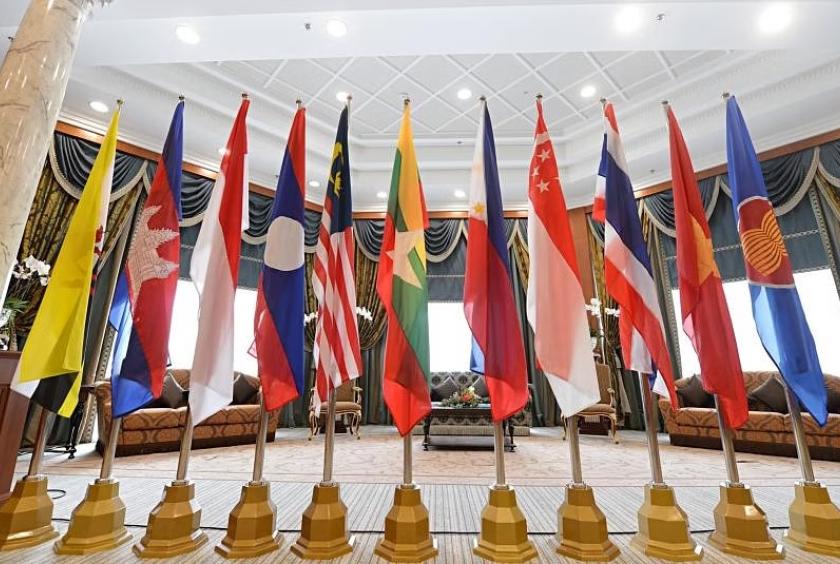
Speaking before Malaysia’s parliament, Foreign Minister Mohamad Hasan said ASEAN had declined a request from Myanmar to send election observers, a decision taken during the bloc’s leaders’ summit in Kuala Lumpur last year. While some individual ASEAN member states chose to observe the polls independently, Mohamad stressed that the regional grouping as a whole would not do so.
“We have said that ASEAN will not send observers, and by virtue of that, we will not certify the poll,” Mohamad said in response to a question from a lawmaker regarding Malaysia’s and ASEAN’s stance on the election.
In a separate address, Mohamad also said ASEAN was nearing the completion of a long-discussed code of conduct with China governing activities in the South China Sea, expressing hope that an agreement could be finalized this year.
ASEAN and China first agreed in 2002 to work toward such a code but only began formal negotiations 15 years later, with progress since then described as slow. The talks are complicated by overlapping territorial claims, as Beijing asserts sovereignty over much of the South China Sea, including areas within the exclusive economic zones of the Philippines, Brunei, Malaysia, Taiwan and Vietnam claims that have heightened tensions over fishing rights and energy exploration in the region.
BOB Post