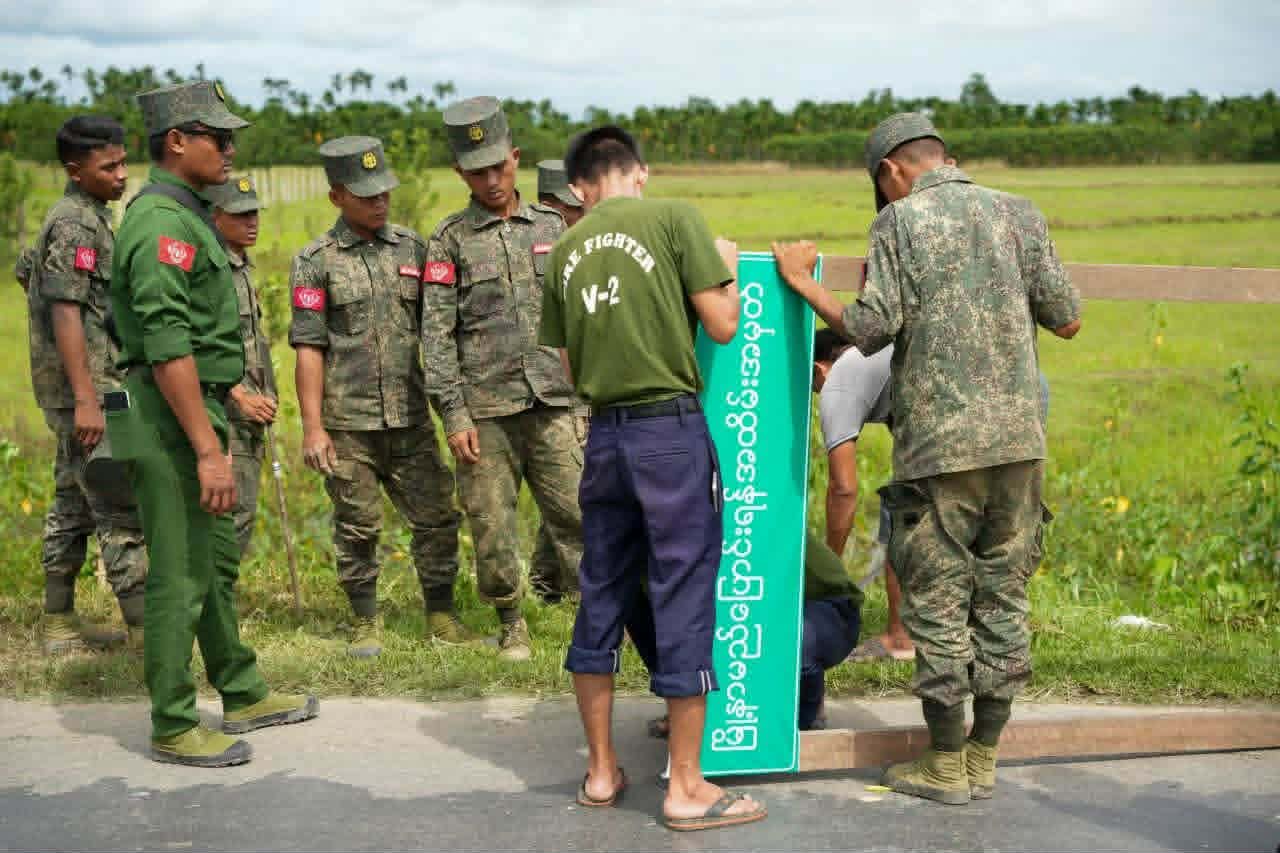
The Arakan Army (AA) is moving to rename towns under its control in Myanmar's Rakhine State, presenting the initiative as a restoration of ancient Rakhine history and identity. Pauktaw is expected to become Vīraṭṭhānī, while Minbya will be renamed Añjanapura, with more changes reportedly planned.
The AA says the effort reflects the heritage of the former Arakan kingdom. However, critics argue the campaign promotes an exclusively Rakhine historical narrative while overlooking the state's multi-ethnic character, including the identities and histories of Rohingya, Mro, Khami, Daingnet, Thet, Kaman, Chin, and other communities that have long lived in Rakhine.
Analysts say that restoring historical place names is unlikely to address the region's more pressing challenges, including security, displacement, humanitarian needs, and inclusive governance. Human rights observers have also warned that symbolic nation-building efforts risk deepening ethnic divisions if they are pursued without consultation with all affected communities.
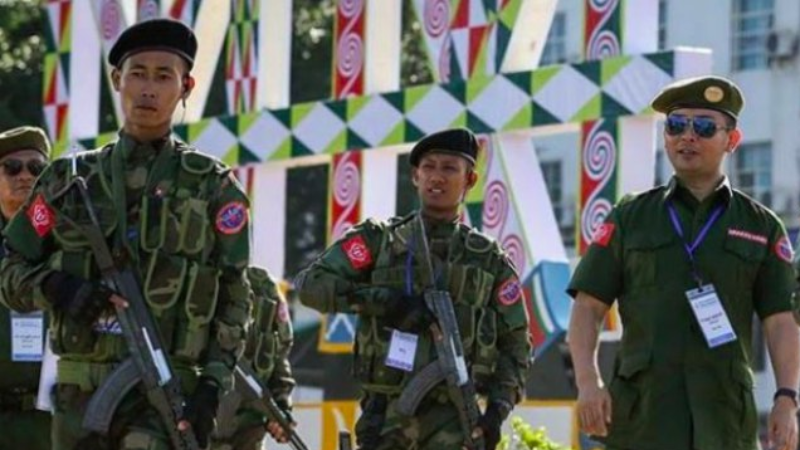
The renaming campaign comes as the AA faces growing scrutiny over its own conduct in areas under its control. Local residents, rights groups, and independent media have reported allegations of forced taxation, extortion, arbitrary detention, and compulsory recruitment. The group has also been linked by Myanmar-based analysts and regional security observers to expanding illicit trade networks, including narcotics trafficking and cross-border smuggling allegations the AA has consistently denied.
While the AA portrays itself as building a new administration, critics argue that genuine legitimacy depends not on renaming towns or rewriting school curricula but on protecting the rights of all ethnic and religious communities, ensuring transparent governance, and addressing allegations of abuse within its own ranks.
For many observers, preserving Rakhine history should not come at the expense of erasing or marginalizing the identities of other peoples who have shared the region for generations. An inclusive political future, they argue, requires recognizing Rakhine State's diverse heritage rather than elevating a single historical narrative.
BOB Post