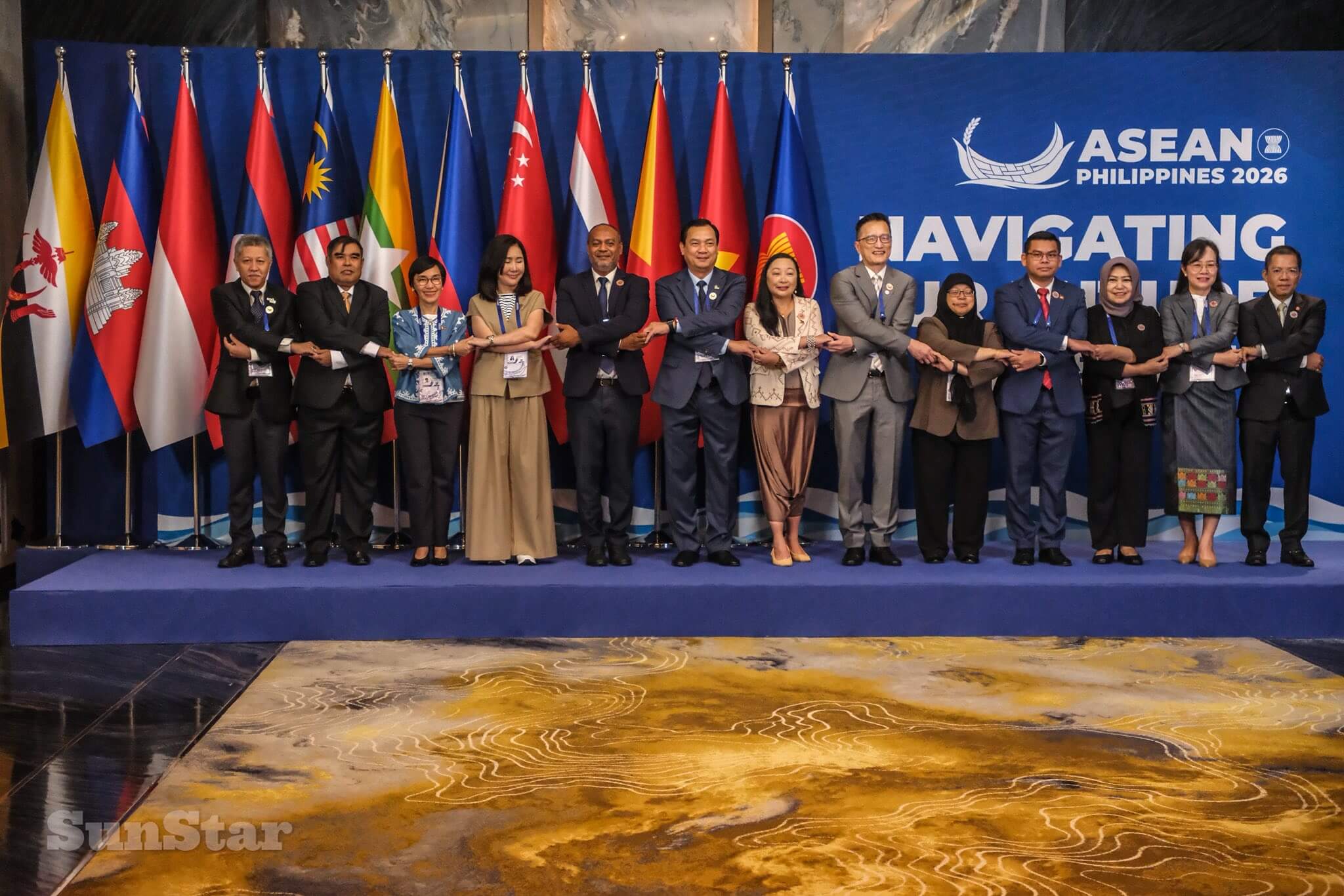
The ASEAN Parliamentarians for Human Rights (APHR) has urged ASEAN foreign ministers to place the crisis in Myanmar at the center of discussions during the ongoing ASEAN Foreign Ministers’ Meeting in Cebu, Philippines, warning that the bloc risks repeating past failures without a clear and results-oriented strategy.
In a statement issued on January 24, APHR cautioned that ASEAN’s engagement with Myanmar continues to suffer from the absence of a coherent plan capable of delivering tangible outcomes, even as the military junta moves to consolidate power through what the group described as a fraudulent electoral process.
APHR questioned how the Philippines’ current chairmanship intends to depart meaningfully from the approaches taken by previous ASEAN chairs, including Malaysia and Indonesia, whose initiatives failed to bring significant progress. Without a clear strategic shift, the group warned, renewed engagement could once again fall short while conditions inside Myanmar continue to deteriorate.
According to Mizzima, the junta has intensified preparations for elections widely rejected by democratic forces and international observers, raising concerns that any engagement perceived as legitimizing the process could undermine ASEAN’s credibility and stated non-recognition of the military’s political roadmap.
The rights group also expressed concern over the ASEAN Special Envoy’s meeting with Myanmar’s military authorities in Naypyidaw on January 6, saying such engagement risks creating an impression of political normalization despite the junta’s continued non-compliance with the Five-Point Consensus and ongoing human rights abuses.
However, APHR welcomed the Philippines’ recent initiative to convene a Myanmar Stakeholders’ Meeting led by the Philippine foreign secretary and the ASEAN Special Envoy, describing it as a positive step toward inclusive dialogue. The group emphasized that meaningful progress would require clear political objectives and sustained follow-through.
To ensure ASEAN’s engagement leads to concrete results, APHR called on the ASEAN Chair to publicly reject the junta-led electoral process, recognize and engage with democratic representatives including the National Unity Government and ethnic resistance organizations, establish clear benchmarks and timelines for the Special Envoy’s work, and prioritize efforts to hold the Myanmar military accountable for atrocities.
As the foreign ministers’ meeting continues through January 29, APHR said it will maintain engagement with the Philippine government and ASEAN member states to advocate for a principled, inclusive, and credible pathway toward peace and democracy in Myanmar.
BOB Post