




Tensions between Afghanistan and Pakistan have escalated dramatically after heavy overnight clashes along their shared border, with Afghanistan’s Taliban-led government claiming Sunday (October 12) to have killed 58 Pakistani soldiers in retaliatory operations.
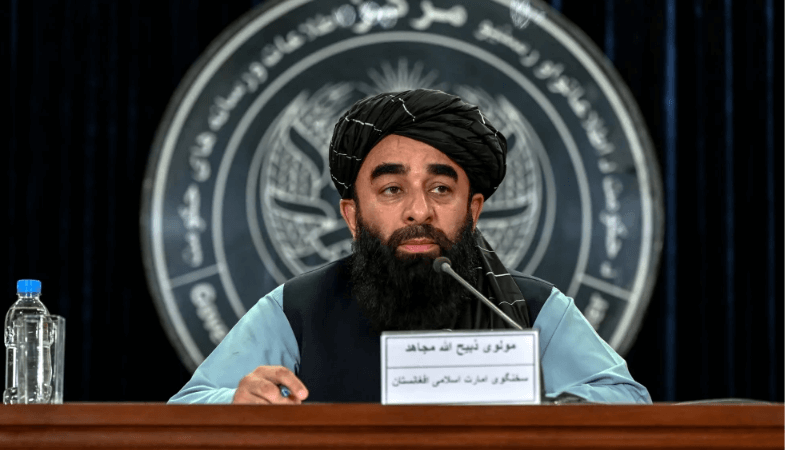
The Afghan government said the military action was a direct response to what it described as repeated violations of its territory and airspace by Pakistan. According to chief government spokesman Zabihullah Mujahid, Afghan forces not only inflicted heavy casualties but also captured 25 Pakistani army posts and wounded an additional 30 soldiers.

“The situation on all official borders and de facto lines of Afghanistan is under complete control, and illegal activities have been largely prevented,” Mujahid stated at a news conference in the capital.
Pakistan’s military has contested the Afghan figures, offering a much lower casualty count of 23 troops killed. The starkly conflicting reports highlight the intensity and confusion surrounding the engagement.
This recent violence marks a significant escalation in the already fragile relationship between the two neighbors. The clashes did not occur in a vacuum; earlier in the week, Afghan authorities accused Pakistan of conducting bombing raids on Kabul and a market in the country’s east. While Pakistan has not claimed responsibility for those alleged attacks, the incidents have fueled a volatile atmosphere.
In a statement early Sunday, the Taliban government’s Defense Ministry framed its latest actions as “retaliatory and successful operations,” underscoring its resolve to counter perceived Pakistani aggression.
While cross-border skirmishes have occurred in the past, and Pakistan has previously conducted strikes inside Afghanistan targeting alleged militant hideouts, this weekend’s direct and heavy clashes between national forces signal a dangerous new phase in their deteriorating relations, threatening to further destabilize the region.
(This report is based on information provided by the Associated Press.)
BOB Post