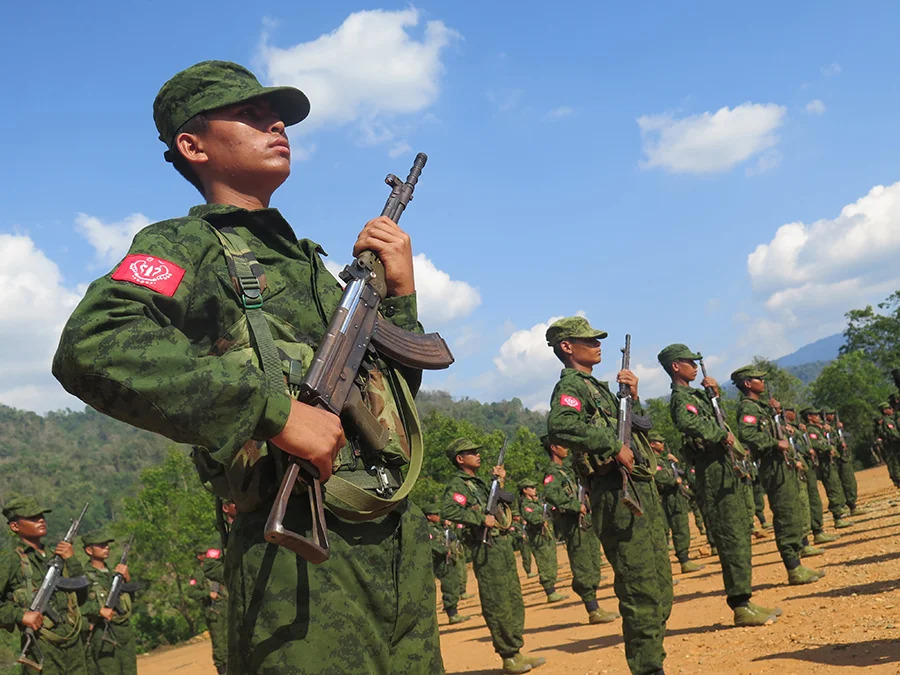
In a significant battlefield victory, the Arakan Army (AA) has seized control of Maungdaw and Taungup townships, establishing dominance over a 270-kilometre stretch along Myanmar’s border with Bangladesh. The capture of these strategic territories, along with the Western Military Command headquarters in Ann, has dealt a major blow to the military junta, further shifting the balance of power in Rakhine State.
The AA, the armed wing of the United League of Arakan (ULA), now controls 14 out of Rakhine’s 17 townships. Resistance forces have also secured 93 towns and cities across Myanmar, including two key airports—Thandwe in Rakhine and Lashio—alongside critical border trading posts and infrastructure projects. However, clashes continue as the military struggles to hold onto its remaining strongholds.
Implications for the Rohingya Community
While the AA’s victories have cemented its hold over Rakhine, they have also intensified the precarious situation for the Rohingya. The Myanmar junta has reportedly conscripted Rohingya individuals into its ranks, forcing them into a conflict they did not initiate. Many of these conscripts have been captured or killed in battle, further entangling the stateless and marginalized Rohingya population in Myanmar’s ongoing civil war.
Despite previous attempts by the AA to present itself as an inclusive force, tensions between the ethnic armed organization (EAO) and the Rohingya community remain high. Recent reports suggest that the military junta has weaponized divisions by deploying Rohingya armed groups—including the Arakan Rohingya Salvation Army (ARSA), the Rohingya Solidarity Organisation (RSO), and the Arakan Rohingya Army (ARA)—against the AA. This has fueled retaliatory violence and deepened hostilities, raising fears of further humanitarian crises in the region.
Adding to these concerns, the AA’s recent use of the term “Bengali Muslim” to describe the Rohingya echoes long-standing rhetoric used to delegitimize their status in Myanmar. This has sparked fears that their plight will worsen under the AA’s rule, especially as reports of counter-attacks on Rohingya communities emerge.
Bangladesh’s Dilemma and Shifting Regional Policies
As the conflict in Rakhine escalates, neighboring Bangladesh finds itself facing new challenges. The country has sheltered over one million Rohingya refugees since 2017, but with donor funding dwindling, conditions in refugee camps have deteriorated. Only 53% of the required US$852.4 million in humanitarian aid for 2024 had been raised by September, resulting in food shortages, poor living conditions, and an increase in illicit activities.
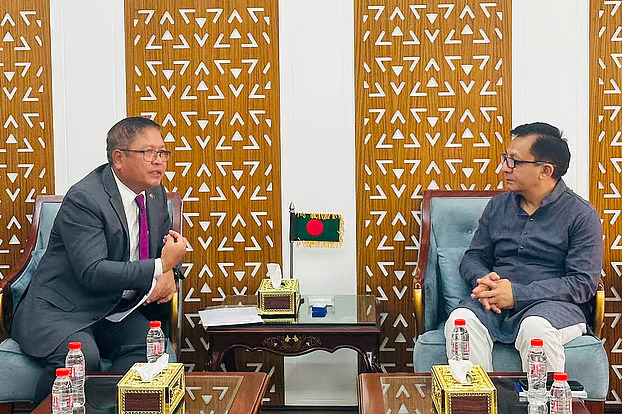
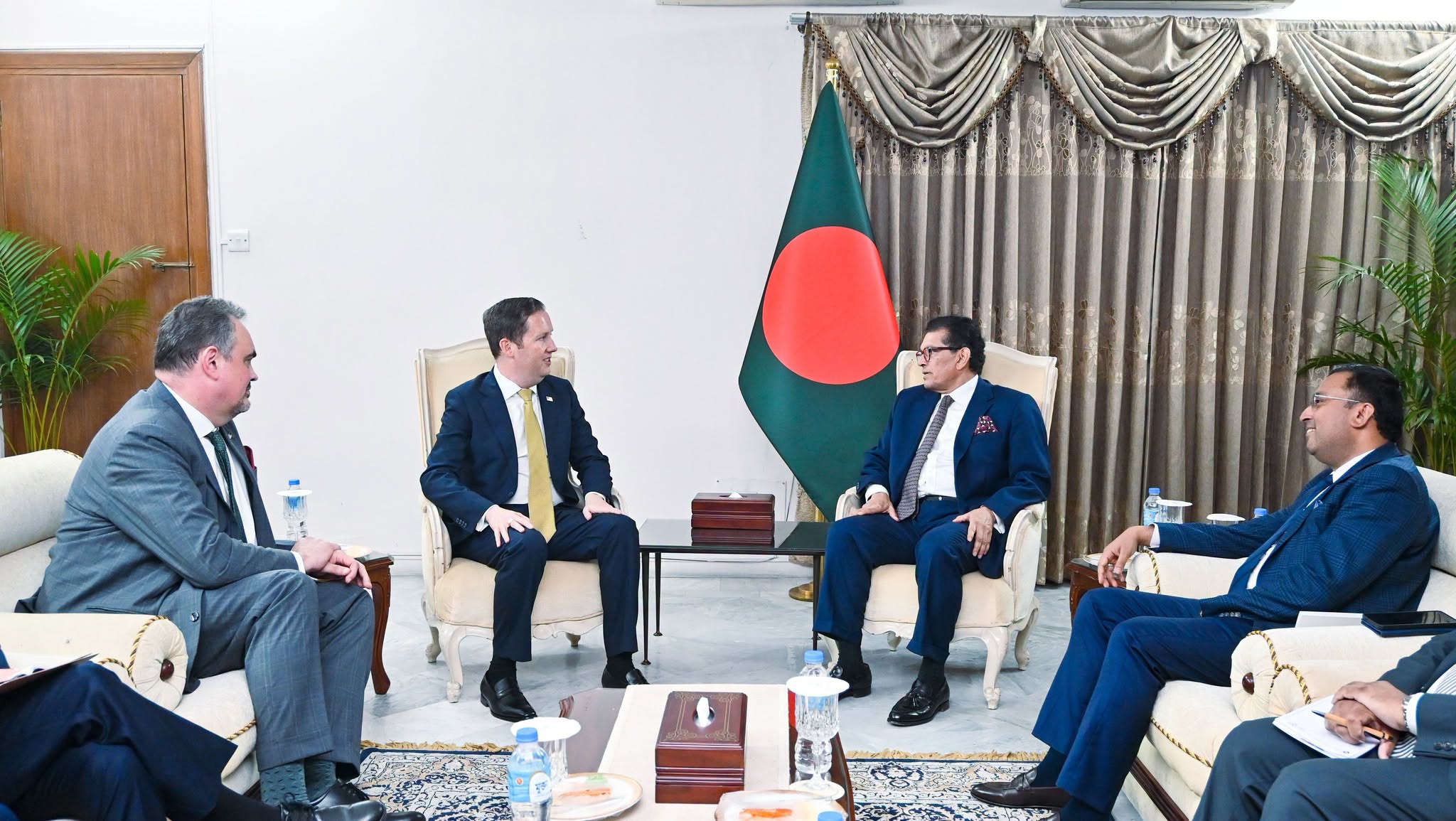
Amid these mounting pressures, Bangladesh’s interim government, led by Muhammad Yunus, is reassessing its Rohingya policy. With an additional 60,000 displaced people arriving due to the ongoing violence, Dhaka is considering informal engagements with the AA while maintaining diplomatic ties with Myanmar’s junta and seeking regional cooperation from India, China, Malaysia, Thailand, and Indonesia.
In an effort to find a long-term solution, Khalilur Rahman, the High Representative for the Rohingya crisis, has proposed a UN-backed conference later this year to mobilize international support. A key proposal under discussion is the creation of a UN-guaranteed safe zone in Rakhine to facilitate the safe return of refugees.
Uncertain Future for Rakhine
As the AA consolidates its power, the future of Rakhine remains uncertain. The group’s success presents both opportunities and challenges—while it has garnered local support with its vision of self-governance, its relationship with the Rohingya community remains fraught with distrust. Whether the AA will extend inclusivity and recognize Rohingya rights in a post-junta Rakhine remains to be seen.
For now, the Rohingya remain trapped between a retreating military and a rising rebel force, with no clear path to security or citizenship. The region’s destiny hangs in a delicate balance, as the international community watches closely, hoping for a resolution that does not come at the cost of further human suffering.
BOB Post