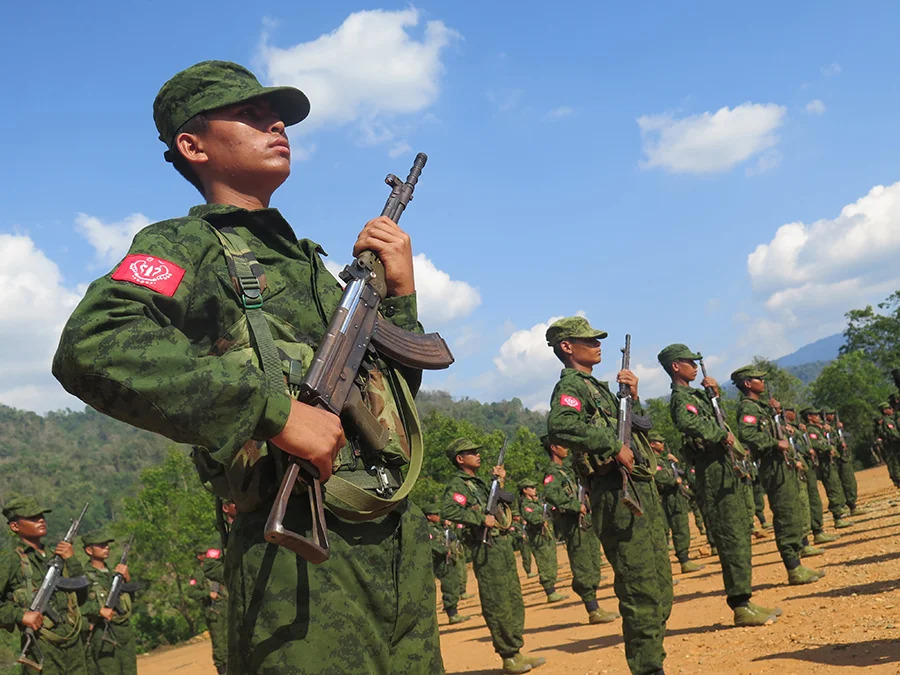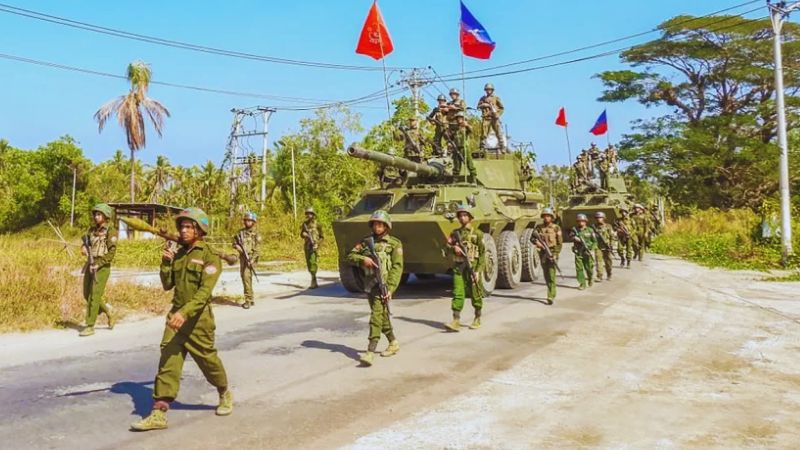
The Arakan Army (AA) has imposed a strict ban on the use of the term "Rohingya" in Kyauktaw, issuing stern warnings of severe consequences for those who defy the order. The directive, announced during a meeting on (February 26), 2025, signals a growing crackdown on the already persecuted Rohingya community in Rakhine State.
AA’s Aggressive Stance on the Rohingya Identity
According to sources present at the meeting, AA Commander-in-Chief Major General Twan Mrat Naing declared that anyone using the term "Rohingya" would be labeled as an "ARSA terrorist from Maungdaw" and face the harshest punishment. The warning has intensified fear among the Rohingya population, who are already living under strict restrictions imposed by the armed group.
The AA has also ordered local Rohingya residents to report any unfamiliar individuals entering their villages, effectively increasing surveillance and limiting their freedom further. This move has been perceived as a strategy to tighten control over the community and suppress any form of self-identification.
Erasing Identity Amid Systematic Oppression
A Rohingya resident who attended the meeting expressed deep concern over the ban, stating, "We are already struggling to survive, and now they are taking away our name too."
Despite the AA previously claiming to respect the rights of the Rohingya, their actions following their takeover of key towns in northern Rakhine suggest otherwise. Reports indicate that from March to August 2024 alone, at least 2,500 Rohingya were killed, and 40,000 were forced to flee Myanmar, according to Nay San Lwin, co-founder of the Free Rohingya Coalition.
The new identity ban aligns with a broader pattern of persecution against the Rohingya, who have long been denied citizenship and basic rights by Myanmar’s military regime. Now, with the AA in control of parts of Rakhine State, they are facing yet another existential threat.
Rising Fears of Total Erasure
The AA’s prohibition on using the word "Rohingya" has sparked widespread fear within the community, further marginalizing them. Many believe this restriction will hinder their ability to access humanitarian aid, seek justice for past atrocities, or reclaim their rightful place in Myanmar.
One Rohingya activist described the move as part of a continuous effort to silence and erase their community. “First, they forced us out of our homes. Now, they want to erase our name. This is another step toward ensuring that we do not exist in Myanmar’s history.”
International Concern Over Rising Abuses
Human rights organizations and the United Nations have repeatedly warned against actions that suppress the identity and rights of the Rohingya people. However, the ongoing conflict and political instability in Myanmar have left the community increasingly vulnerable.
As tensions under AA rule continue to rise, fears are mounting that the Rohingya in Kyauktaw and other parts of Rakhine State will face further oppression.
For now, the threat of severe punishment has forced many to remain silent about their identity—making the mere utterance of the word "Rohingya" a dangerous act.
BOB Post