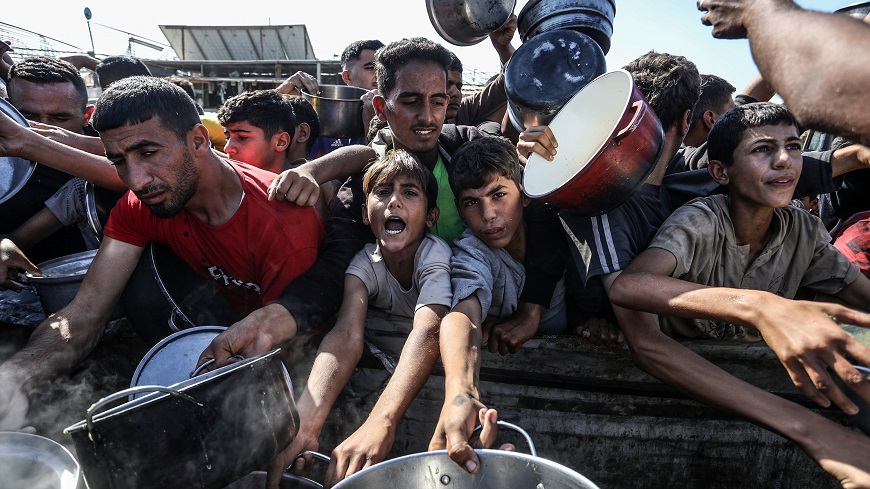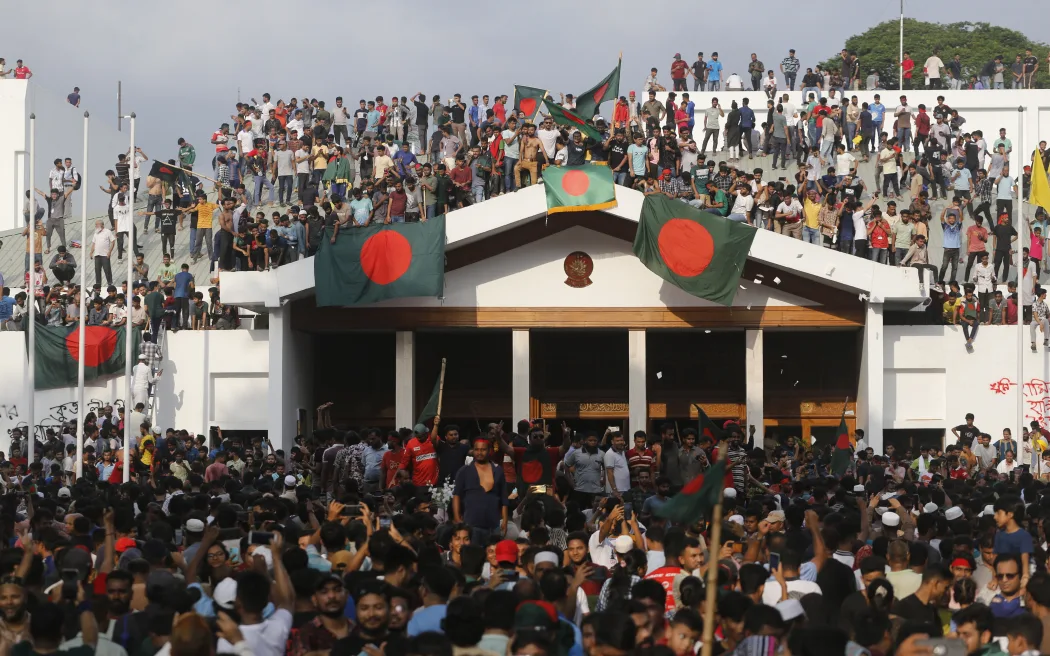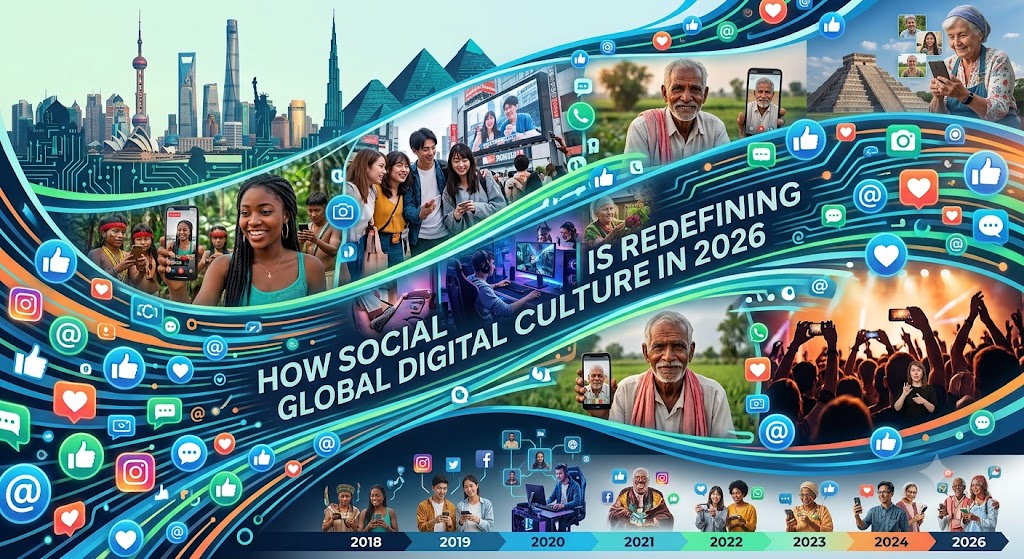
Before breakfast, a teenager in Dhaka has already traveled the world laughing at a meme from Lagos, watching a fashion trend from Seoul, following breaking news from Gaza, and chatting with friends across continents. The journey takes only a few minutes and fits inside the palm of a hand. For billions of people, this has become an ordinary morning, revealing just how profoundly social media now shapes daily life.
As the world marks World Social Media Day on June 30, the occasion is about far more than celebrating Facebook posts or viral videos. Since Mashable introduced the day in 2010, social media has evolved from a place to share photos and status updates into one of the most influential forces of the digital age. It has transformed how people communicate, consume news, build identities, create communities, and increasingly, how they understand reality itself. Media theorist Marshall McLuhan foresaw this long before smartphones, famously observing that "we shape our tools and thereafter our tools shape us." In 2026, that idea feels more relevant than ever.
The digital revolution has unlocked extraordinary opportunities. Anyone with a smartphone can reach a global audience, launch a business, learn new skills, or build communities across borders. Yet the same platforms that connect billions also amplify misinformation, outrage, and comparison.
Social psychologist Jonathan Haidt, author of The Anxious Generation, argues that today's generation has been "underprotected online," warning that constant social media exposure is reshaping childhood, mental health, and human behavior. Artificial intelligence is accelerating this transformation even further, making realistic deepfakes, synthetic influencers, and AI-generated content part of everyday digital life, blurring the line between fact and fiction.
This is the fifth wave of human communication not simply another technological shift, but a cultural one. Like the printing press, radio, television, and the internet before it, social media has become the infrastructure through which modern society experiences the world. The question is no longer whether these platforms shape culture, but whether we can shape them before they redefine us.
BOB Post