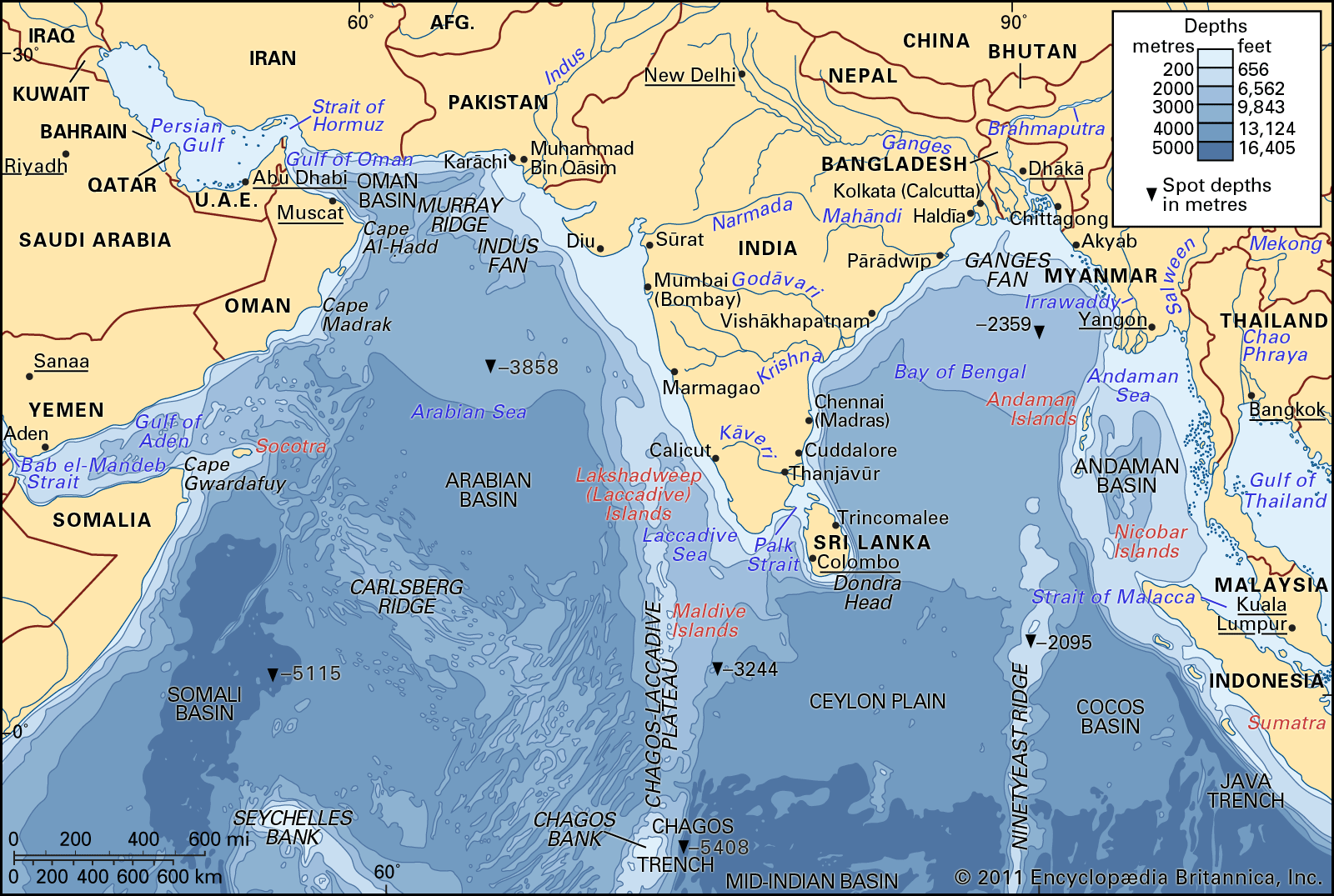
As India and China expand their strategic reach, the Bay of Bengal is becoming a meeting point of great-power rivalry, regional insecurity, and economic opportunity.
The Bay of Bengal is no longer a peripheral maritime space. It is becoming one of the most consequential strategic zones linking South Asia with Southeast Asia. Its waters connect the Indian Ocean with the approaches to the Malacca Strait, while its coastline brings together some of Asia's most important economies and strategic frontiers.
What makes the Bay increasingly important is not geography alone, but the number of competing interests converging there. India sees it as central to its maritime security and regional influence. China sees Myanmar and the eastern Indian Ocean as important to its connectivity and energy strategy. Bangladesh, Myanmar, Sri Lanka and Thailand are seeking to turn geography into economic and diplomatic leverage. The United States, Japan and Russia remain important external actors.
The result is a region where competition and cooperation are developing simultaneously.
India and China: The central strategic rivalry
India is the Bay's principal resident power. Its eastern coastline and the Andaman and Nicobar Islands give New Delhi a geographical position that no outside power can reproduce. India's SAGAR (Security and Growth for All in the Region) vision and Act East policy have consequently placed the Bay at the center of its maritime and regional strategy.
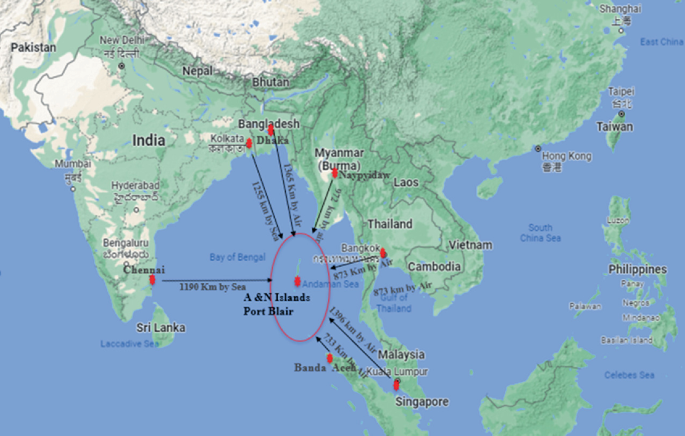
Andaman & Nicobar Islands India’s New Maritime Frontier in the Indo-Pacific
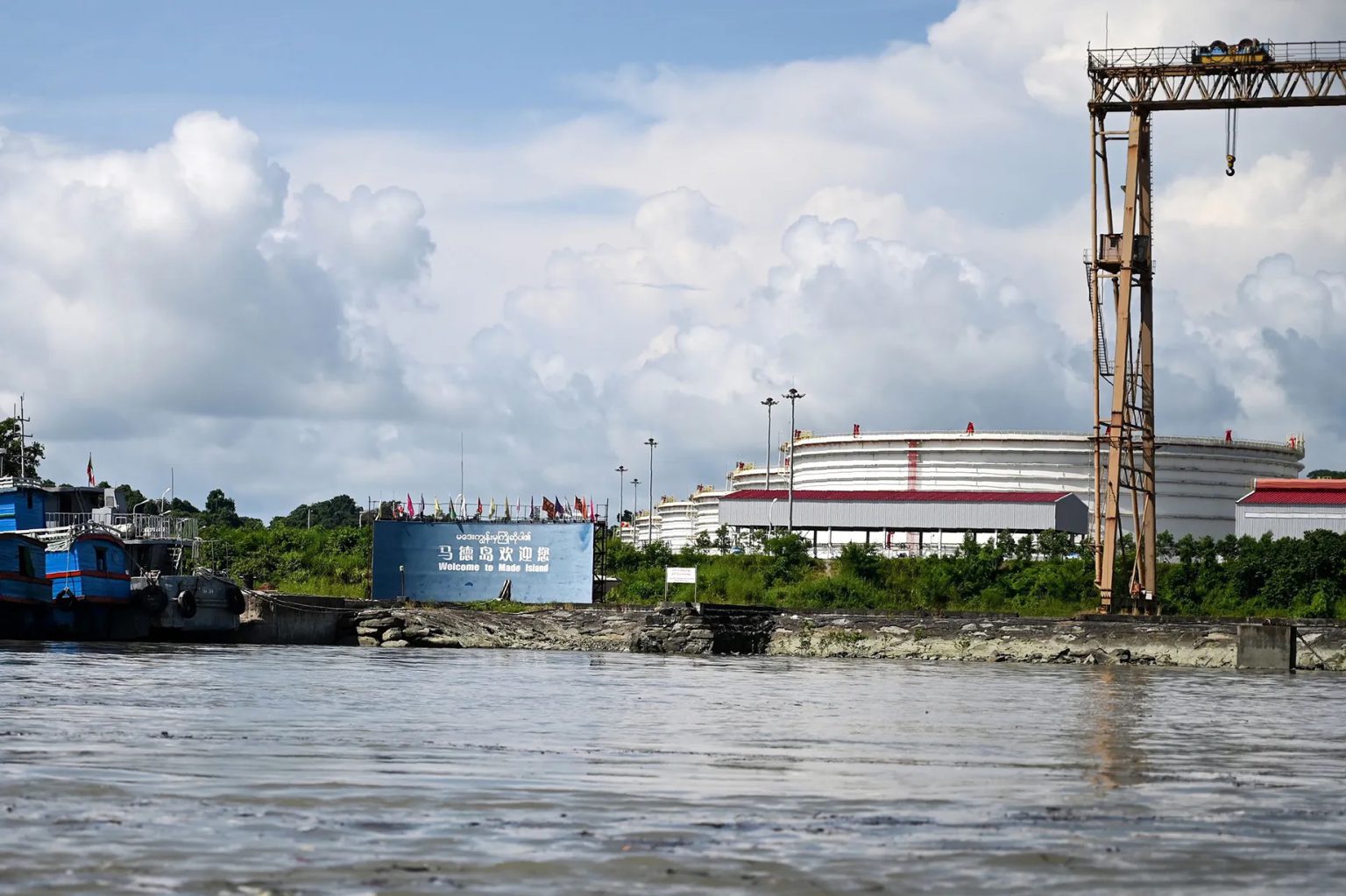
China's approach is different. Beijing's presence is built heavily around connectivity. The China-Myanmar Economic Corridor, including the Kyaukphyu port and associated energy infrastructure, gives China an alternative route toward the Indian Ocean.
Commercial infrastructure does not automatically translate into military infrastructure. But ports, energy routes and transport corridors can create strategic options and influence the architecture through which trade and connectivity develop. The competition is therefore not simply about naval power. It is also about who shapes the region's connectivity.
Bangladesh: The Bay's geographic hinge
Bangladesh occupies a particularly important position in this emerging regional equation. Situated between South and Southeast Asia, Bangladesh sits at the northern edge of the Bay while sharing borders with India and Myanmar. Its ports and transport networks potentially provide access not only to its own economy but also to India's Northeast and, through regional connectivity, to landlocked Nepal and Bhutan.
That gives Bangladesh an importance that extends well beyond the size of its coastline. Chattogram and Mongla are already connected to regional transit arrangements, while projects such as Matarbari and the Bay Terminal are intended to expand Bangladesh's maritime and logistics capacity. The World Bank says the Bay Terminal is expected to handle around 36 percent of Bangladesh's container volumes and improve connections to regional and international markets. Japan has likewise treated Matarbari as part of a broader Bay of Bengal connectivity strategy linking Bangladesh with neighboring economies.
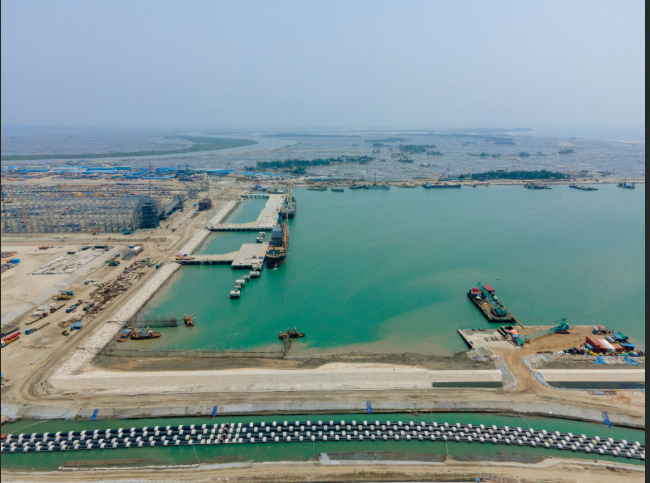
Bangladesh's strategic value also comes from its location between India's Northeast and the Bay. Improved road, rail and waterway connections can shorten routes for India's northeastern states while providing Nepal and Bhutan with additional access to the sea. The World Bank has identified Bangladesh as an important part of emerging multimodal connectivity linking the BBIN countries (Bangladesh, Bhutan, India, and Nepal) and the Bay of Bengal.
This makes Bangladesh important to competing visions of regional connectivity. India has an interest in using Bangladeshi routes to improve access to its Northeast. Japan has invested in connectivity and infrastructure. China has its own economic and infrastructure interests. For Bangladesh, the challenge is to convert this geography into diversified economic opportunities without becoming excessively dependent on any single external power.
In that sense, Bangladesh is not merely located beside the Bay of Bengal. It is increasingly one of the places through which the Bay's economic geography could be reorganized.
Myanmar: The region's biggest uncertainty
Myanmar is the biggest uncertainty. Myanmar may be the most strategically consequential and unstable country in the Bay. Its western coastline provides access to the Bay, while its territory connects India, China and Southeast Asia. But years of civil war have transformed the equation. The military government's weakening territorial control, particularly in western Myanmar, creates uncertainty around major infrastructure and trade corridors.
For China, instability threatens the predictable operation of strategic projects. For India, it complicates its connectivity ambitions and border security. For Bangladesh, the consequences are immediate because of the continuing Rohingya crisis and cross-border insecurity. Myanmar is therefore no longer simply a country caught between larger powers. Its internal conflict is actively reshaping the strategic balance around the Bay.
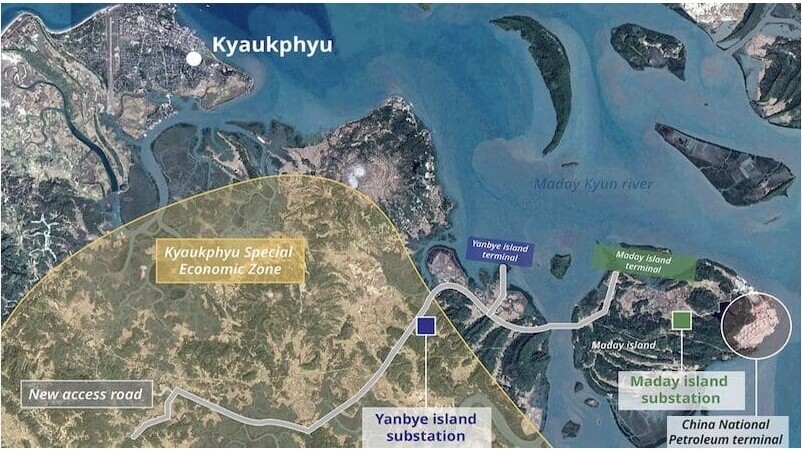
Recent developments also show how India, China and the United States are seeking to shape Myanmar's future in different ways. India's 2026 engagement has included discussions over security, connectivity and rare-earth resources, while China continues to maintain substantial economic and strategic interests, including major infrastructure and connectivity projects. The United States, meanwhile, has historically supported Myanmar's democratic movement and the National League for Democracy (NLD), and has continued to engage with Myanmar's broader pro-democracy and resistance forces. Washington's approach therefore adds another layer to the strategic competition surrounding Myanmar- one centred less on infrastructure and resource access than on political transition, democracy and limiting the influence of the military regime.
The smaller states are not spectators
Bangladesh, Sri Lanka and Thailand are often discussed mainly through the prism of great-power competition. That underestimates their agency.
Sri Lanka sits close to the major east-west shipping routes of the Indian Ocean and has developed into an important maritime and transshipment hub. Thailand connects the Bay's western maritime space with mainland Southeast Asia. Bangladesh links the Bay to South Asia's densely populated eastern subregion and to the landlocked Himalayan states. Their geography gives them bargaining power. Their challenge is to use that position without allowing strategic competition to produce excessive dependence.
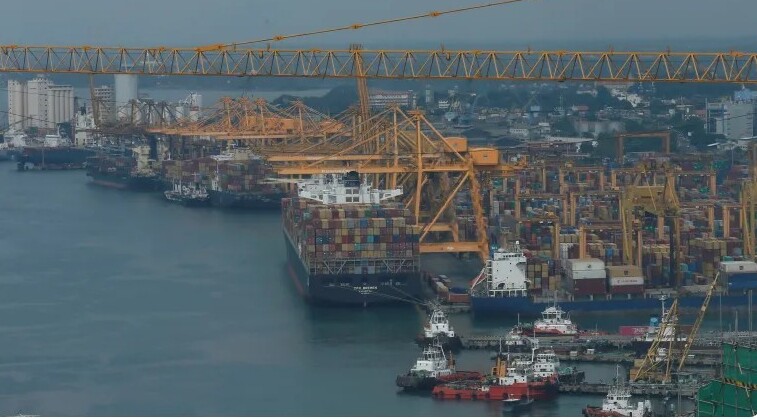
The future of the Bay will therefore not be determined only in Beijing, New Delhi or Washington. The decisions made in Dhaka, Colombo, Naypyidaw and Bangkok will also shape the region's economic and security architecture.
The outsiders: America, Japan and Russia
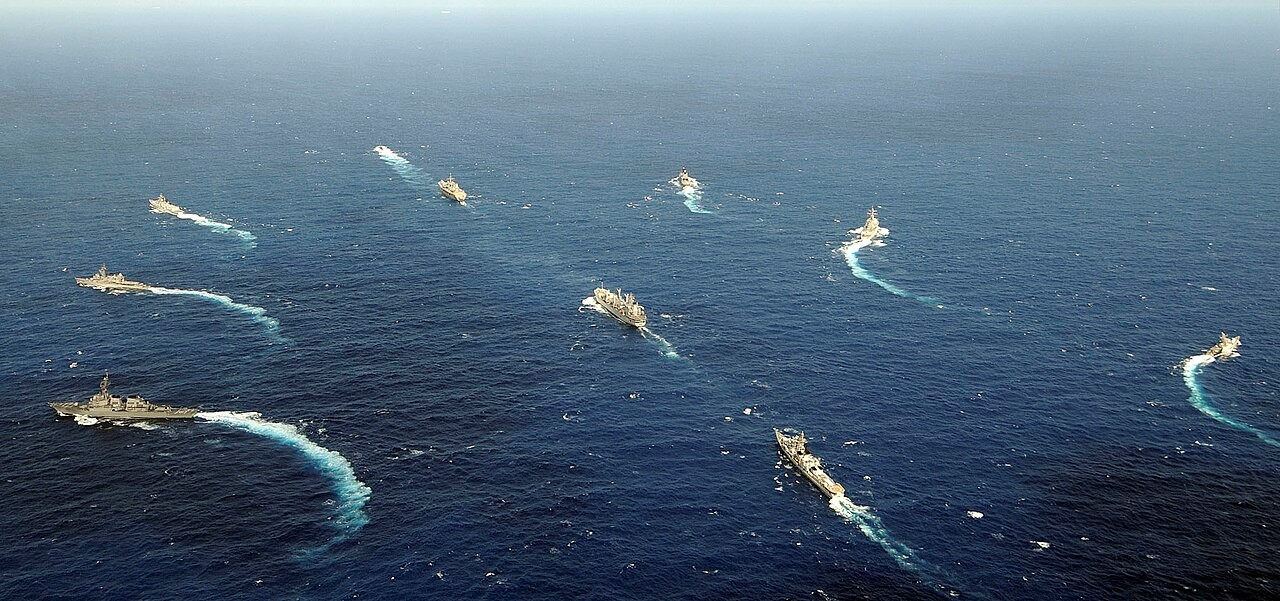
The United States remains an important external security actor because the Bay forms part of the wider Indo-Pacific maritime system. Its interests include maritime security, open sea lanes for trade and regional partnerships.
Japan's influence is more heavily associated with infrastructure, investment and connectivity. Its flagship Bay of Bengal Industrial Growth Belt (BIG-B) initiative is particularly significant. Built around three pillars- economic infrastructure, a stronger investment environment and regional connectivity—BIG-B seeks to develop the Dhaka–Chattogram–Cox's Bazar corridor as a regional economic hub connecting South and Southeast Asia. Projects such as the Matarbari deep-sea port are central to this vision, while Japan has also promoted an industrial value chain linking the Bay of Bengal with India's Northeast.
Japan's engagement therefore represents more than bilateral development assistance to Bangladesh. It is part of a wider effort to shape the region's connectivity architecture through infrastructure, trade and industrial integration. In that sense, BIG-B places Bangladesh at the center of Japan's broader economic and strategic engagement in the Bay of Bengal.
Russia's footprint is smaller, but its political and defense relationships—particularly with Myanmar- give Moscow a continuing role in the region. None of these outside powers alone determines the future of the Bay. But together, they make the region increasingly multipolar.
The Rohingya crisis and the development question
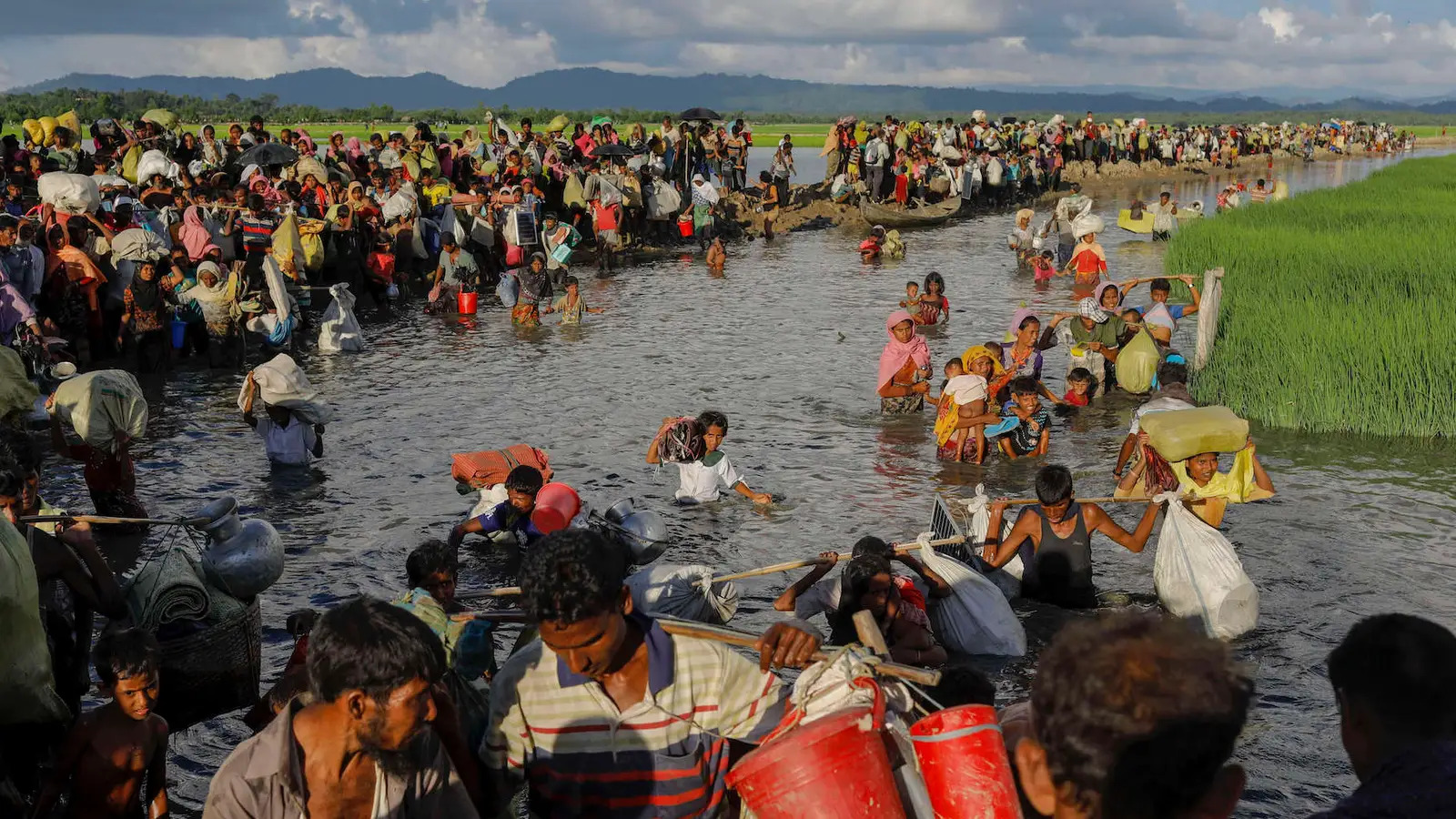
Rohingya, the Forcibly Displaced Myanmar Nationals-FDMN crisis has become one of the region's most serious obstacles to stability and development. Bangladesh continues to host more than one million Rohingya, while UNHCR projects that the population could exceed 1.4 million by 2029 if voluntary repatriation does not take place. The humanitarian response is also placing continuing pressure on resources and host communities.

The crisis is no longer only a humanitarian issue. Prolonged displacement, insecurity in and around the camps, Human trafficking, arms and drugs smuggling, cross-border crime and instability along the Bangladesh-Myanmar frontier create wider regional risks. It also complicates the development of economic corridors linking South and Southeast Asia.
For Bangladesh, the crisis is therefore simultaneously a humanitarian, security, diplomatic and development challenge. For the wider Bay region, it is a reminder that connectivity cannot flourish without political stability. Myanmar's internal conflict and the unresolved Rohingya crisis are consequently reshaping the strategic balance around the Bay.
Competitive interdependence
The Bay of Bengal is entering an era of competitive interdependence. India wants maritime security and regional influence. China wants connectivity and reliable access to the Indian Ocean. The United States seeks an open maritime order. Japan promotes infrastructure and economic connectivity. Russia seeks to preserve strategic relationships. Bangladesh and the other littoral states want development, security and the ability to make independent choices.
These interests will inevitably collide in some areas. But they can also overlap.
The same ports that generate geopolitical competition can facilitate regional trade. The same maritime networks that raise strategic concerns can support disaster response and humanitarian operations. And the same geography that attracts major powers can turn the Bay into an economic bridge between South and Southeast Asia.
The central question is therefore not simply who will dominate the Bay of Bengal. It is whether the countries around it can prevent great-power rivalry, unresolved conflicts and humanitarian crises from limiting the region's economic potential.
The Bay is becoming too important to be viewed as anyone's backyard. It is emerging as a shared strategic space and a test of whether competition among major powers can coexist with cooperation among the countries that actually live around it.
M U Rashid
Peace and Development Observer