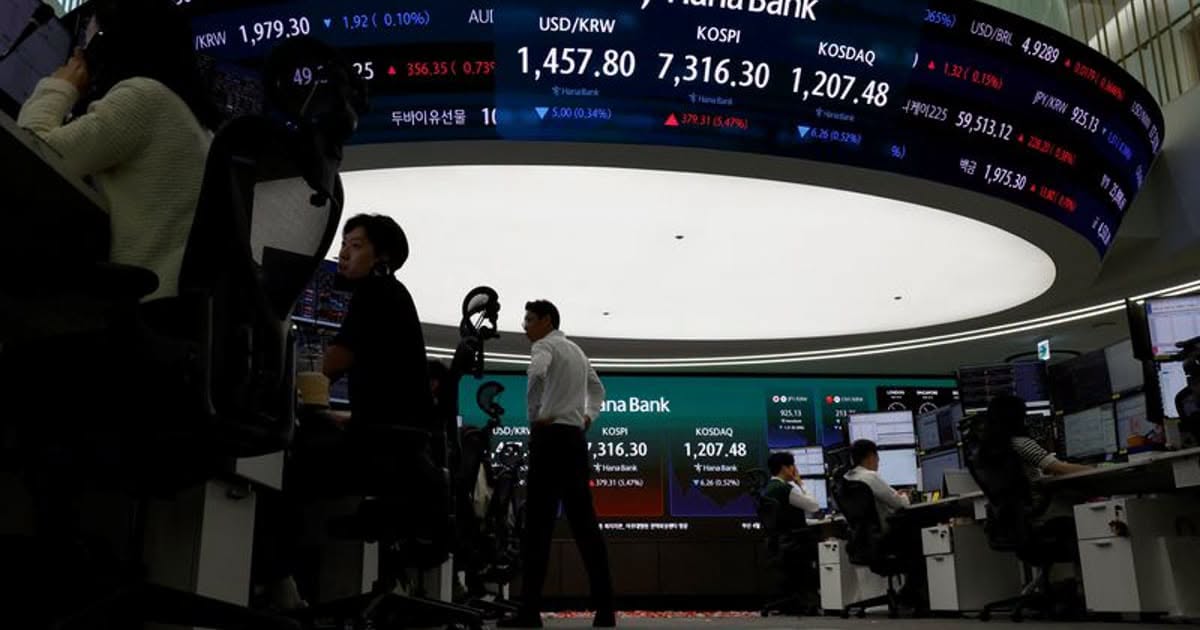
Asian stock markets moved unevenly on Wednesday as investors remained cautious ahead of the US Federal Reserve’s interest rate decision, while a pullback in oil prices offered some relief to markets facing renewed inflation concerns.
The Fed is widely expected to raise borrowing costs, with persistent US inflation and crude oil prices above $100 a barrel adding pressure on policymakers. Expectations of tighter monetary policy have weighed on global equities after a strong first half of the year that pushed several major markets to record levels.
According to AFP, investors are also watching closely for signals on whether the expected rate increase will be a one-time move or the beginning of a broader tightening cycle. Markets are paying particular attention to the number of policymakers who may oppose the decision, as dissent could influence expectations for further hikes later this year.
US Treasury yields have climbed sharply as investors prepare for inflation to remain elevated for longer. The 10-year yield moved above 5% this week, reaching levels not seen since before the 2007-08 global financial crisis.
Asian markets reflected the uncertainty. Tokyo, Shanghai, Sydney and Manila declined, while Hong Kong, Singapore, Wellington, Taipei and Jakarta also traded lower. Seoul was little changed.
Attention is also turning to the Bank of Japan, which is expected to announce its own policy decision on Friday. Rising inflation and efforts to support the Japanese yen are adding pressure on the central bank. The yen has recovered somewhat against the US dollar this month after falling to a four-decade low in July.
Analysts are also assessing the longer-term impact of persistent US inflation on the dollar. If inflation remains closer to 3% rather than returning to the Fed’s 2% target, some investors could reduce their exposure to the US currency despite relatively high interest rates.
In Europe, the Bank of England is expected to keep its benchmark rate unchanged on Thursday as weak economic growth remains a concern.
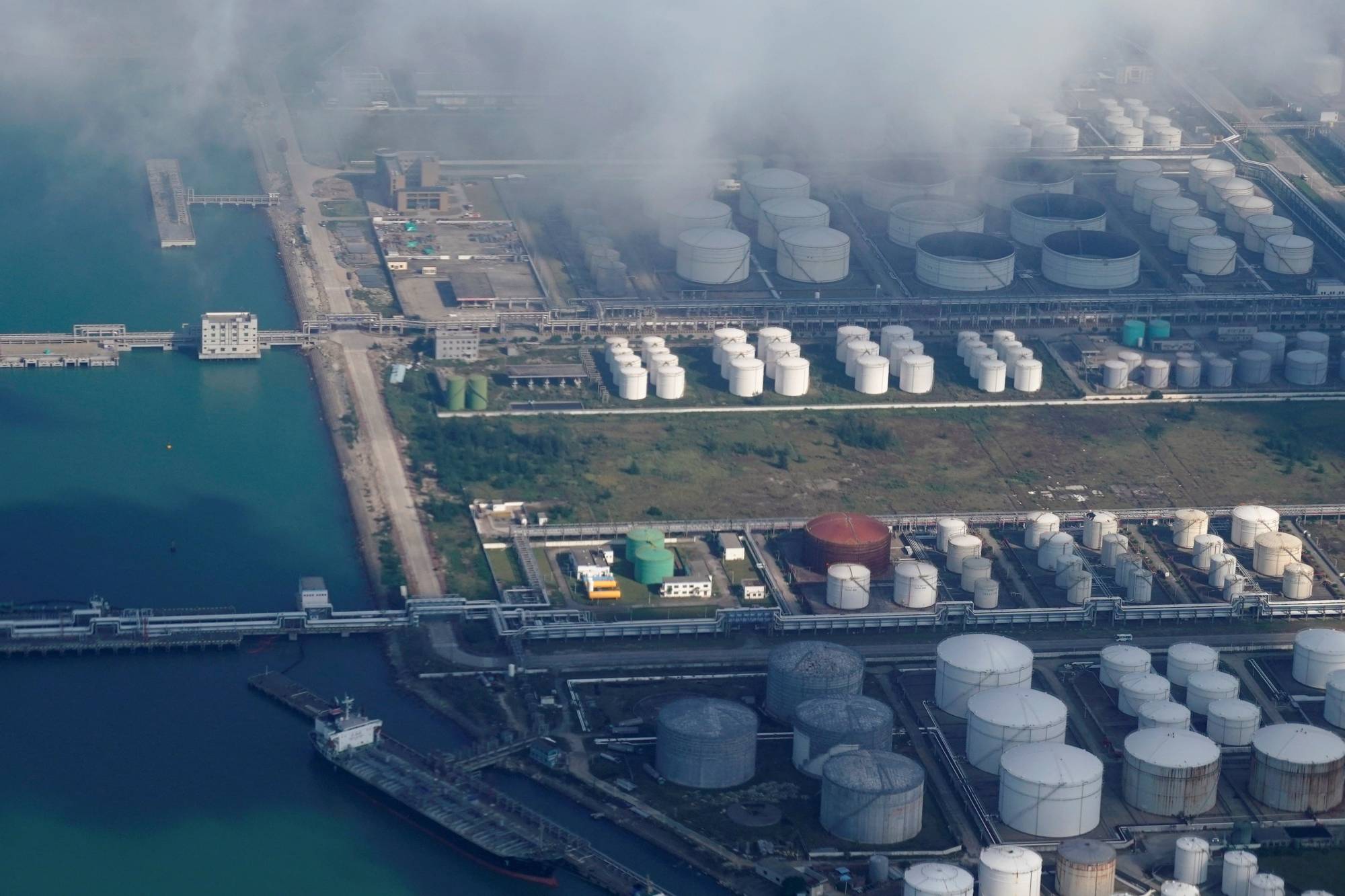
Oil prices provided some relief to investors after falling on Wednesday, although both major crude benchmarks remained above $100 a barrel. Tensions between the United States and Iran, along with the continued closure of a key Saudi Arabian pipeline following attacks, are keeping pressure on global energy markets.
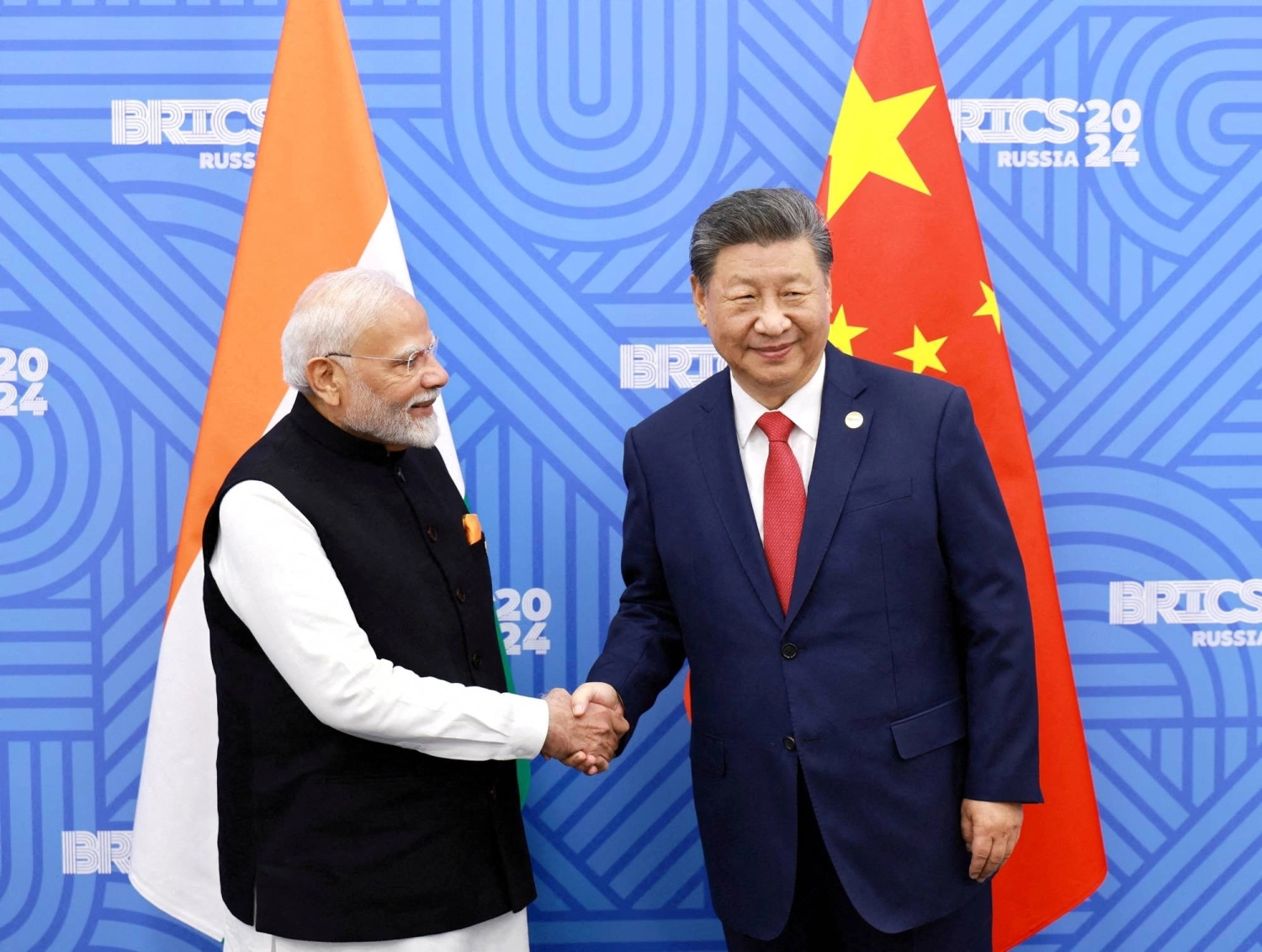
Markets are also watching preparations for a possible meeting between US President Donald Trump and Chinese President Xi Jinping. Reports suggest Washington and Beijing could discuss limited tariff reductions on some goods, including US energy and agricultural products, potentially extending the trade truce reached in 2025.
BOB Post