Cambodia's thriving brick kilns, driven by the remnants of fast fashion, have come under scrutiny due to the hazardous working conditions faced by laborers, with foreign investors, including the UK, implicated in this concerning phenomenon. Researchers from Royal Holloway University revealed that approximately one billion pounds from the UK have been invested in these brick kilns, crucial players in fueling Phnom Penh's construction boom.
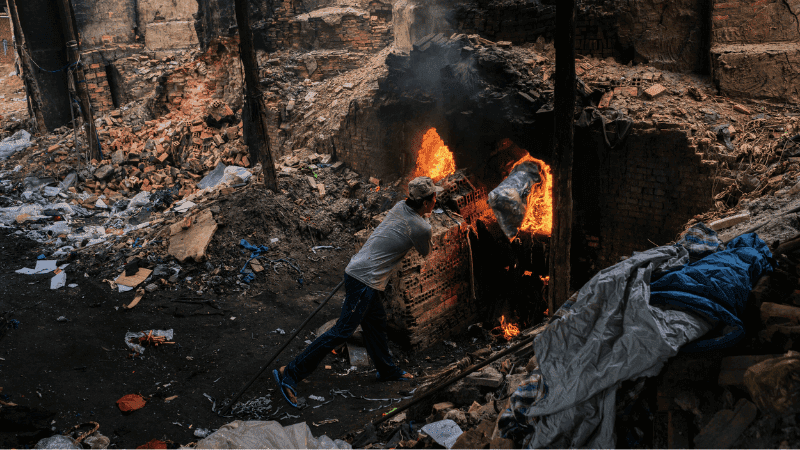
Researchers documented the alarming health impact on brick kiln workers subjected to some of the world's hottest working conditions. The kilns, sustained by scraps from Cambodia's $6 billion garment industry, expose workers to extreme temperatures, toxic fumes from burning plastic and waste materials, and perilous health risks. The study utilised special sensors to record the core temperature of 30 workers over a week, revealing that all experienced heat stress, with core temperatures exceeding 38°C. Such conditions can lead to fatigue, dizziness, nausea, and headaches. Some workers exhibited core temperatures of 40°C, putting them at risk of heat stroke, seizures, loss of consciousness, and even death if not treated promptly.
Workers described their workplaces as "like working inside a burning prison," highlighting the oppressive heat and lack of adequate safety measures. The risk of heat-related illnesses is compounded by exposure to toxic fumes emanating from the burning scraps of fast fashion materials. The dire working conditions faced by these laborers were noticed by accounts of fainting, dehydration, and even heart failure attributed to the intense heat. Some workers admitted returning to work despite health issues, emphasizing the harsh reality that laborers face in their pursuit of livelihoods.
Furthermore, a 2018 report titled "Blood Bricks" by UK academics at Royal Holloway revealed that the scraps from the garment industry contained traces of harmful substances such as chlorine bleach, formaldehyde, ammonia, heavy metals, PVC, and resins. The report also linked brick factory workers to illnesses like migraines and nosebleeds.
The issue extends beyond the hazardous working conditions to encompass environmental and ethical concerns. The scraps used as fuel for the kilns include discarded clothing from Cambodia's garment industry, some bearing labels from well-known Western brands such as Clarks and H&M. The presence of toxic substances in these scraps poses not only a threat to the workers but also to the environment.
Western fashion labels, known for their strict codes of conduct, expressed concern over the allegations. A Disney spokesperson stated that the company was investigating the situation and emphasized its commitment to ethical standards. Clarks called for an investigation by the Cambodian Ministry of Environment and urged affected companies to collaborate in addressing the issue. H&M acknowledged traceability challenges in Cambodia but asserted adherence to waste management guidelines.
The exploitation of workers in Cambodia's brick kilns is further exacerbated by the impact of climate change. The warming climate, coupled with Cambodia's own weather conditions, contributes to an already challenging working environment. Tens of thousands of brick kiln workers across Asia are at risk, with climate change exacerbating existing inequalities. Most of the laborers in these brick kilns were previously farmers who turned to brickmaking due to financial difficulties caused by erratic rainfall and mounting debts. Vulnerable to exploitation, workers find themselves bonded to the kilns, unable to escape due to fear of arrest and imprisonment.
Despite their vital role in supporting Phnom Penh's construction boom, these workers are left behind as the city skyrockets with towering structures. As the dark side of Cambodia's brick kilns fueled by fast fashion scraps comes to light, the call for accountability, ethical practices, and improved working conditions becomes more pressing than ever.
BOB Post