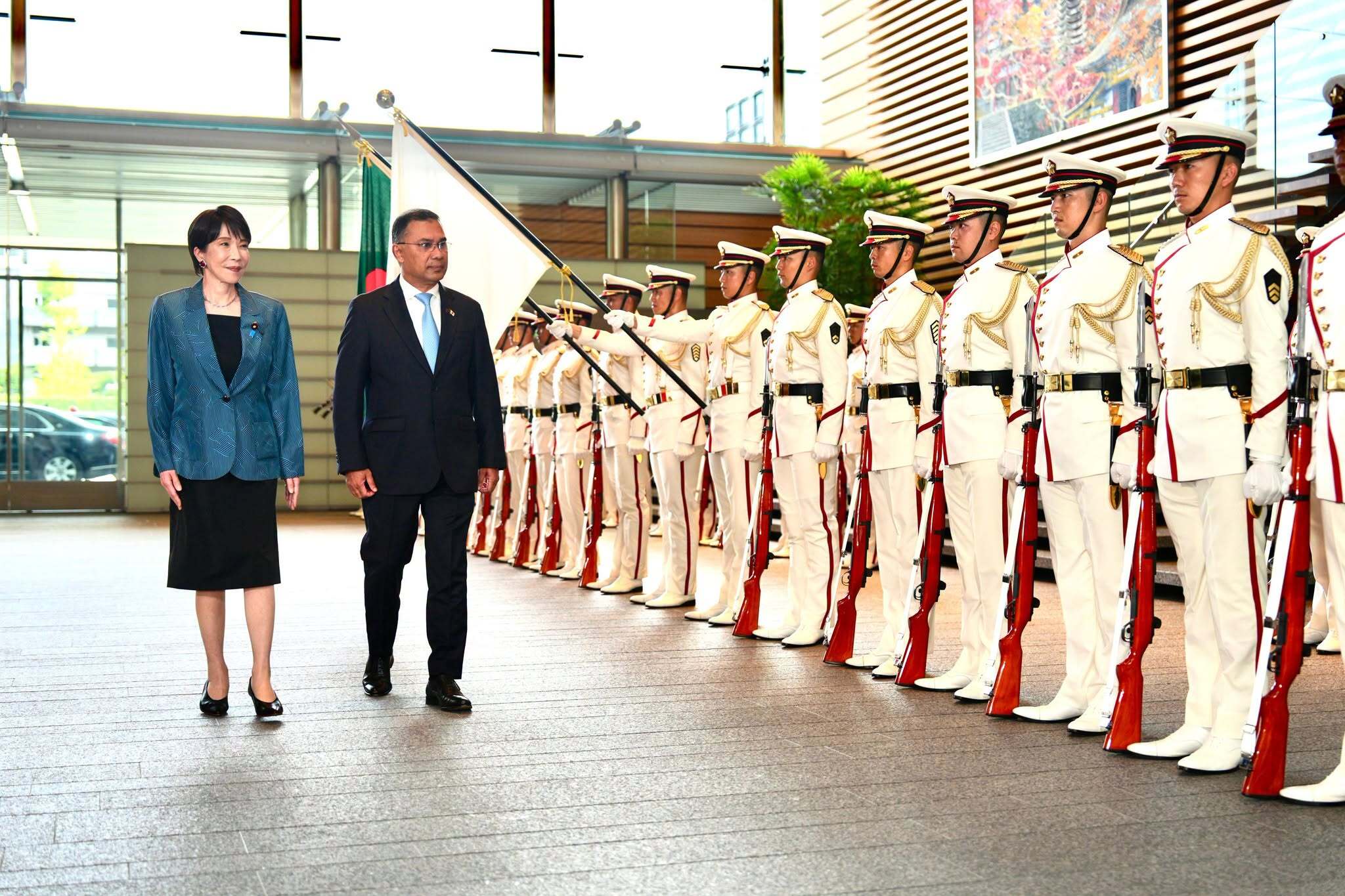
Prime Minister Tarique Rahman’s visit to Japan was about more than investment deals and diplomatic meetings. It reflected Bangladesh’s growing need for energy security, industrial growth, foreign investment and stronger international support for the Rohingya crisis.
Japan has been a long-standing development partner of Bangladesh. But the relationship now needs a new direction. With around 350 Japanese companies operating in Bangladesh, there is room to attract more investment, particularly in energy, technology, automobile manufacturing, railways and agriculture.
Tarique’s invitation to Japanese companies is a step towards that goal. However, investment does not come through invitations alone. Japanese businesses need reliable electricity, a stable policy environment, skilled workers and less bureaucratic uncertainty. Bangladesh must address these concerns if it wants Japanese interest to turn into factories, jobs and technology transfer.
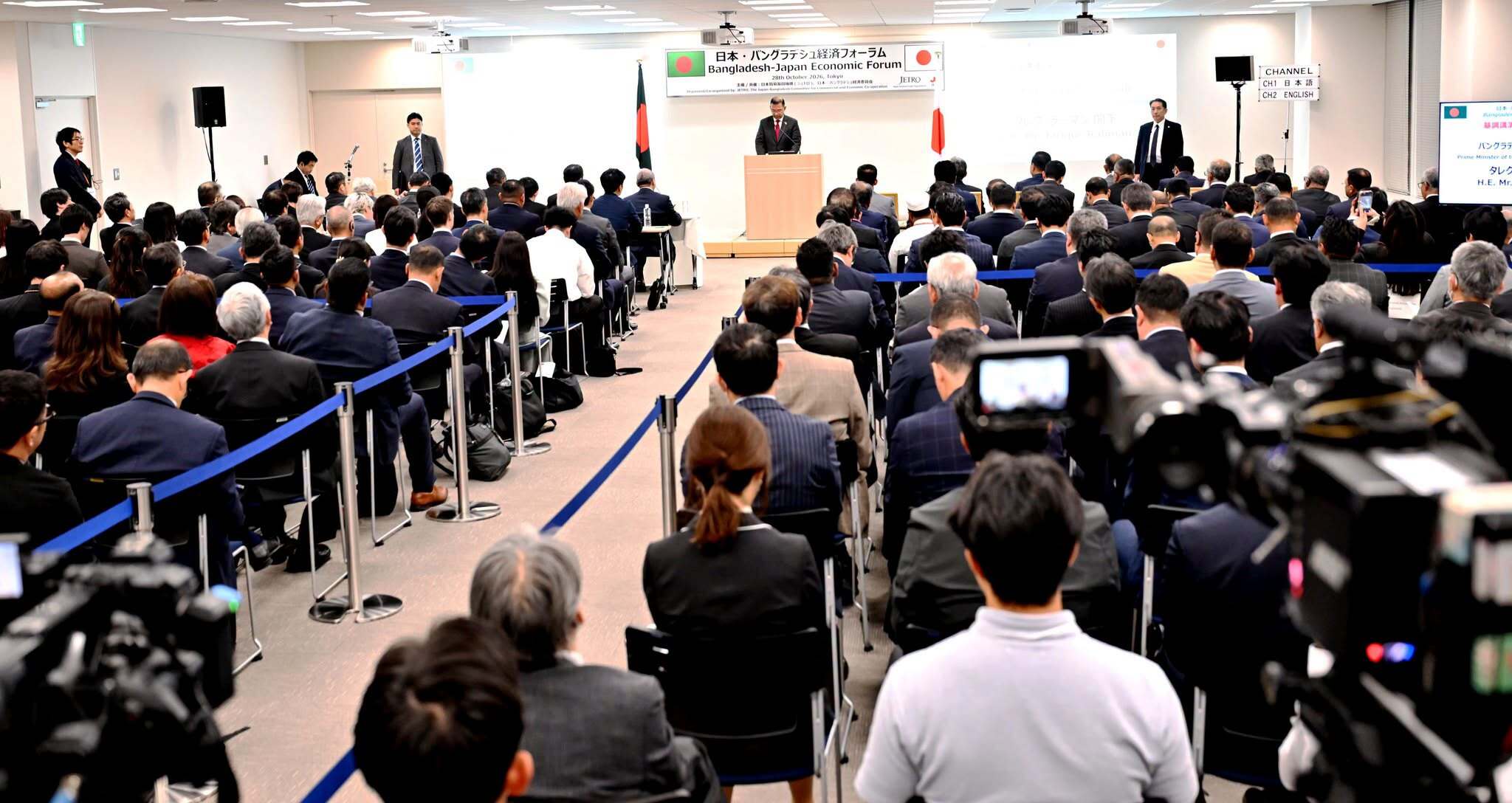
Energy security is especially important. Without affordable and reliable power, Bangladesh will struggle to expand manufacturing and compete in international markets. Japanese technology and financing could help modernise the energy sector, develop renewable energy and improve industrial efficiency. But projects must be commercially viable, not simply attractive on paper.
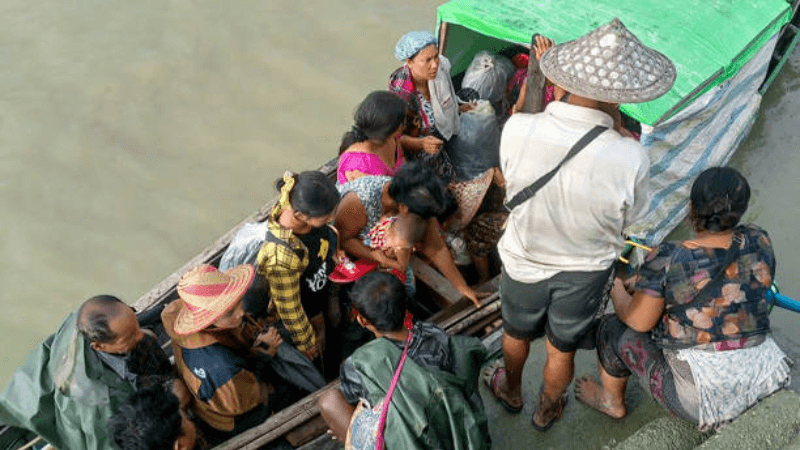
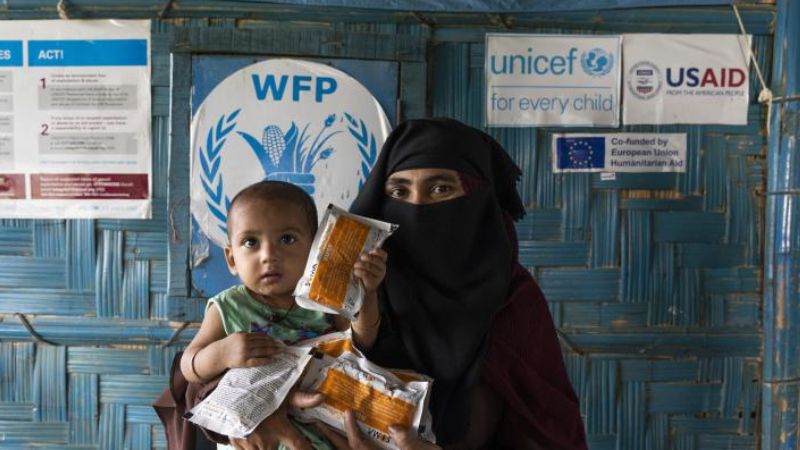
The Rohingya crisis adds another dimension to the relationship. During his meeting with Japanese Prime Minister Sanae Takaichi, Tarique called for Japan’s continued support for the safe, voluntary and dignified return of Rohingya refugees to Myanmar. Japan can help maintain international attention and encourage regional cooperation, although a lasting solution will require wider diplomatic pressure and genuine guarantees of security, citizenship and rights for the Rohingya.
For Bangladesh, the challenge is to ensure that the crisis does not gradually disappear from the international agenda as competing priorities take over. Humanitarian assistance remains necessary, but it cannot replace a political solution in Myanmar.

There is also room to strengthen cultural and people-to-people ties. Educational exchanges, technical training, scholarships and professional cooperation could bring young Bangladeshis and Japanese closer together. Japan’s experience in technology, transport and disaster management also offers lessons for a country increasingly exposed to climate risks.
The Bay of Bengal provides another shared interest. Better ports, railways, industrial connectivity and maritime cooperation could strengthen Bangladesh’s position as a regional economic hub. Japan’s support for the broader BIG-B framework could help advance that ambition, provided projects deliver practical benefits.
Ultimately, Tarique’s visit has opened several doors, but opening them is only the beginning. Bangladesh must now turn diplomatic commitments into investment, reliable energy, employment and stronger international cooperation.
The real success of the visit will not be measured by the agreements signed in Tokyo. It will be measured by what changes in Bangladesh afterwards and whether Japan’s partnership helps the country build a more secure, productive and connected future.
BOB Post