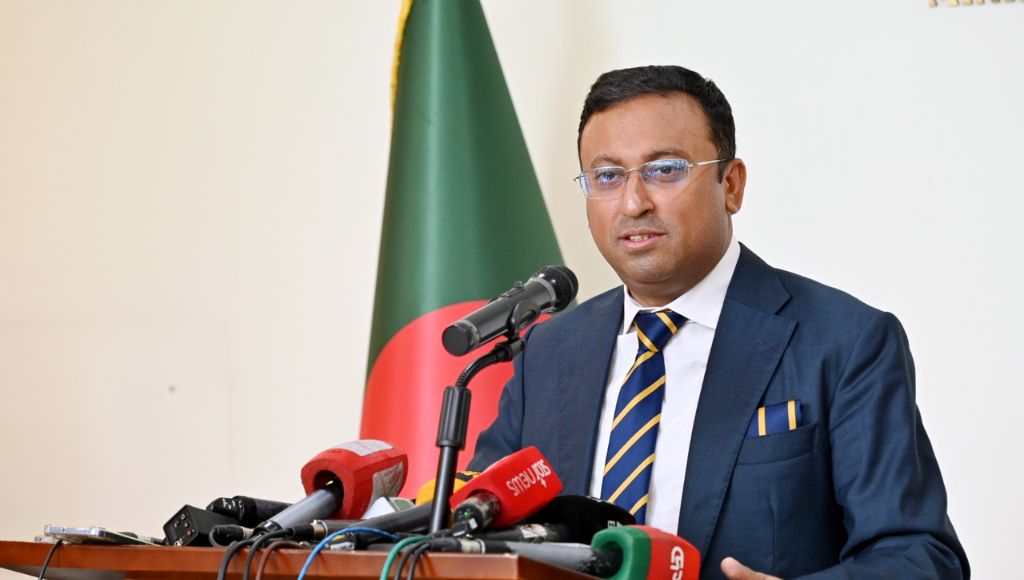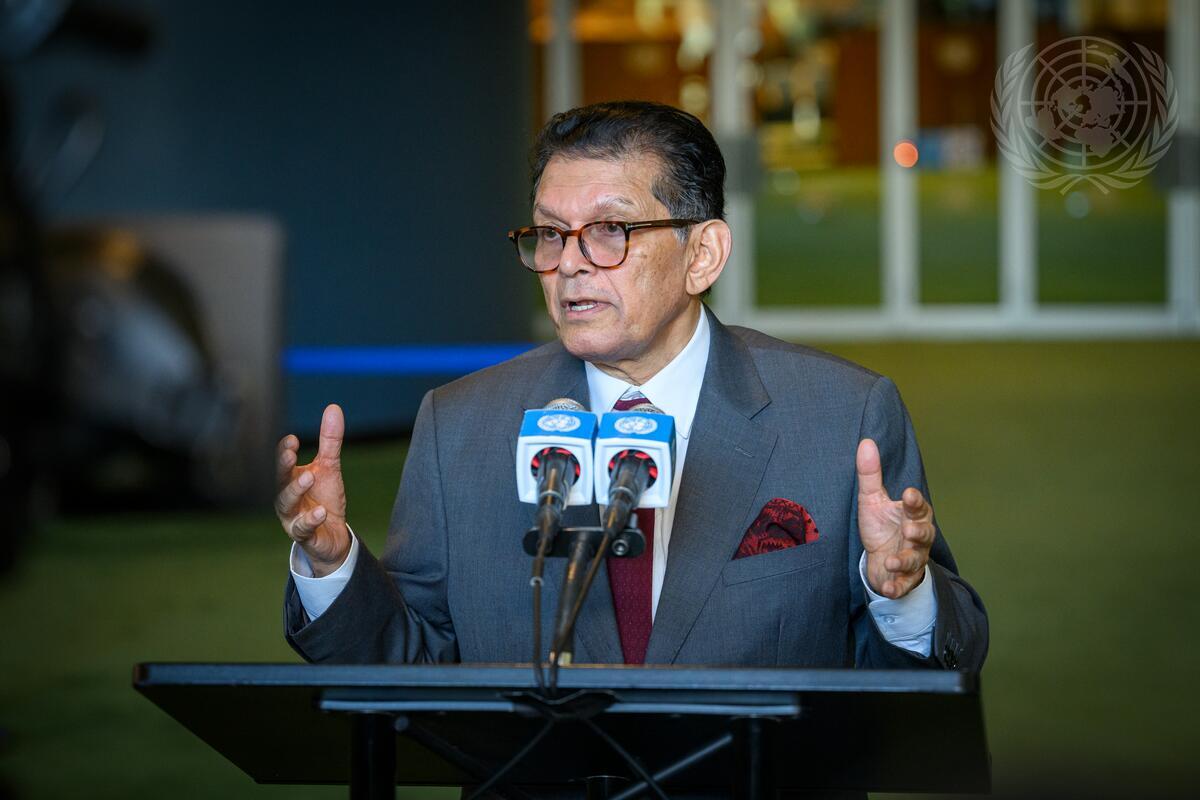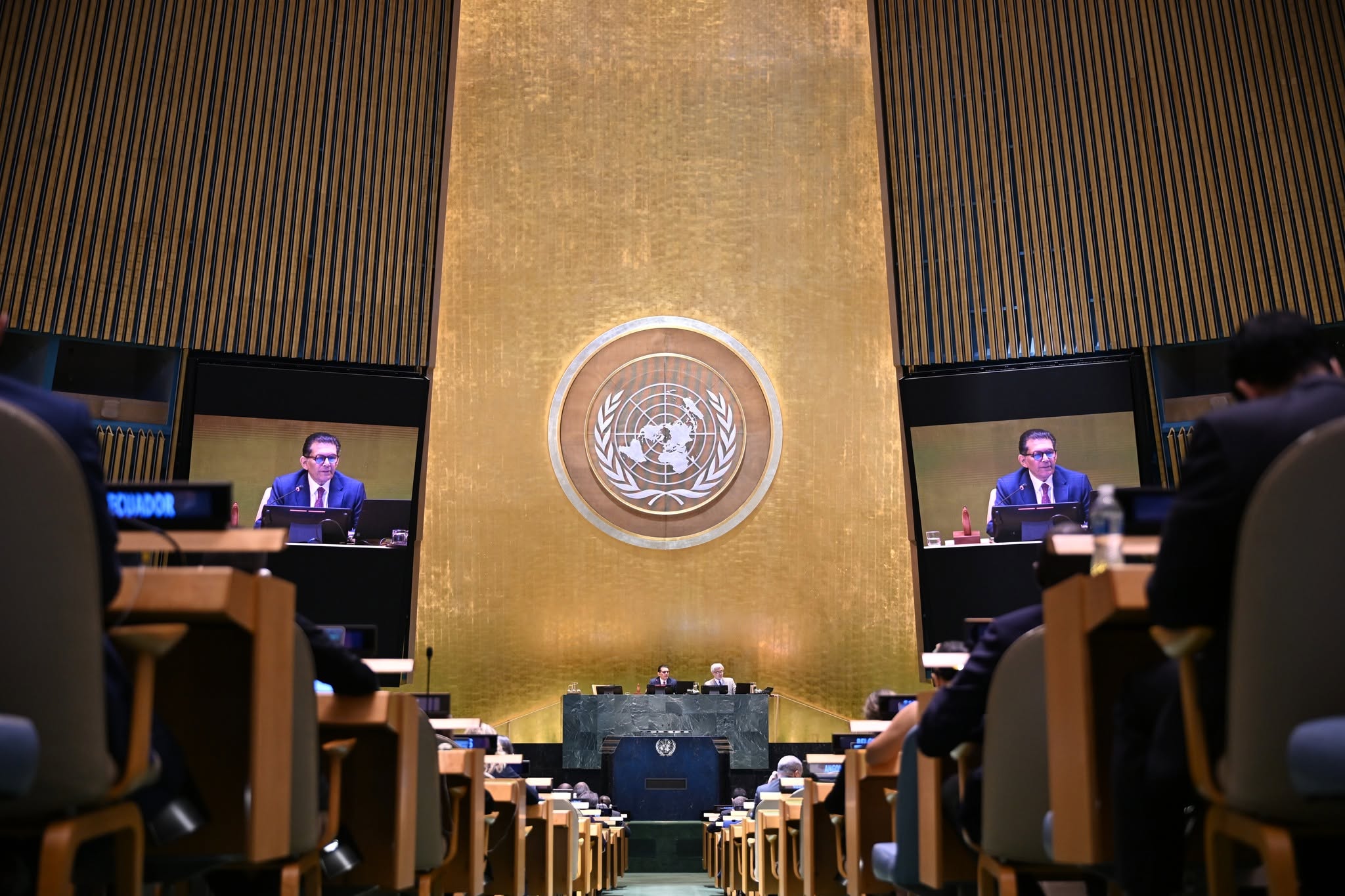
United Nations General Assembly President Dr Khalilur Rahman has described the Rohingya crisis as a “grave human crisis” and warned that violence cannot provide a lasting solution to conflicts.
Speaking to UN News as the UN General Assembly’s 81st session entered its high-level week, Rahman said dialogue and negotiation were the only sustainable ways to resolve conflicts.
“The lesson I carry is this: violence will not solve any problem. It will only defer it and make it worse,” he said. “Only through talks and negotiation, only by coming together, we can resolve these issues.”
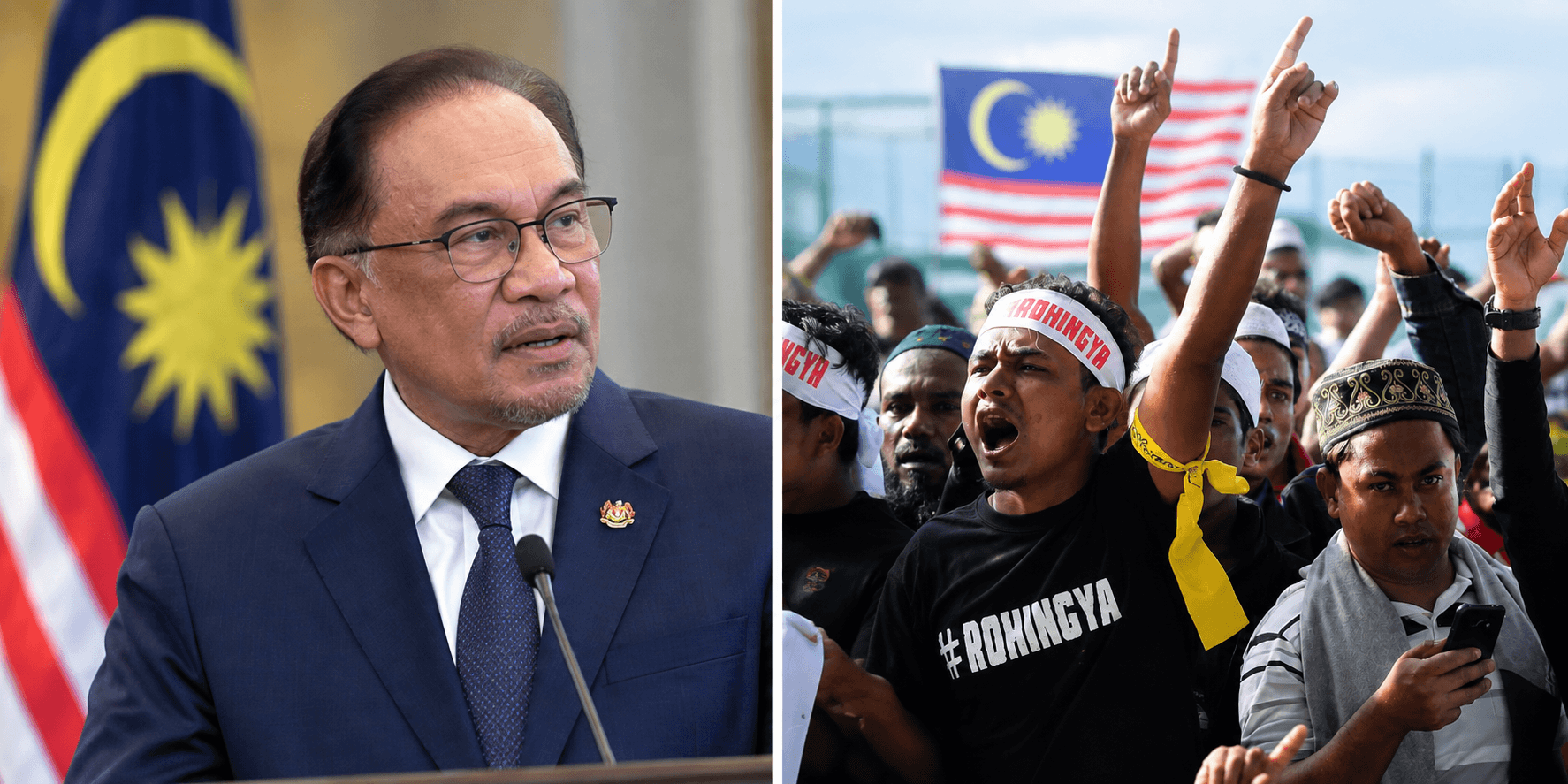
Rahman spoke in deeply personal terms about the suffering of the Rohingya, recalling attacks that forced members of the community from their homes and villages in Myanmar.
He said he had witnessed a population whose homes were bombed and villages burned, while people were driven from their own country. He also highlighted the resilience of Rohingya refugees and their continued desire to return home.
“I also saw their resilience, their ability to survive and their yearning to go home,” Rahman said.
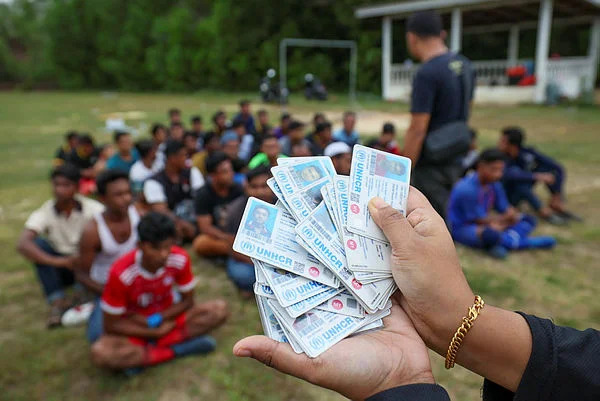
Bangladesh is currently hosting more than 1.3 million Rohingyas in Cox’s Bazar and Bhasan Char. According to UNB, Dhaka is seeking stronger international support for a sustainable solution to the crisis, particularly the safe and dignified repatriation of the forcibly displaced Rohingyas to Myanmar.
Prime Minister Tarique Rahman is expected to use his maiden address to the 81st UN General Assembly to draw renewed international attention to the prolonged Rohingya crisis and call for greater global cooperation.
He is also scheduled to attend a Bangladesh-hosted side event on the Rohingya issue on September 23, where he will seek international support for the earliest possible repatriation of the refugees to Myanmar.
Rahman’s remarks come as the Rohingya crisis enters its ninth year since the mass displacement of Rohingyas from Myanmar in 2017. Despite repeated international calls for safe and voluntary return, conditions in Myanmar’s Rakhine State remain a major obstacle to large-scale repatriation.
Beyond the Rohingya crisis, the UNGA president said restoring public trust in the United Nations would be a central priority during his one-year presidency.
“One of the things I’m looking for most closely is what they say about reviving trust in the organisation,” he said, adding that he wanted the views of world leaders to guide his work on the issue.
Rahman also highlighted human rights as one of the UN’s three main pillars, saying greater attention and resources were needed to advance the organisation’s human rights agenda.
On artificial intelligence, he described the technology as a potential “great accelerator of human endeavour” while warning that it could also create serious risks. He called for governments, technology developers and users to be involved in discussions on safeguards.
For Bangladesh, Rahman’s comments place the Rohingya crisis within a wider international debate over conflict prevention, human rights and the credibility of multilateral institutions. His call for dialogue also comes as Dhaka seeks renewed global engagement to create conditions for a sustainable return of Rohingyas to Myanmar.
BOB Post