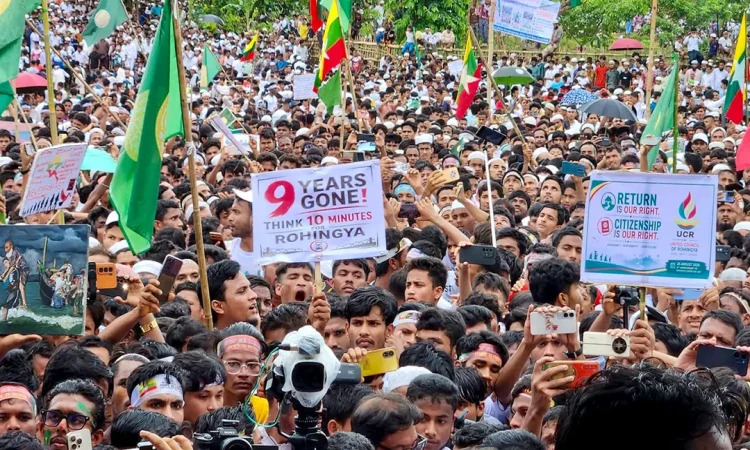
For thousands living in Bangladesh’s refugee camps, November 19 represents more than a court ruling. It carries hopes of recognition, citizenship, security and a dignified return to Myanmar.
For Rohingya refugees living in the camps of Ukhiya and Teknaf in Bangladesh’s Cox’s Bazar, November 19 is becoming a date of deep significance. After years of displacement, persecution and uncertainty, many are looking to the International Court of Justice (ICJ) for a sense of justice and renewed hope of returning to their homeland.
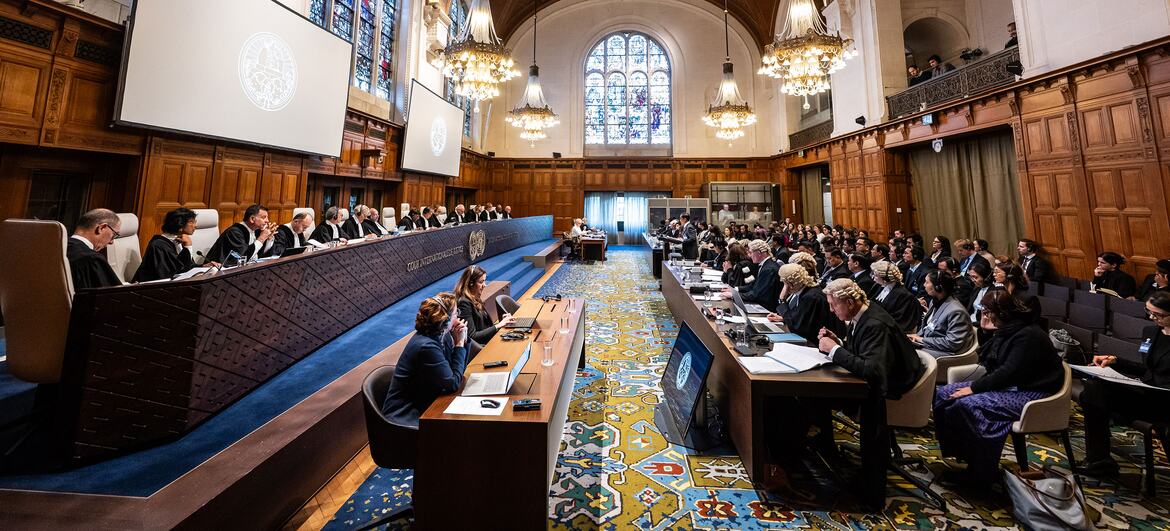
The court is scheduled to deliver its verdict in the genocide case brought by The Gambia against Myanmar over alleged atrocities against the Rohingya. As the date approaches, conversations across the camps increasingly centre on what the judgment could mean for their future, whether it will increase international pressure on Myanmar and, ultimately, whether it can help create conditions for their safe return.
Rohingya community leaders believe the verdict could mark an important step towards international recognition of the crimes committed against their people. They also hope it will strengthen demands for accountability and provide fresh momentum for a safe, voluntary and dignified repatriation process.
For the refugees, however, returning home means much more than crossing the border. They want recognition of their identity and citizenship, freedom of movement, access to education and healthcare, livelihood opportunities and guarantees of security. Without these fundamental rights, many fear that returning to Myanmar could expose them to renewed persecution.
Syed Ullah, founding president of the United Council of Rohingya (UCR), said the community had been waiting for justice for nearly a decade and that the announcement of the verdict date had raised expectations among refugees.
"We hope the court's decision will establish international recognition of the crimes committed against the Rohingya and strengthen our demand to return to our homeland. However, political and diplomatic challenges will remain even after the verdict," he said.
He also pointed to the influence of international politics, particularly the veto powers of permanent members of the United Nations Security Council, as a possible obstacle to implementing the court's decision. Nevertheless, he believes the verdict could help keep the Rohingya crisis firmly on the international agenda.
Khing Mong, the current president of the UCR, expressed similar expectations while acknowledging Bangladesh's humanitarian role in sheltering the displaced population.
He said the generosity of the Bangladeshi government and its people had saved hundreds of thousands of Rohingya lives, adding that the community would remain grateful to Bangladesh even after returning to Myanmar.
"We did not come here to live permanently under tarpaulin shelters. We want to return to our homeland as soon as possible," he said.
Khing Mong said Rohingya communities around the world were hopeful that the court would rule in favour of The Gambia and help establish justice for the persecuted Muslim minority of Arakan, now Rakhine State.
He stressed that those responsible for genocide, persecution and other abuses against the Rohingya must be held accountable. Above all, he said, the community wanted a sustainable return to their homeland.
The expectation is equally strong among camp residents. Nabi Hossain, head majhi of Block E at the Leda Rohingya camp in Teknaf, said the entire community was watching the proceedings closely.
"We are looking towards the international community with the hope of returning to our own country. We do not want to spend another moment under tarpaulin shelters," he said.
Describing the suffering of successive generations, he called on the international community to help establish conditions that would allow Rohingya refugees to return safely.
"We do not want another generation to grow up experiencing the same suffering. If an environment suitable for our return is created, we will go back to Arakan ourselves," he added.
A long legal battle for accountability
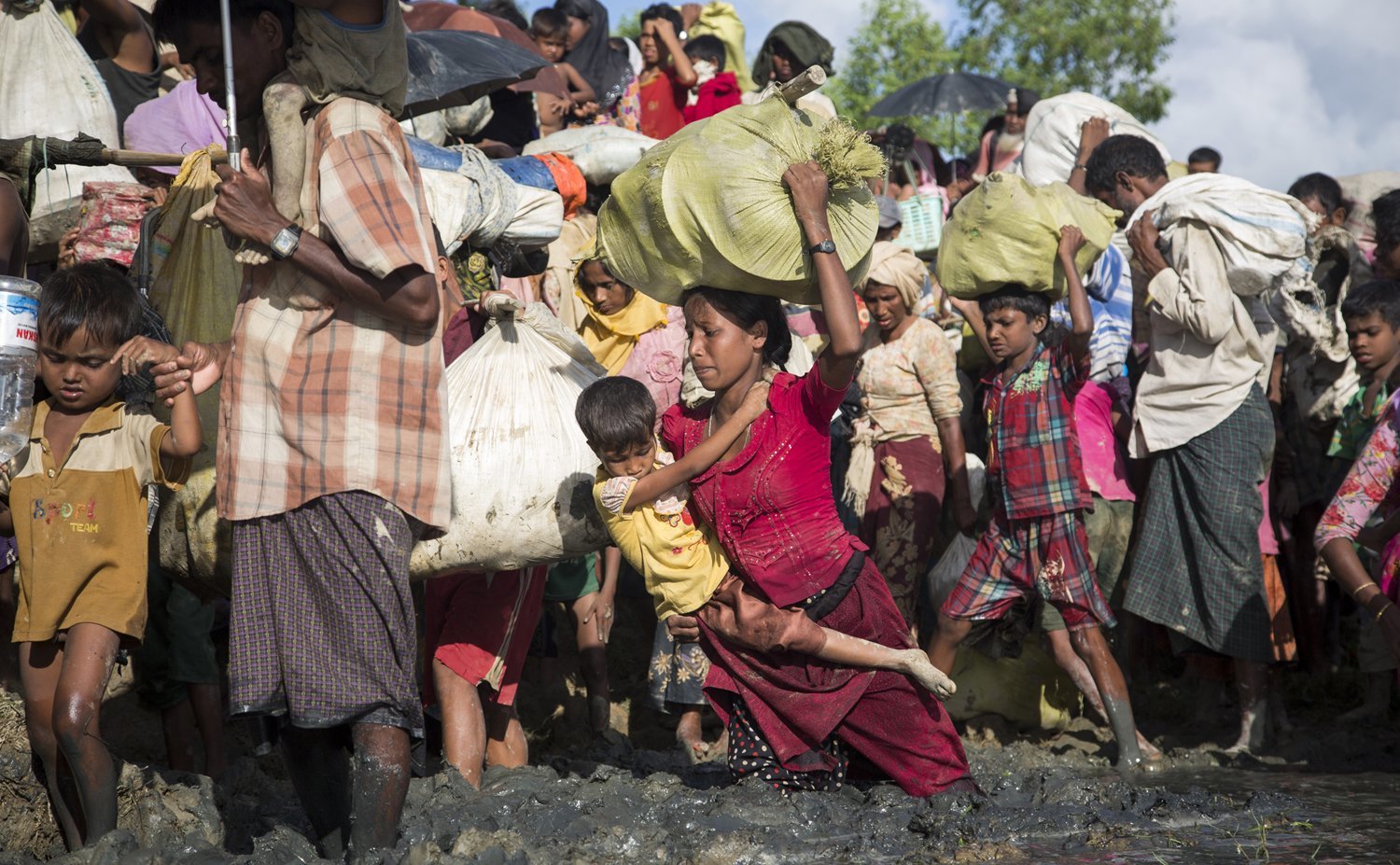
More than 700,000 Rohingya fled Myanmar's Rakhine State in 2017 following a military crackdown involving widespread killings, sexual violence and the destruction of villages. Alongside earlier waves of displacement, more than 1.3 million Rohingya are now living in refugee camps in Cox's Bazar and on Bhasan Char in Bangladesh.
Despite several repatriation initiatives over the years, no sustainable return has taken place. Disagreements over citizenship, security, freedom of movement and basic rights remain major obstacles.
The ICJ case has therefore become an important international legal avenue for the Rohingya's pursuit of justice.
The Gambia filed the case against Myanmar on November 11, 2019, alleging violations of the 1948 Genocide Convention. It argued that Myanmar's actions against the Rohingya in Rakhine State constituted acts of genocide and sought to establish the country's international responsibility.
On January 23, 2020, the court issued provisional measures directing Myanmar to prevent acts prohibited under the Genocide Convention, ensure that its military and other forces did not commit such acts, and preserve evidence related to the allegations.
Myanmar subsequently challenged the court's jurisdiction and the admissibility of the case. However, on July 22, 2022, the ICJ rejected its preliminary objections, allowing the proceedings to continue.
The case has also attracted wider international involvement, with 11 countries, including Canada, Denmark, France, Germany, the Netherlands, the United Kingdom, Maldives, Slovenia, the Democratic Republic of Congo, Belgium and Ireland, seeking to intervene.
Bangladesh seeks stronger international pressure
Bangladesh has consistently maintained that the sustainable repatriation of Rohingya refugees to Myanmar is the only lasting solution to the crisis and has continued diplomatic efforts to mobilise international support.
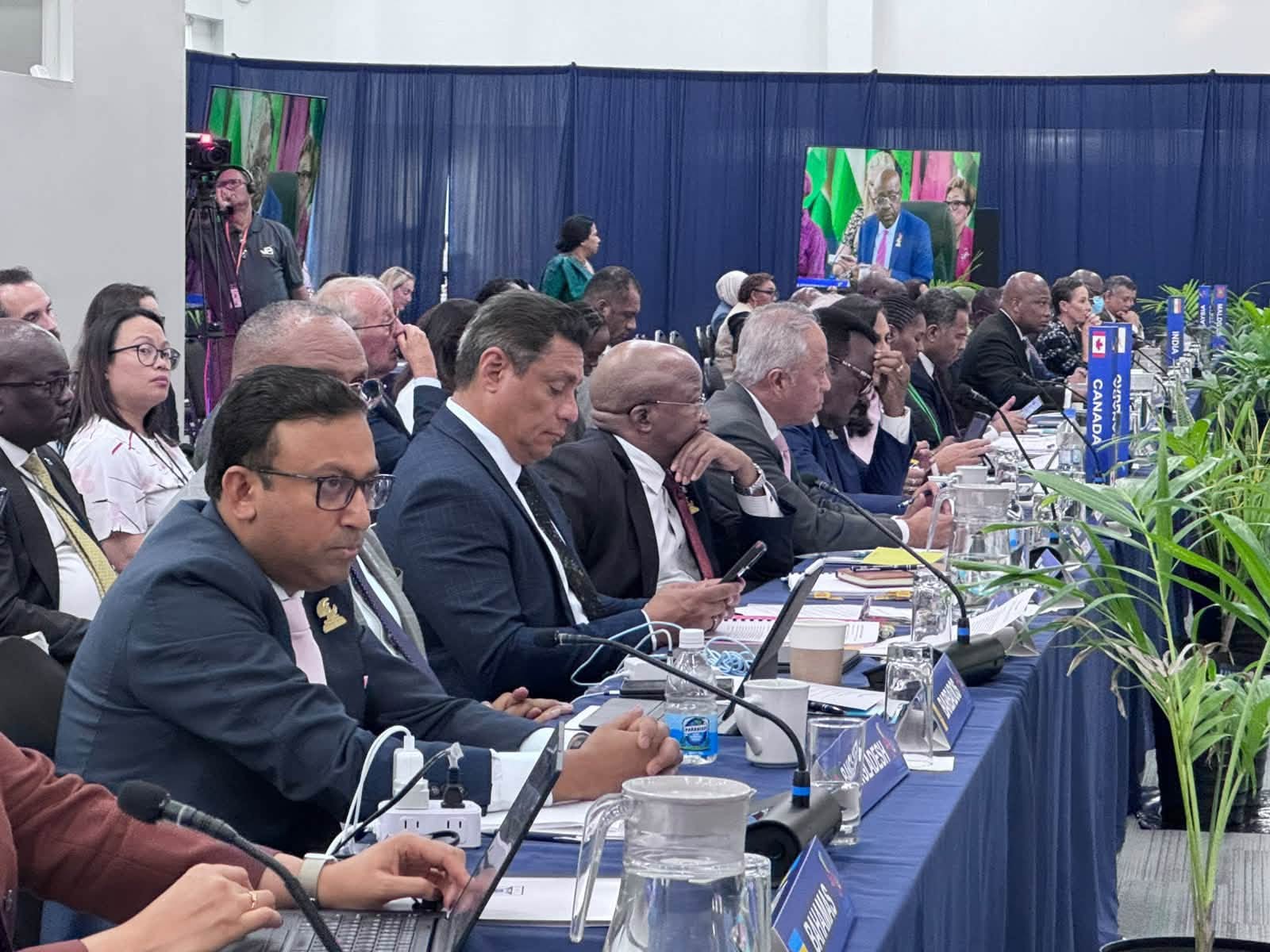
On August 27, Foreign Affairs State Minister Humayun Kabir met Gambian Attorney General and Justice Minister Dawda A. Jallow on the sidelines of the 23rd OIC Council of Foreign Ministers conference.
Their discussions covered the Rohingya crisis and developments in the genocide proceedings at the ICJ. Bangladesh praised The Gambia's role in pursuing justice for the Rohingya and emphasised the need for coordinated diplomatic efforts to ensure their safe, voluntary and dignified return to Myanmar.
Refugee Relief and Repatriation Commissioner (RRRC) Mohammad Mizanur Rahman said the verdict could carry considerable moral and diplomatic significance for the displaced community.
He said international recognition of the Rohingya's historical roots in Myanmar or their citizenship status, if addressed by the court, could challenge Myanmar's longstanding narrative portraying them as outsiders.
"Such recognition could become an important document against Myanmar's claim that the Rohingya are foreigners," he said.
However, he cautioned against expecting an immediate start to repatriation following the verdict.
"The judgment may not directly lead to repatriation overnight. But it could strengthen the Rohingya's position and increase international pressure on Myanmar to facilitate their return," he added.
The security situation in Rakhine State remains another major concern. Ongoing fighting between Myanmar's military and the Arakan Army has further complicated the prospects for repatriation, leaving the future of the displaced population uncertain.
Ultimately, a court ruling alone cannot resolve the crisis. A sustainable solution will require political commitment, effective international pressure and concrete guarantees of citizenship, security and fundamental rights for the Rohingya in Myanmar.
For the refugees waiting in Bangladesh, November 19 is therefore about more than the outcome of a legal battle. It represents nearly a decade of waiting, the struggle to reclaim an identity denied to them and the hope that future generations will not have to grow up in displacement.
Their demand remains unchanged: to return to their homeland in Myanmar's Rakhine State, not as stateless refugees, but as people recognised as citizens with equal rights, dignity and security.
BOB Post