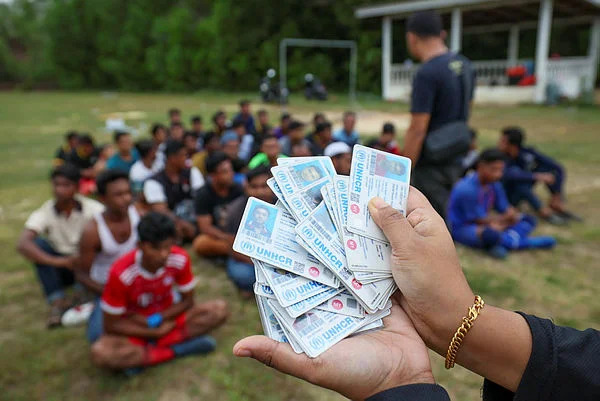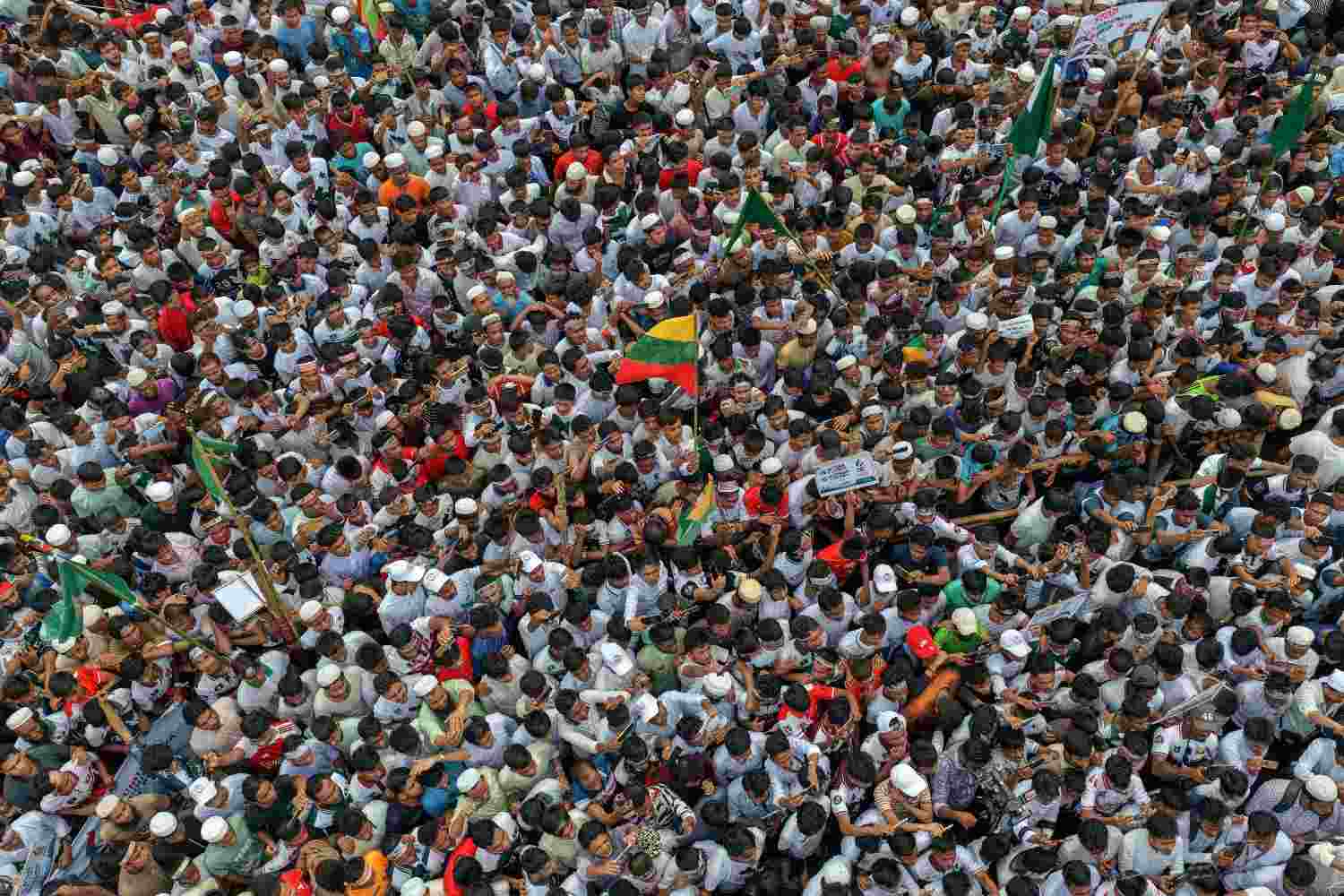
Human Rights Watch (HRW) has warned that Rohingya refugees living in Bangladesh's overcrowded camps are facing escalating dangers from landslides, floods and extreme weather during the ongoing monsoon season, urging the international community to increase support for humanitarian and disaster-risk reduction efforts.
The New York-based rights organization said the deadly impact of recent monsoon rains underscores the urgent need for improved infrastructure, better camp planning and renewed international funding, particularly as fresh arrivals from conflict-ridden Myanmar continue to seek refuge in Bangladesh.
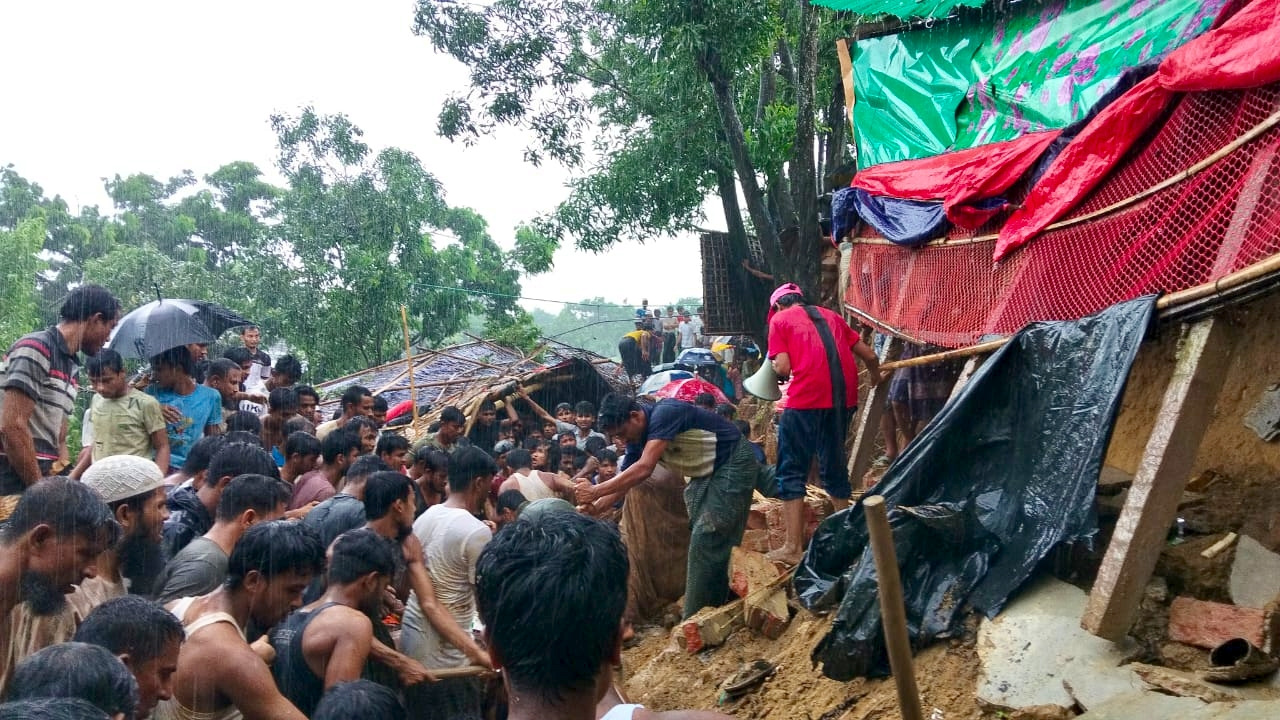
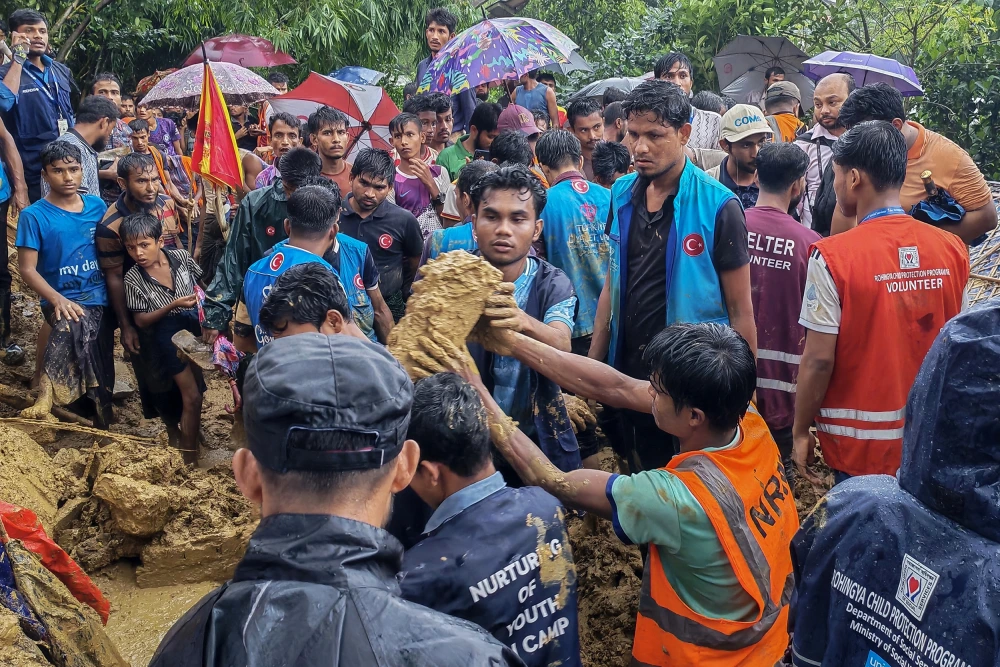
The warning comes after landslides and heavy rains in Cox's Bazar this month reportedly killed at least 17 people and displaced more than 3,000 others. According to HRW, the United Nations High Commissioner for Refugees (UNHCR) has repeatedly cautioned that overcrowded refugee settlements remain highly vulnerable to cyclones, flash floods and landslides.
HRW called on the Bangladesh government, the United Nations and international donor countries to work together to reduce overcrowding in the camps and restore funding for critical infrastructure, including embankments, drainage systems, access roads and emergency relocation sites.
"Every monsoon is becoming increasingly deadly for Rohingya refugees in Bangladesh, with denuded hills sliding away under makeshift structures, as the funding to buttress the camps has dried up. These are not simply natural disasters but a predictable outcome of policies that put refugees' lives at risk," said Meenakshi Ganguly, Deputy Asia Director at Human Rights Watch.
According to the Rohingya Coordination Platform, cited by HRW, 286 weather-related incidents were recorded across the refugee camps between July 4 and July 9, affecting more than 26,000 refugees. The incidents included 95 landslides that displaced over 4,300 people, partially damaged 2,809 shelters and completely destroyed 13.
HRW also highlighted concerns over the camps' physical layout, quoting a water, sanitation and hygiene engineer working in Bangladesh who said many settlements were built by cutting hills without adequate drainage systems. The engineer said funding shortages have limited sustainable landslide-prevention measures, while restrictions on permanent construction have further complicated efforts to improve resilience.
The organization said newly arrived Rohingya refugees are among the most vulnerable because many have not been allocated formal shelters and are forced to occupy hazardous areas or arrange accommodation on their own.
HRW cited the case of a refugee who arrived in Bangladesh in August 2024 and said repeated requests for shelter had been unsuccessful. On July 6, two of his daughters and two grandchildren reportedly died after the makeshift shelter they had built near a hillside collapsed during heavy rain.
The rights group also noted that Bangladesh has yet to approve a UNHCR proposal seeking additional land to accommodate new arrivals, who are currently living within the existing 24-square-kilometre camp area in Cox's Bazar.
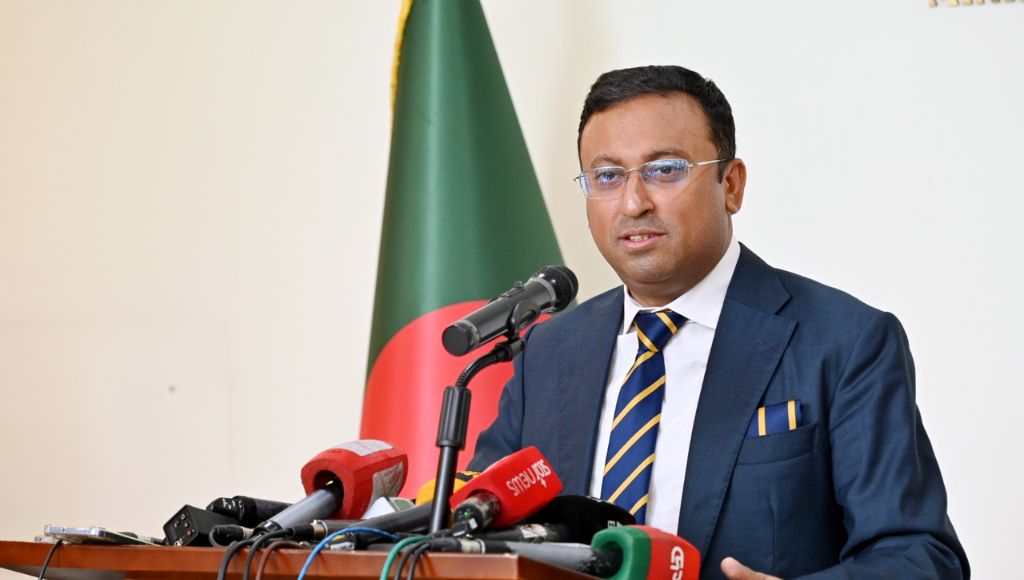
At the same time, Bangladesh has consistently maintained that it has carried a disproportionate humanitarian burden by hosting more than one million forcibly displaced Rohingyas since the mass exodus from Myanmar in 2017. Dhaka has repeatedly stressed that the refugee crisis originated in Myanmar and that sustainable repatriation, rather than long-term settlement in Bangladesh, remains the only durable solution. Bangladeshi authorities have also urged the international community to share greater responsibility by increasing humanitarian funding and intensifying diplomatic efforts to create conditions for the safe, voluntary and dignified return of the Rohingyas to their homeland.
"Rohingya refugees won't benefit from further hand wringing, but by an urgent and effective response. Concerned governments need to act instead of waiting for the next landslide to sweep away another Rohingya family," Ganguly said.
BOB Post