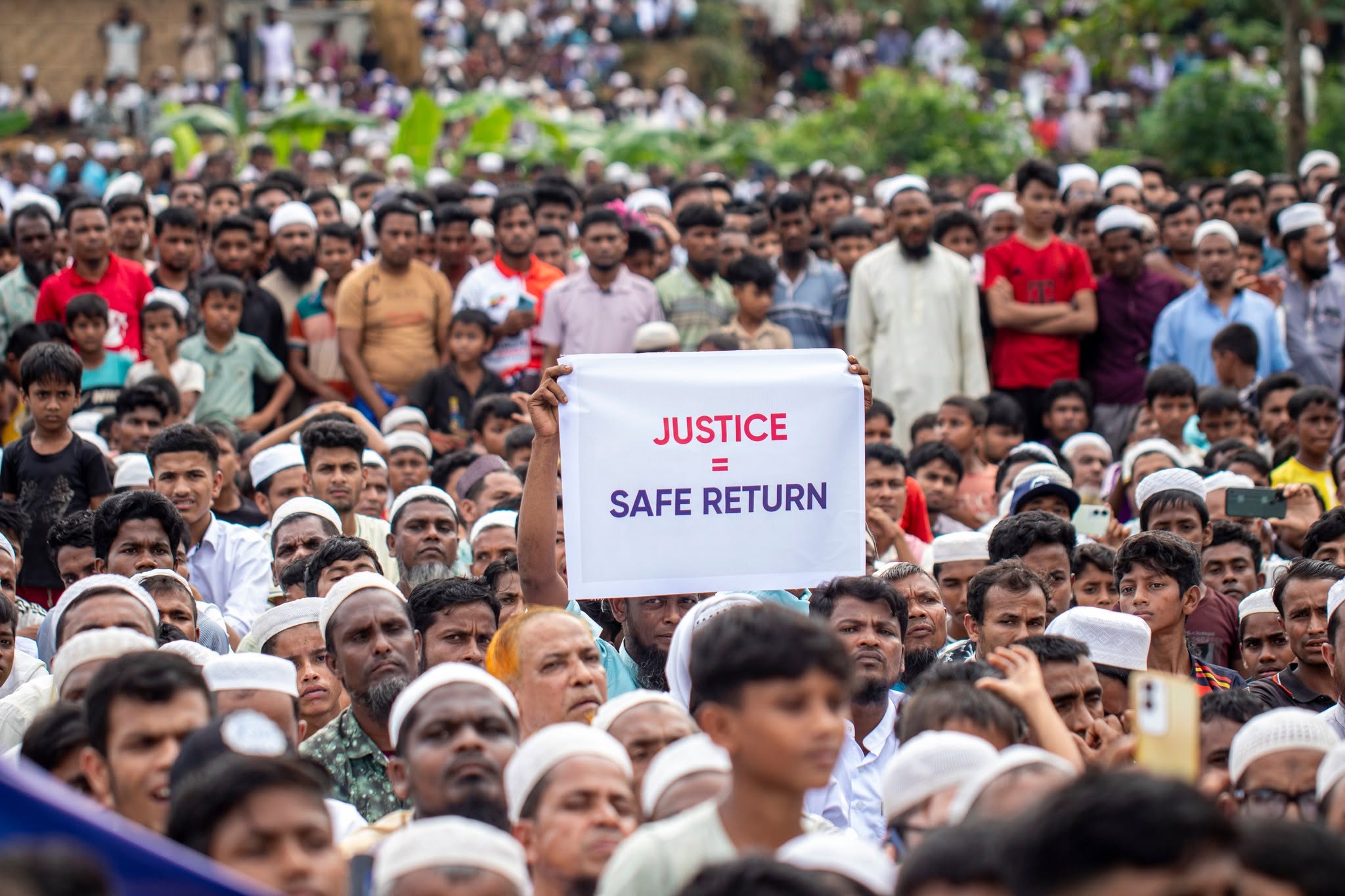
As many as 82.6% of Rohingya youths living in Bangladesh’s refugee camps are willing to return to Myanmar if guaranteed citizenship and equal rights. This was revealed in a new study by BRAC, highlighting the importance of fundamental rights in ensuring sustainable repatriation.
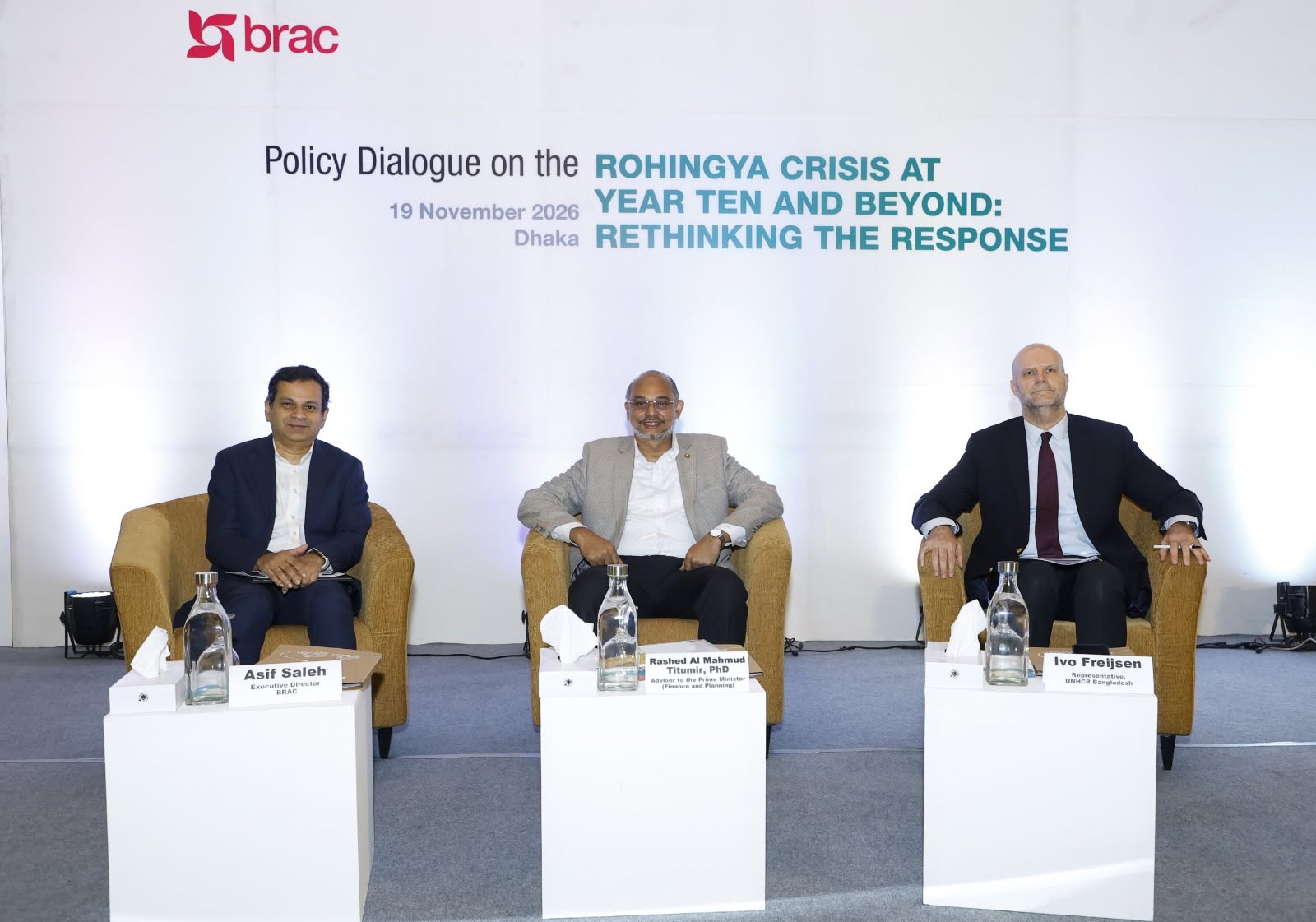
The findings were presented at a policy dialogue in Dhaka on Thursday, November 19. The study, titled “Between Aspiration and Reality: Livelihoods, Camp Life and the Hope of Return," highlights the importance of fundamental rights and economic opportunities in ensuring sustainable repatriation.
According to Bangladesh Post, 76.7% of surveyed Rohingya youths expressed willingness to return under favorable conditions. The figure increased to 82.6% when citizenship and equal rights were guaranteed. The study also found that 79.3% of income-earning youths were willing to return, compared with 53.4% of those without income.
The research exposed a serious education and employment gap among young refugees. Nearly half, or 49.7%, were neither studying nor working. The situation was particularly severe among young women, with 84.5% outside both education and employment, compared with 14% of young men.
The crisis has also placed growing pressure on host communities. Around 66.7% of local youths said the refugee situation had negatively affected their livelihoods, while 72.2% viewed hosting Rohingya refugees as harmful to their communities. However, only 23.4% supported forced repatriation.
Based on interviews with 576 Rohingya youths and an equal number of young people from host communities in Ukhiya and Teknaf, the survey was conducted in March and April 2025.
BRAC officials warned that cuts in humanitarian assistance would not resolve the crisis and could push refugees towards exploitation and dangerous migration routes. BRAC Executive Director Asif Saleh stressed the need for sustainable solutions rather than reducing aid.
The study stressed that safe, voluntary and dignified repatriation depends on guarantees of citizenship, equal rights, security, education and livelihood opportunities in Myanmar.
BOB Post