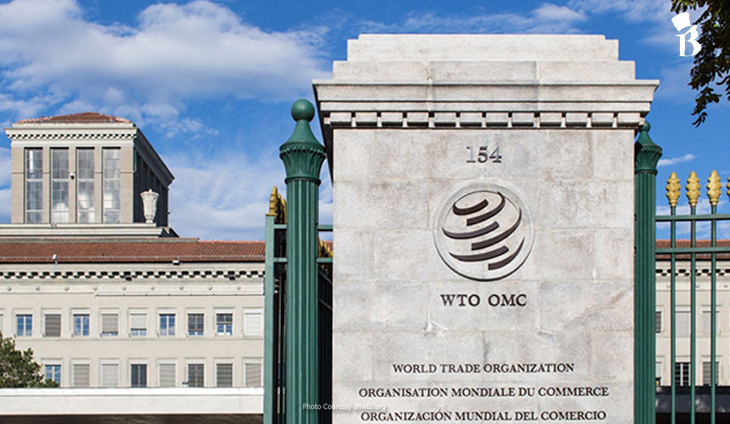
A group of members of the World Trade Organization (WTO) has adopted the world’s first set of global digital trade rules, marking a significant step toward regulating the fast-growing digital economy and reshaping cross-border commerce.
The agreement on electronic commerce finalized on March 28 was endorsed by 66 WTO members, accounting for roughly 70 per cent of global trade. Among the signatories are major economies such as China, Japan, Australia, Canada, the European Union, United Arab Emirates, Philippines and United Kingdom.
Spearheaded by Singapore alongside Australia and Japan, the pact represents the culmination of nearly a decade of negotiations under the Joint Statement Initiative on e-commerce, aimed at embedding digital trade disciplines within the WTO framework.
Singapore’s Minister-in-charge of Trade Relations, Grace Fu, said the deal would unlock new economic opportunities by lowering transaction costs, strengthening trust, and improving inclusivity in cross-border digital trade. The agreement, she added, reinforces the WTO’s role in setting rules for 21st-century commerce and remains open to all members willing to join.
According to The Straits Times, the agreement is expected to significantly benefit Singapore’s trade-dependent economy, where businesses and start-ups are increasingly reliant on digital platforms for global expansion.
The pact introduces key provisions to facilitate digital trade, including the legal recognition of electronic transactions and the equivalence of digital and paper-based documentation. It also bans customs duties on electronic transmissions among participating members, a move designed to promote the free flow of digital goods and services.
In addition, the agreement commits countries to protect consumers against fraudulent and deceptive online practices, while enhancing cooperation on regulatory frameworks governing digital trade.
The WTO emphasized the urgency of implementing such rules, noting that digital transactions now account for over 60 per cent of global GDP. Joint research with the Organization for Economic Co-operation and Development warns that failure to adopt common digital trade standards could result in annual global trade losses of up to $159 billion.
Despite broad backing, the agreement faces hurdles to universal adoption. India has opposed the initiative, arguing that WTO agreements should be reached by full consensus among all members. Meanwhile, the United States has yet to sign on, with the deal still under government review.
Analysts say the agreement could pave the way for further negotiations on complex issues such as cross-border data flows, an area of growing importance for digital economies worldwide.
BOB Post