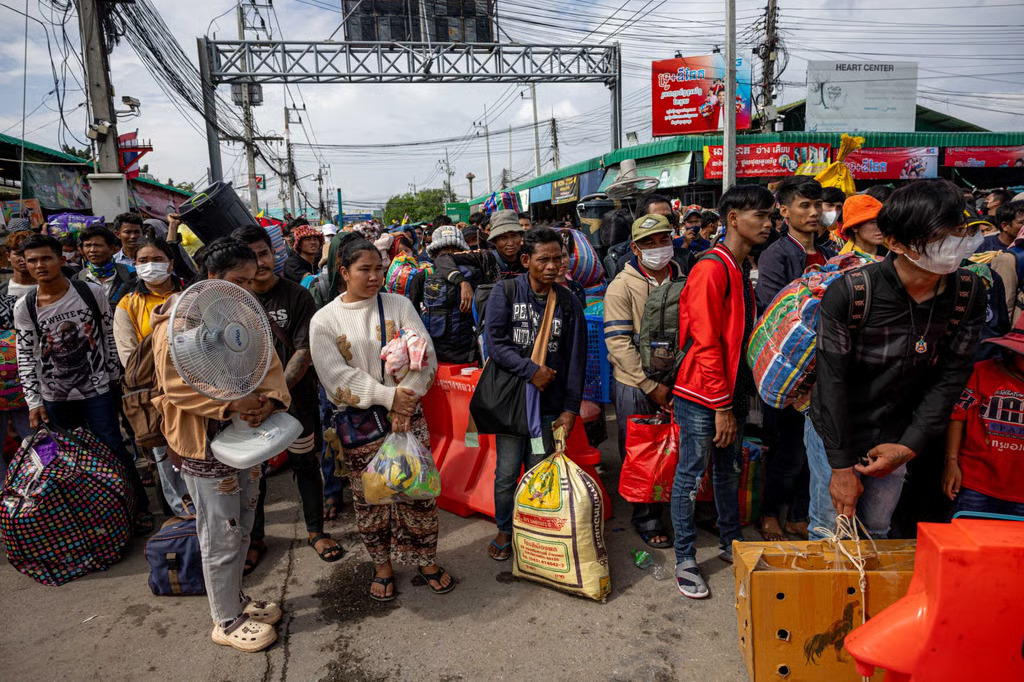
Thailand is struggling to fill labour shortages after hundreds of thousands of Cambodian migrant workers left the country following last year’s border conflict, exposing its heavy reliance on cross-border labour.
According to the South China Morning Post, Thai employers are facing shortages in agriculture, manufacturing, construction, tourism and services. The Joint Standing Committee on Commerce, Industry and Banking said the number of Cambodian workers had fallen sharply, affecting sectors including fruit harvesting, rice-export logistics and factory production.
Thailand has extended work permits for eligible Myanmar, Lao and Vietnamese workers until December 2027. But labour experts say retaining workers already in the country cannot fully replace the workers who have left.
Myanmar remains Thailand’s largest source of migrant labour. However, tighter exit controls, military conscription and rising travel and brokerage costs are making new recruitment more difficult.
The International Labour Organization said workers from distant countries such as Sri Lanka would also involve higher airfare costs. Meanwhile, migrant rights groups said some Myanmar workers are paying high fees to brokers to enter Thailand through irregular routes.
Thailand is seeking new labour agreements with countries including Sri Lanka, Bangladesh and Indonesia. But employers warn that replacing workers from neighboring countries will take time and could increase recruitment costs, adding pressure to key sectors of the Thai economy.
BOB Post