Foreign Affairs Adviser Md Touhid Hossain has warned that the unresolved Rohingya crisis poses an escalating threat to Bangladesh and regional stability, urging stronger global action to ensure repatriation.
Speaking at a seminar titled “Repatriation of Rohingya in Bangladesh: Strategic Implications on Regional Security and Ways Ahead”, organised by the Armed Forces Division and the Bangladesh University of Professionals (BUP), Hossain said the chances of safe, voluntary repatriation remain grim due to Myanmar's fractured political situation.
“The crisis is long-standing and increasingly dangerous,” he said, citing growing risks of unrest and radicalisation within the camps housing over 1.3 million Rohingyas.
He criticised Bangladesh’s early reliance on bilateral diplomacy, calling it ineffective, and urged international stakeholders—including the Arakan Army—to be part of future negotiations.

National Security Adviser Khalilur Rahman dismissed reports of a proposed “humanitarian corridor” into Rakhine, calling the term misleading and unendorsed.
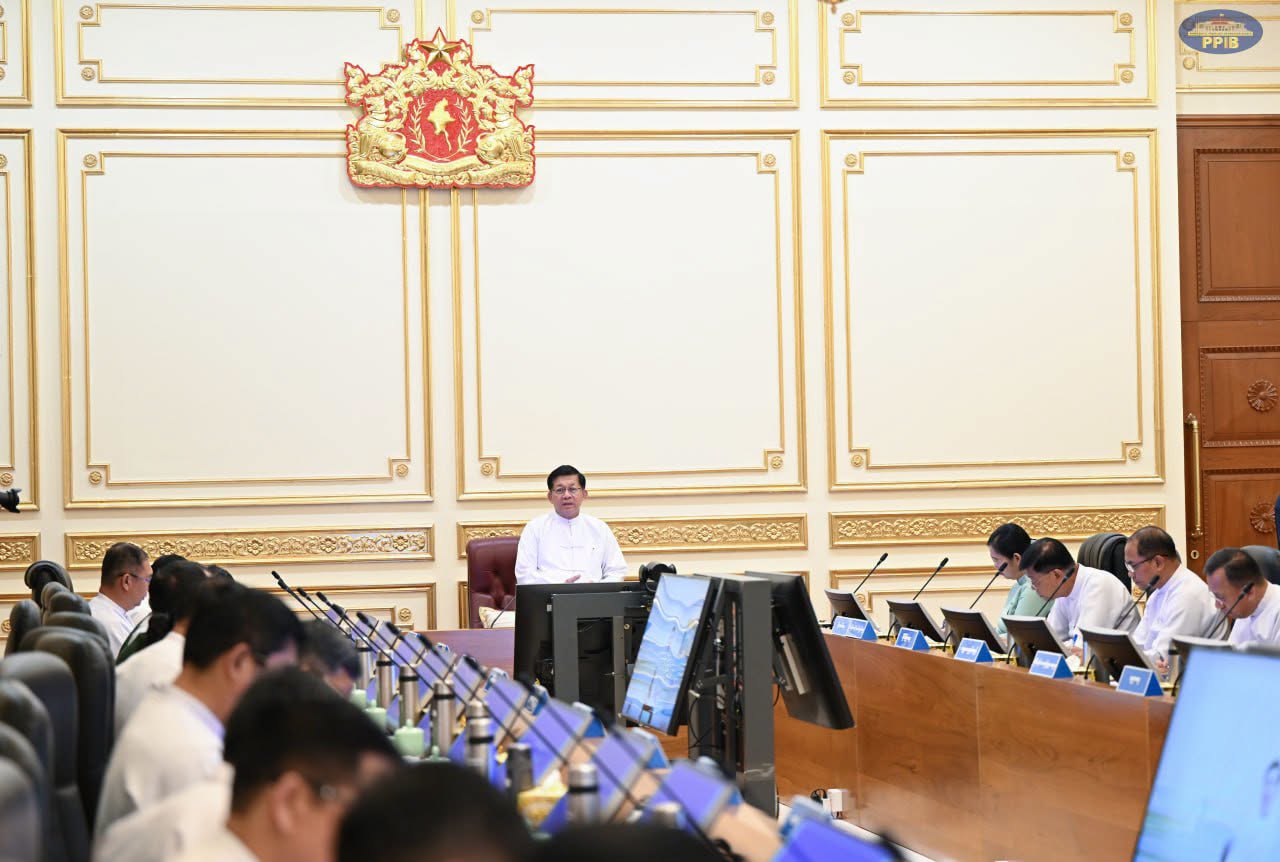
Lieutenant General SM Kamrul Hassan of the Armed Forces Division highlighted the collapse of central control in Rakhine and called for coordinated international support.
Experts at the seminar stressed that without urgent and unified global pressure, the Rohingya crisis risks further destabilising the region.
Analysts say the continued impasse in Rohingya repatriation poses not only a humanitarian burden but an increasingly volatile security threat in the Bay of Bengal region. Bangladesh, while continuing to host the displaced population, now calls for a more proactive role from international stakeholders—including ASEAN, China, and the UN Security Council—to break the deadlock.
As the crisis stretches into its eighth year without a single Rohingya repatriated, Bangladesh’s leadership is signaling that the window for peaceful resolution is narrowing—unless the global community steps up its commitment to justice, rights, and regional stability.