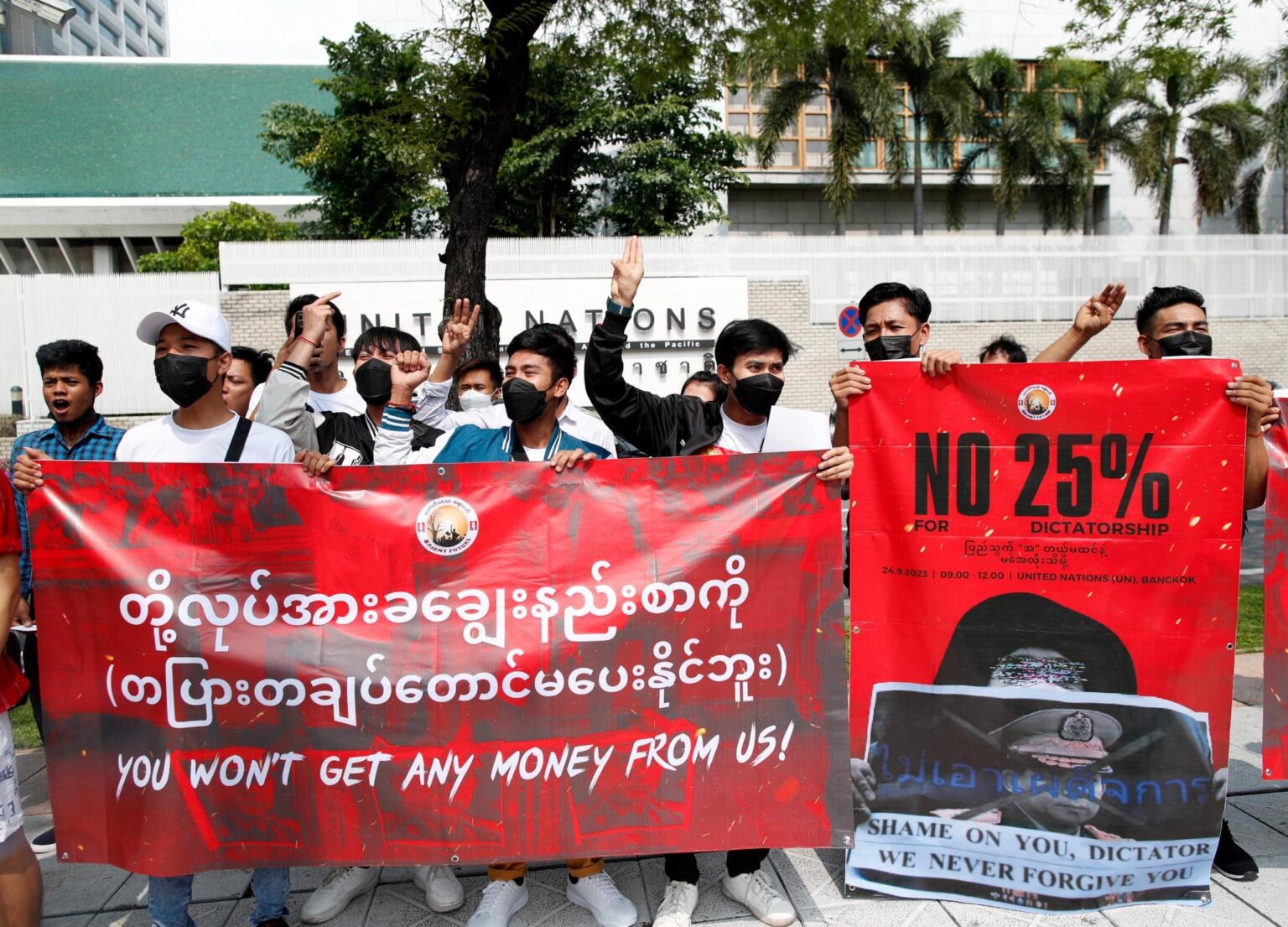
More than two million Myanmar migrant workers in Thailand have backed a campaign urging the country’s parallel National Unity Government (NUG) to issue alternative identity documents, rejecting a new registration process introduced by Myanmar’s military regime.
The boycott reflects growing opposition to the regime’s Certificate of Identity (CI) system, which requires migrant workers to pay taxes and remit part of their earnings through official channels to qualify for the documents.
Thailand is home to an estimated four million Myanmar migrant workers, including documented and undocumented people. At least 600,000 are expected to apply for CIs in the latest registration round. However, most have stayed away from the five centres opened across Thailand on October 14.
According to The Irrawaddy, more than two million workers participated in a weeklong online poll launched by the Myanmar Migrant Workers’ Representative Coordinating Committee in Thailand (MMWRCCT). The campaign seeks to demonstrate workers’ support for the NUG as their legitimate government and calls on Thai authorities to allow them to work and reside legally without obtaining regime-issued CIs.
Under the new rules, applicants must prove that they have remitted at least 25 percent of their wages through official channels and paid a two percent annual income tax. Migrant rights advocates say the requirements amount to financial exploitation and could help fund the military's ongoing war.
Khin Soe of the MMWRCCT said workers viewed the CI process as a means of extracting foreign currency and personal information that could potentially be used for military conscription. The committee plans to submit the poll results to the NUG's Labour Department, while a separate petition will be presented to the Thai government.
The campaign has also gained support from Thai opposition lawmakers and labour rights organisations. MP Anuson Tamajai has called for the government to review or cancel the CI centres, warning that allowing the Myanmar regime to control migrant registration could undermine Thailand's national security and sovereignty.
Thailand's Labour Minister Julapun Amornvivat has meanwhile said his ministry will formally raise objections to the mandatory remittance requirement with its Myanmar counterpart, arguing that the policy violates migrant workers' rights and falls short of international standards.
Despite mounting criticism, Myanmar's military authorities have defended the scheme. Newly appointed Labour Minister Maung Myint has threatened legal action and restrictions on returning home for workers who refuse to comply.
The growing boycott highlights the political and economic tensions surrounding Myanmar's overseas workforce, as migrant workers increasingly resist a registration system they fear could expose them to exploitation, surveillance and forced conscription.
BOB Post