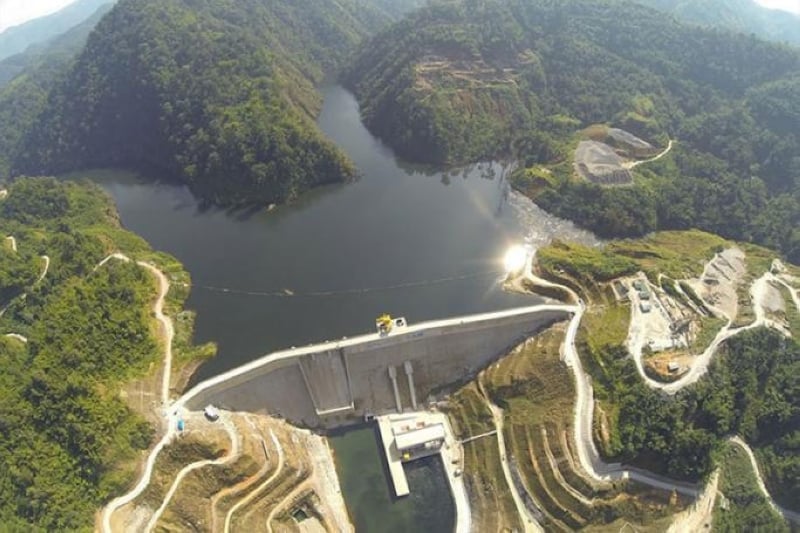
Myanmar's government is moving to restart construction of the Chinese-backed Myitsone hydropower project in northern Kachin State, with officials aiming to complete the massive dam within the next eight years, according to multiple sources familiar with internal discussions.
The renewed push follows President Min Aung Hlaing's visit to China last month, where the project was discussed as part of broader bilateral cooperation. The Myitsone dam, originally valued at around $3.6 billion, was suspended in 2011 after widespread public opposition over environmental concerns and fears of large-scale displacement.
According to Reuters, Kachin State Chief Minister Khet Htein Nan recently told local officials that construction would resume soon and that a formal announcement would be made. A Kachin lawmaker also said the president had already indicated that the project would move forward.
The project, planned at the confluence of the Mali and N'Mai rivers, is expected to generate about 6 gigawatts of electricity, with the majority originally intended for export to China. Government spokesperson Khaing Khaing Soe said authorities were reviewing concerns over flooding and community relocation while assessing whether the project's benefits outweigh its potential environmental and social impacts.
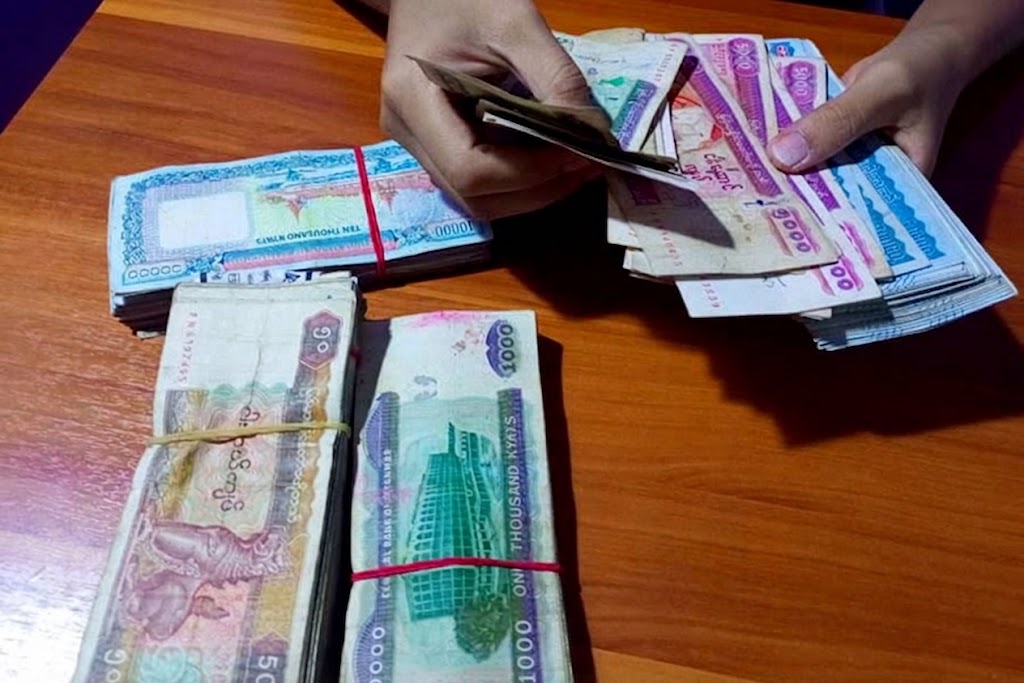
Although the dam's original cost was estimated at $3.6 billion, restarting the project could now require as much as $11.5 billion, according to estimates based on regional hydropower construction costs. Myanmar's authorities are working to revive the scheme despite the country's ongoing conflict and power shortages.
Officials involved in recent discussions said Chinese representatives have assured Myanmar that newer engineering technologies can better address environmental risks than when the project was first proposed. They also described the dam as a key infrastructure project that could help ease the country's severe electricity deficit.
The project site lies about 37 kilometres from Kachin State's capital, Myitkyina, in an area also considered vulnerable to earthquakes. Concerns over dam safety have resurfaced following the powerful earthquake that struck central Myanmar earlier this year, adding to long-standing debate over the project's environmental and social implications.
It remains unclear whether the original agreement, under which most of the electricity generated would be exported to China, has been revised.
BOB Post