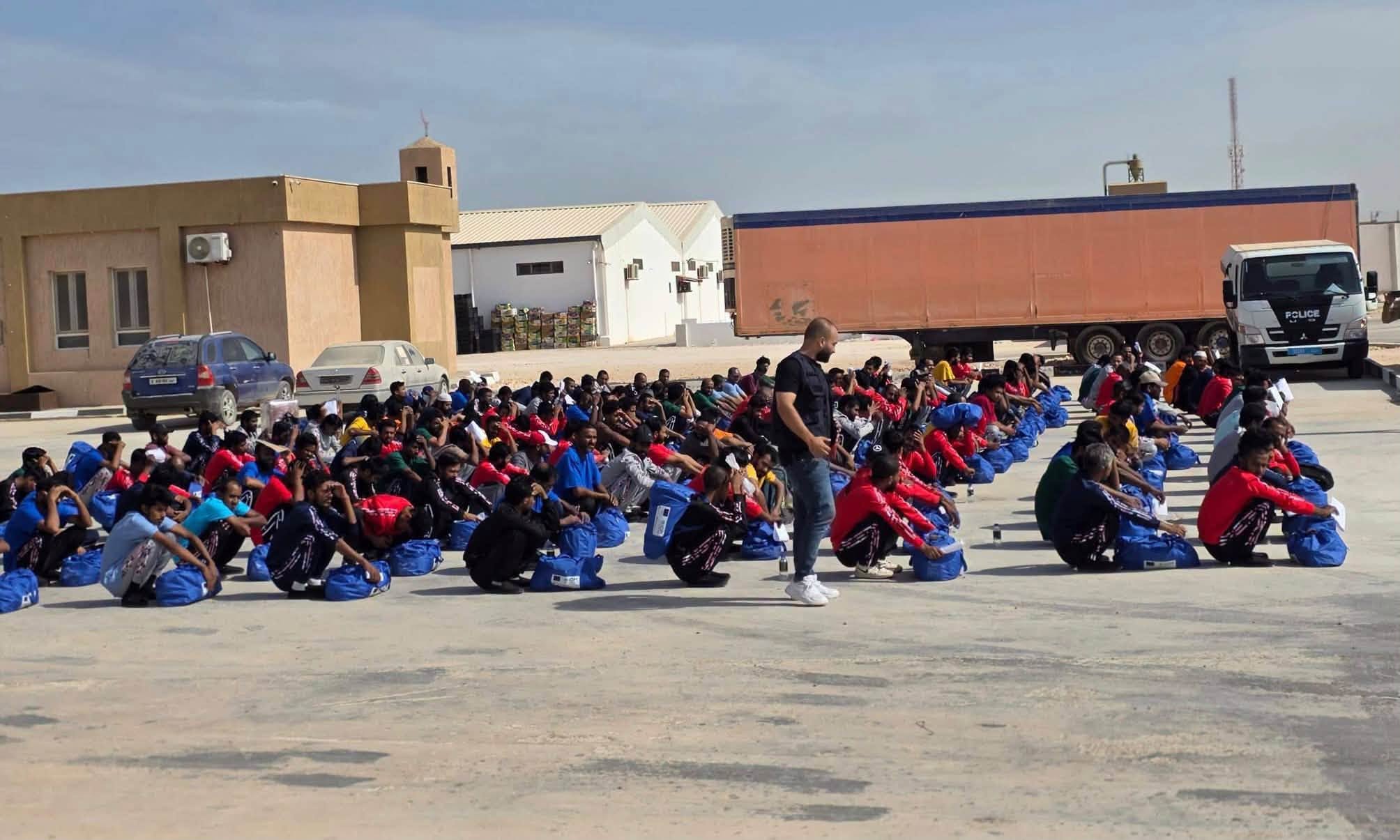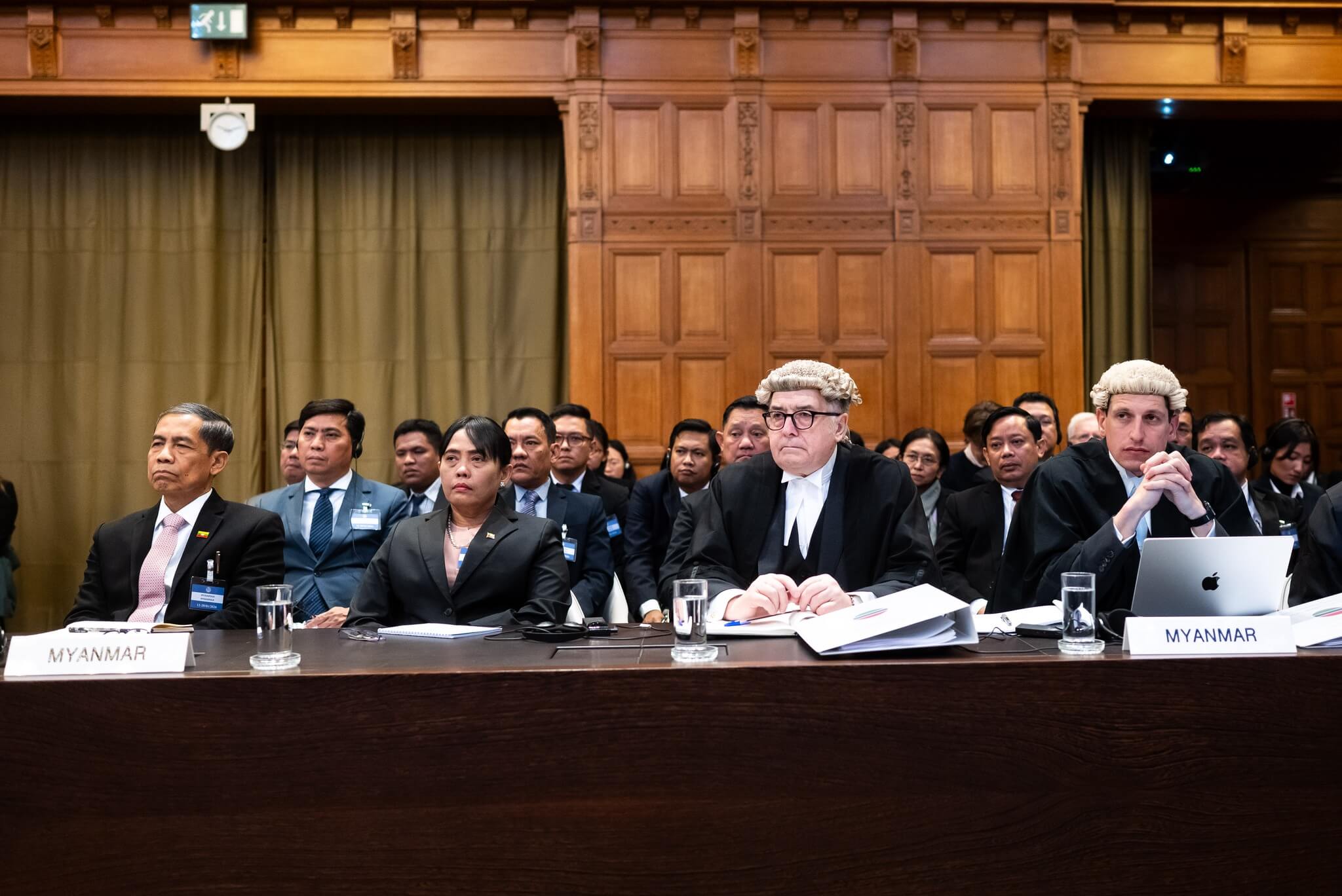
Myanmar’s military junta on Monday sought to cast doubt on the credibility of evidence presented in the Rohingya genocide case at the International Court of Justice (ICJ), arguing that key testimonies submitted by The Gambia lack reliability due to the anonymity of witnesses and their location in refugee camps in Bangladesh.
Representing the junta, British lawyer Christopher Staker told the court that most witness statements come from unidentified individuals living in camps across the border, raising what he described as “serious concerns” about their independence and authenticity. He claimed that anonymity prevents proper verification and opens the possibility that the same individuals may have given similar accounts to multiple organizations.
Staker further argued that The Gambia’s case relies heavily on reports compiled by United Nations agencies and international non-governmental organizations, which, he alleged, repeat unverified refugee testimonies rather than independently established facts. He also asserted that the presence and influence of the Arakan Rohingya Salvation Army (ARSA) inside refugee camps could compromise the neutrality of witness accounts.
However, The Gambia has consistently rejected these claims, explaining that the identities of witnesses were deliberately withheld to protect them from potential reprisals by Myanmar authorities. During earlier hearings, its legal team emphasized that anonymity is a standard safeguard in cases involving mass atrocities and vulnerable populations.
According to Mizzima, international legal experts observing the proceedings noted that courts dealing with genocide and crimes against humanity routinely accept anonymous testimony when credible security risks exist, particularly where patterns of violence are corroborated by multiple independent sources.
The Gambia, backed by several international organizations, has maintained that the evidence was gathered systematically, following internationally recognized investigative standards, and supported by satellite imagery, official documents, and consistent survivor accounts spanning several years.
Myanmar’s legal strategy at this stage appears aimed at undermining the overall evidentiary foundation of the case rather than addressing the substance of the genocide allegations themselves.
The international community is closely watching the proceedings, as the ICJ’s handling of these arguments could have far-reaching implications for accountability in cases involving mass atrocities and displaced populations.
BOB Post