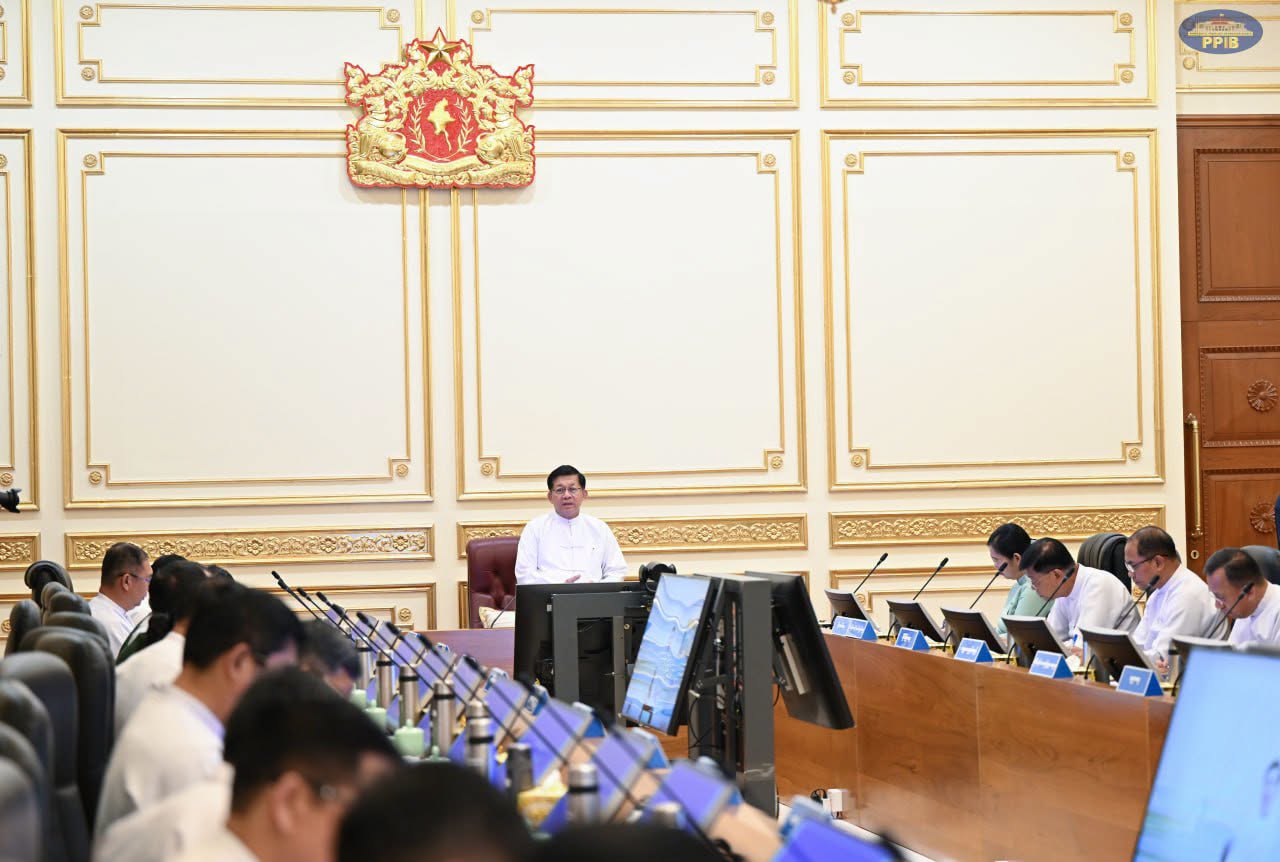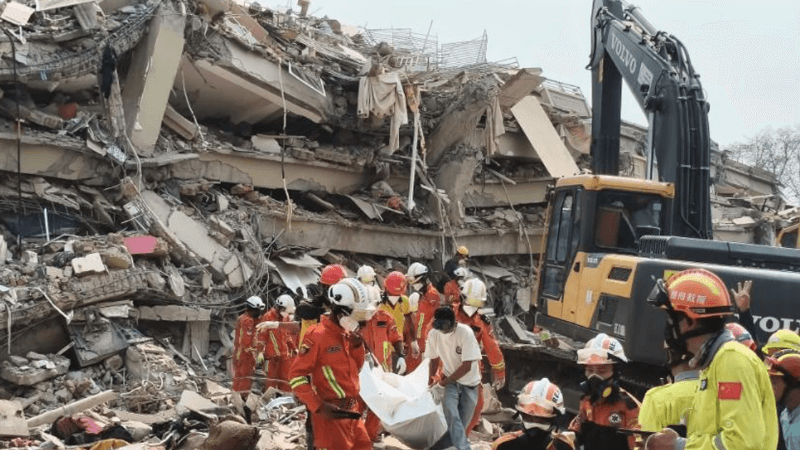
Myanmar’s military junta has announced an extension of the nationwide ceasefire until June 30, state-run Myanmar International TV reported Sunday. The decision comes in the wake of the devastating 7.7-magnitude earthquake that struck the country on March 28, killing approximately 3,800 people and displacing tens of thousands.
The extended truce, effective from June 1, is intended to support ongoing recovery and resettlement efforts, while also aiming to promote a semblance of national peace and stability in the conflict-torn country. The previous ceasefire, which ran from May 6 to May 31, was initially declared to facilitate emergency rescue and humanitarian operations.

In its latest announcement, the military urged ethnic armed organizations and other resistance groups to avoid any actions that could endanger public safety or undermine stability. The junta specifically warned against attacks on infrastructure, civilians, security forces, and military installations, as well as any recruitment or territorial expansion by rebel groups. It further cautioned that any violations would prompt a military response, allegedly to protect civilians.
Despite this temporary truce, Myanmar remains embroiled in widespread conflict, particularly in its northern and border regions. Ethnic armed groups and pro-democracy resistance forces continue to wage battles against the military regime that seized power in a February 2021 coup, overthrowing the elected civilian government.

However, critics argue that the Myanmar military continues to misread the root causes of the crisis. Rather than addressing deep-seated political grievances and the public's demand for democratic governance, the junta’s actions reflect a superficial approach to peace. Analysts and rights advocates note that extending a ceasefire without initiating genuine dialogue, acknowledging war crimes, or committing to inclusive political reform reveals a fundamental disconnect from the country’s actual situation and the desires of its people. The government's failure to recognize its own role in perpetuating instability undermines both its credibility and the prospect of long-term peace.
The ceasefire announcement, while welcomed by some humanitarian actors, remains met with skepticism across much of Myanmar’s population, many of whom continue to suffer under the consequences of civil war, military repression, and economic collapse.
BOB Post