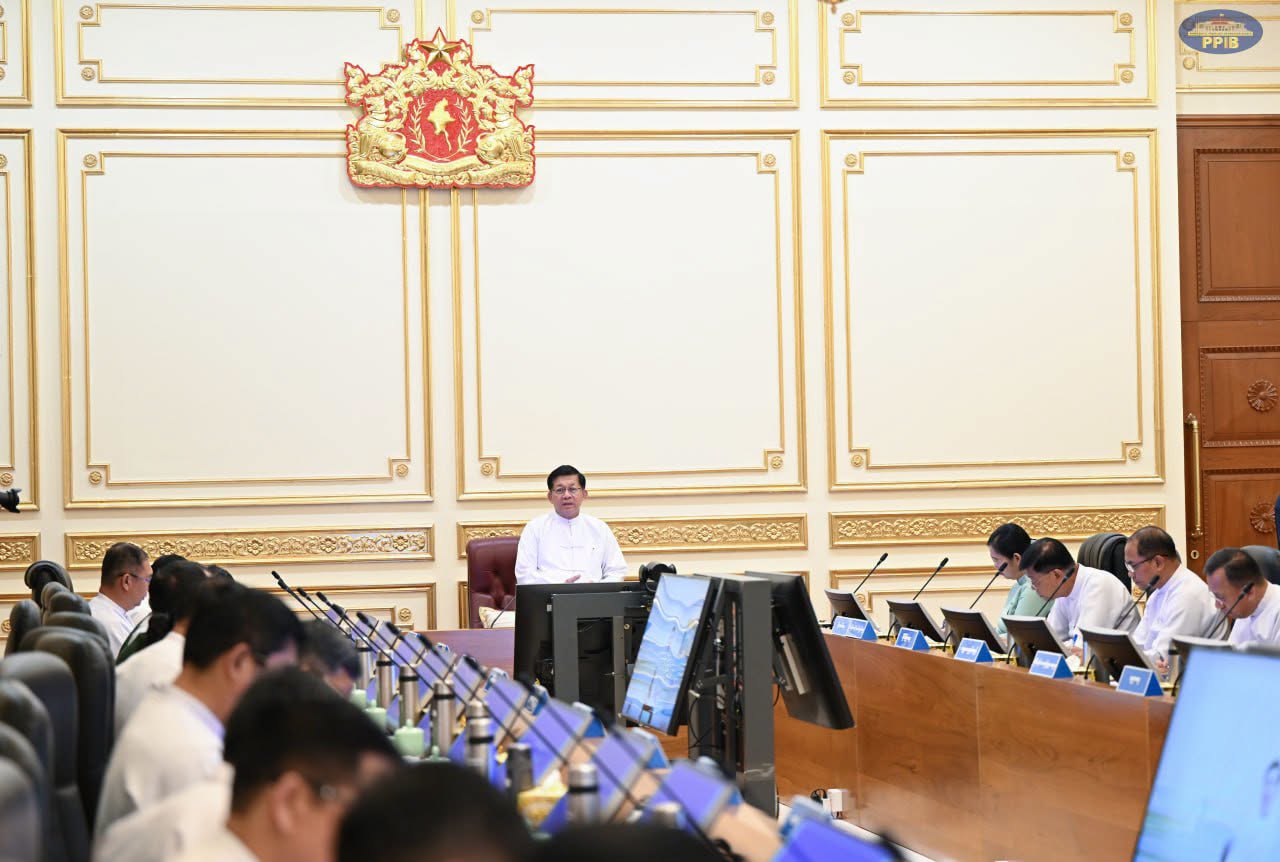
Myanmar’s military junta has declared a new ceasefire lasting until the end of May, aiming to support rebuilding efforts after a powerful earthquake struck the country on March 28. The magnitude-7.7 quake, centered near Mandalay, killed nearly 3,800 people and left tens of thousands without shelter, as the threat of the approaching monsoon season looms.
This new truce comes just days after the expiry of a previous humanitarian ceasefire, which the junta was accused of violating. Independent monitors, including the UK-based Centre for Information Resilience, documented 65 airstrikes during the April ceasefire—many of them in regions severely affected by the earthquake.
In a statement on Tuesday, the junta said the extension aims “to continue the rebuilding and rehabilitation process.” However, the military warned it would continue to defend against attacks from ethnic armed groups and anti-coup fighters.
“We have to protect the towns and people’s lives by using air strikes,” said a military officer in Karen state, speaking anonymously to AFP. “We are sorry that residents have to flee from their towns and villages because of fighting,” he added. “Locals know very well which groups are threatening their lives.”
While some opposition forces have also declared ceasefires to aid earthquake recovery—the worst quake to hit Myanmar's mainland in over a century—residents report that fighting continues in several areas.
In Karen state, where fierce clashes persist along a key trade route to Thailand, civilians remain trapped by ongoing violence. A member of a junta-allied militia admitted that while a ceasefire would benefit the people, some groups were under pressure from pro-democracy forces to continue fighting. “It’s difficult to go against their pressure,” he said.
Displaced resident Phaw Awar, from the besieged town of Kyondoe, shared her fears: “Although we haven’t lost our homes like the quake victims in Mandalay, we still cannot go back home because of fighting. We are afraid of air strikes.”
BOB Post