Developing economies across Asia, Africa and the Middle East are facing mounting economic strain as the ongoing conflict involving the United States, Israel and Iran disrupts global energy supplies and drives up fuel prices. The closure of the Strait of Hormuz and repeated attacks on Gulf oil and gas facilities have sent shockwaves through energy markets, exposing countries heavily reliant on imports.
From Pakistan to Bangladesh and Sri Lanka, policymakers are grappling with rising import bills and limited fiscal space. Many of these economies depend on foreign energy supplies while already struggling with debt, inflation and weak currencies.
In Pakistan, which imports nearly 80 percent of its energy from the Gulf, authorities have introduced emergency conservation measures amid fears that fuel reserves could run out within weeks. The government has shortened the workweek, shifted public employees to remote work and cut fuel allowances. Prime Minister Shehbaz Sharif has temporarily held off on further fuel price hikes, despite earlier increases, in an effort to ease public pressure.

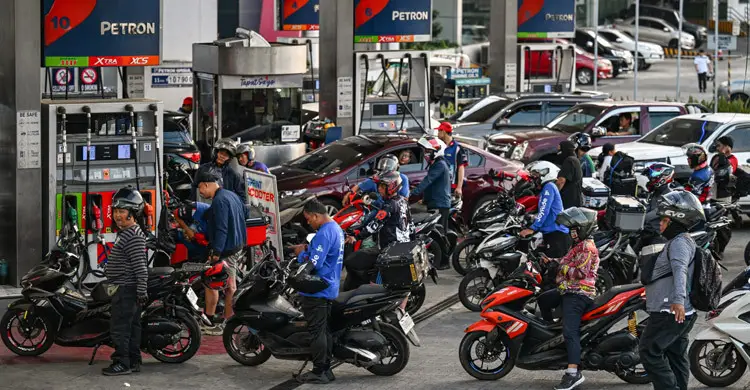
In Bangladesh, where around 95 percent of oil is imported, fuel shortages have already begun to surface in some regions despite rationing efforts. Sri Lanka, still recovering from its 2019 economic collapse, has declared weekly public holidays and introduced fuel pass systems to manage dwindling reserves.
Meanwhile, in Egypt, authorities have imposed energy-saving measures, including early closures for businesses and reduced public lighting. Fuel prices have also been raised by up to 22 percent, as President Abdel Fattah el-Sisi warned of deeper economic risks if subsidies continue to strain state finances.
According to Al Jazeera, countries with high dependence on imported fuel and limited financial buffers such as Pakistan, Bangladesh, Ethiopia and Zambia are among the most vulnerable to the ongoing crisis, facing a combination of inflationary pressure, currency depreciation and fiscal instability.
Economists warn that weakening local currencies against the US dollar are compounding the crisis by making energy imports even more expensive. The impact is expected to be especially severe for low-income households, where fuel and food account for a large share of spending.
Analysts say the ripple effects are likely to intensify in the coming weeks, with rising transport and production costs expected to push up food prices. In countries like Pakistan, where diesel underpins agriculture and logistics, higher fuel costs could significantly drive up staple food prices, including wheat, further squeezing already vulnerable populations.
With no clear end to the conflict in sight, experts caution that prolonged disruption could trigger broader economic instability, deepen poverty and spark social unrest across parts of the Global South.
BOB Post