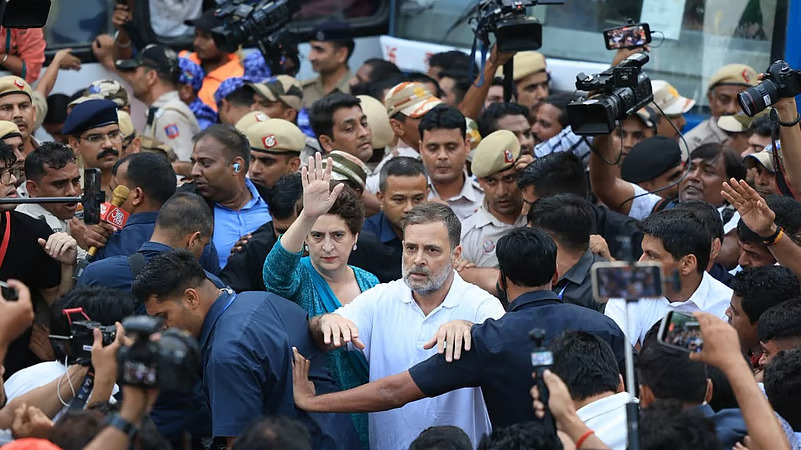
Indian authorities tightened security across the capital on Monday as opposition parties prepared for another demonstration against the country's election chief, following a weekend of mass detentions that sparked allegations of police brutality and restrictions on press freedom.
Thousands of security personnel were deployed across central New Delhi, with metal barricades erected on major roads and several metro stations closed ahead of a march led by Congress leader Rahul Gandhi towards the Supreme Court.
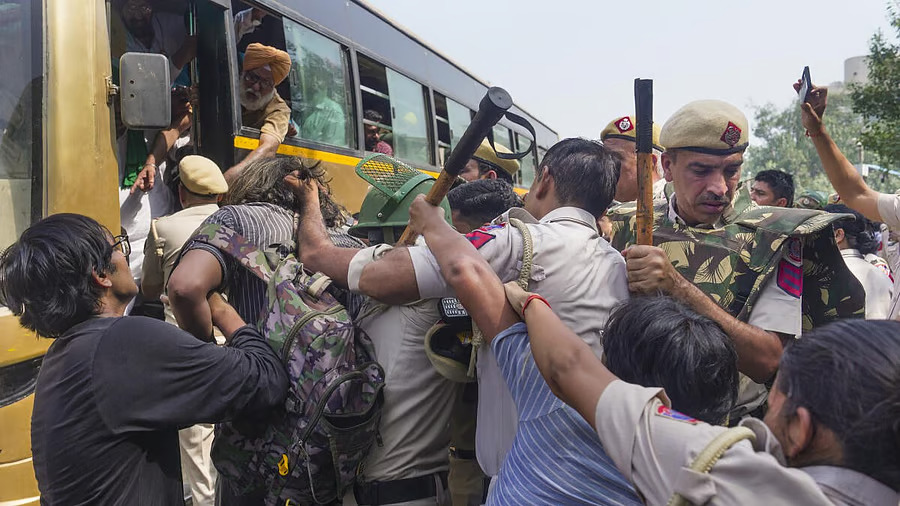
According to AFP, the demonstrations have drawn growing attention to the police response, with opposition politicians and journalists accusing authorities of using excessive force to contain protests over a controversial revision of electoral rolls.
The protests erupted over allegations that changes to voter lists could undermine electoral fairness and benefit Prime Minister Narendra Modi's ruling Bharatiya Janata Party (BJP). The Election Commission of India has rejected accusations of wrongdoing, maintaining that the exercise was intended to remove duplicate, deceased and fraudulent entries.
The scale of the police operation over the weekend has become a major point of contention. Thousands of demonstrators, including members of the youth-led Cockroach Janta Party (CJP) movement, were reportedly detained. Most were later released, including three senior CJP leaders.
Communist Party of India (Marxist) parliamentarian John Brittas alleged that police manhandled, dragged and assaulted him during Sunday's demonstration. He described the incident as an attack not only on an elected representative but also on democratic freedoms and the rule of law.
Journalists covering the protests also reported being detained despite carrying press identification. Reporters Without Borders (RSF) said at least 16 journalists had been detained during the weekend demonstrations, describing the action as unacceptable.
The allegations have raised concerns about the treatment of protesters and media workers as political tensions intensify over the electoral revision. Police did not respond to questions about the detentions and their conduct during a news conference on Sunday.
The dispute centres on a revision that reportedly resulted in more than 133 million names being removed from electoral rolls. Critics argue that the changes could disproportionately affect marginalised communities, particularly Muslims, raising questions about access to voting rights in the world's most populous democracy.
Election officials, however, say the removals are part of efforts to improve the accuracy of voter lists and eliminate invalid entries.
Gandhi urged supporters to join Monday's march, declaring on social media that they had nothing to fear. The CJP leadership has also vowed to continue demonstrations until Chief Election Commissioner Gyanesh Kumar resigns.
The protests have brought together opposition parties, student groups and activists, creating a significant political challenge for Modi's government during its third term. With questions over voter registration now accompanied by allegations of police excesses, the authorities face mounting pressure to demonstrate that electoral integrity and the right to peaceful protest are being protected.
BOB Post