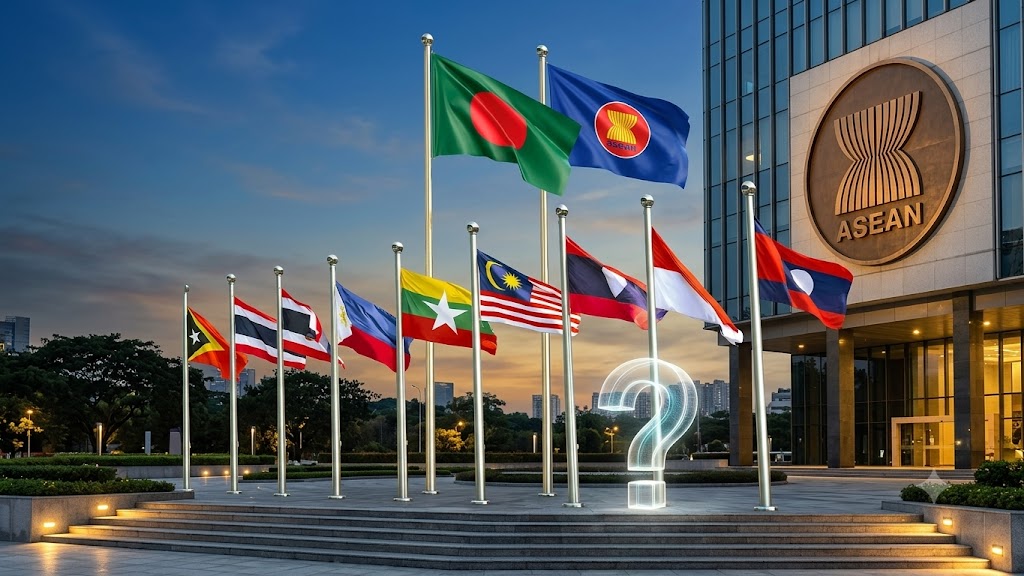
Bangladesh's growing interest in forging closer ties with the Association of Southeast Asian Nations (ASEAN) reflects a broader effort to strengthen its economic and strategic position in the Indo-Pacific. While full membership remains a long-term aspiration, experts say deeper engagement with the regional bloc could unlock significant opportunities for trade, investment, and regional connectivity.
The discussion has gained momentum after Chief Adviser Professor Muhammad Yunus expressed Bangladesh's interest in closer cooperation with ASEAN, including the possibility of future membership. The BNP-led government has also signalled support for enhancing relations with the 10-member grouping.
Analysts, however, note that joining ASEAN is far from straightforward. Under the ASEAN Charter, new members must be located in Southeast Asia, gain unanimous approval from existing members, accept the bloc's charter and demonstrate the capacity to meet its institutional obligations.
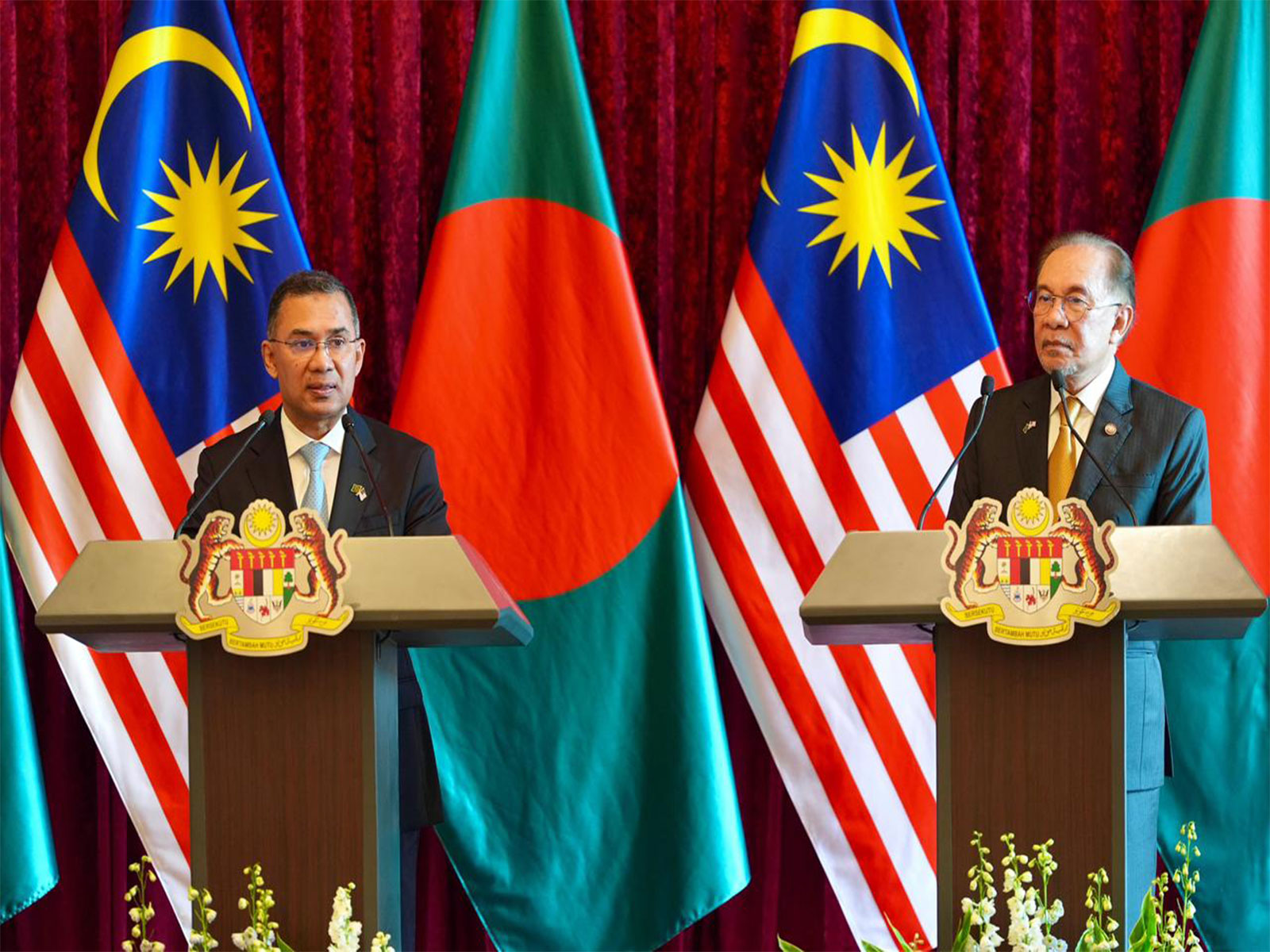
Despite the challenges, Bangladesh offers several strategic advantages. With nearly 180 million people, a fast-growing economy and a strong manufacturing base, the country represents an attractive market and investment destination. Its garment, pharmaceutical, agriculture, shipbuilding and IT sectors complement ASEAN's regional production networks.
Bangladesh's location on the Bay of Bengal also enhances its strategic value. Its ports at Chattogram, Mongla, Payra and Matarbari could become important gateways connecting South Asia and Southeast Asia, supporting regional supply chains and maritime trade.
Closer ties with ASEAN could help Bangladesh diversify export markets, attract more foreign investment, promote technology transfer and integrate into regional value chains. It would also strengthen cooperation in areas such as labour mobility, climate resilience, disaster management and the blue economy.
Bangladesh could further serve as a bridge between South Asia and Southeast Asia at a time when SAARC remains largely inactive and BIMSTEC is still evolving. Its growing importance in the Indo-Pacific makes it an increasingly relevant partner for ASEAN.
However, significant obstacles remain. Bangladesh is internationally recognised as part of South Asia, making geography the biggest legal hurdle to full ASEAN membership. The bloc also operates by consensus, meaning a single member state can delay or block expansion.
Experts also point to concerns over Bangladesh's institutional readiness and regional issues, including the Rohingya crisis and Myanmar's instability, which could complicate discussions on accession.
Given these realities, analysts believe Bangladesh's immediate focus should be on expanding cooperation through sectoral dialogue partnerships, connectivity initiatives and stronger bilateral relations with ASEAN member states. Such gradual engagement would allow Dhaka to build institutional capacity while strengthening political confidence within the bloc.
Although full membership may remain a distant objective, closer integration with ASEAN could significantly enhance Bangladesh's regional influence. By leveraging its strategic location, expanding economy and growing role in the Bay of Bengal, Bangladesh has the potential to emerge as a vital link between South and Southeast Asia, making stronger engagement with ASEAN an increasingly important pillar of its foreign policy.
BOB Post